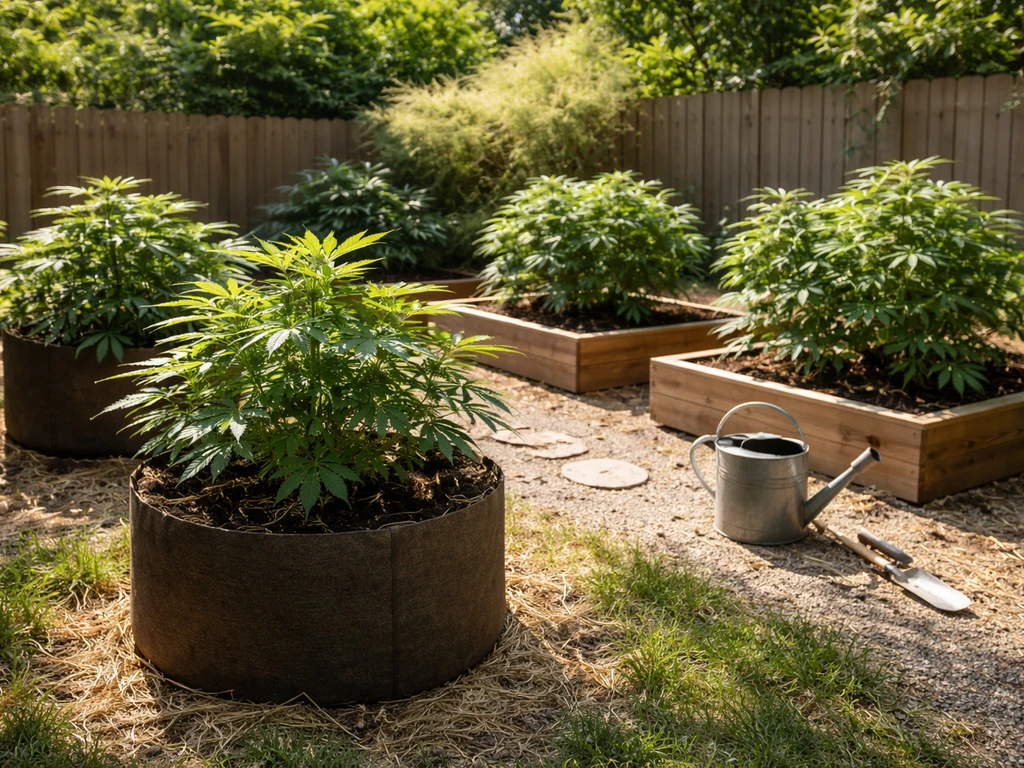
You can grow cannabis outdoors in Oklahoma as a licensed medical marijuana patient, and the state's long, hot summers actually give you a lot to work with. If you want to figure out the same kind of steps for your backyard in Ohio, check out how to grow weed in ohio for Ohio-specific timing and compliance details grow cannabis outdoors in Oklahoma.
How to Grow Weed Outside in Oklahoma: Step-by-Step Guide

Marcus Holbrook
9 Jul 2026
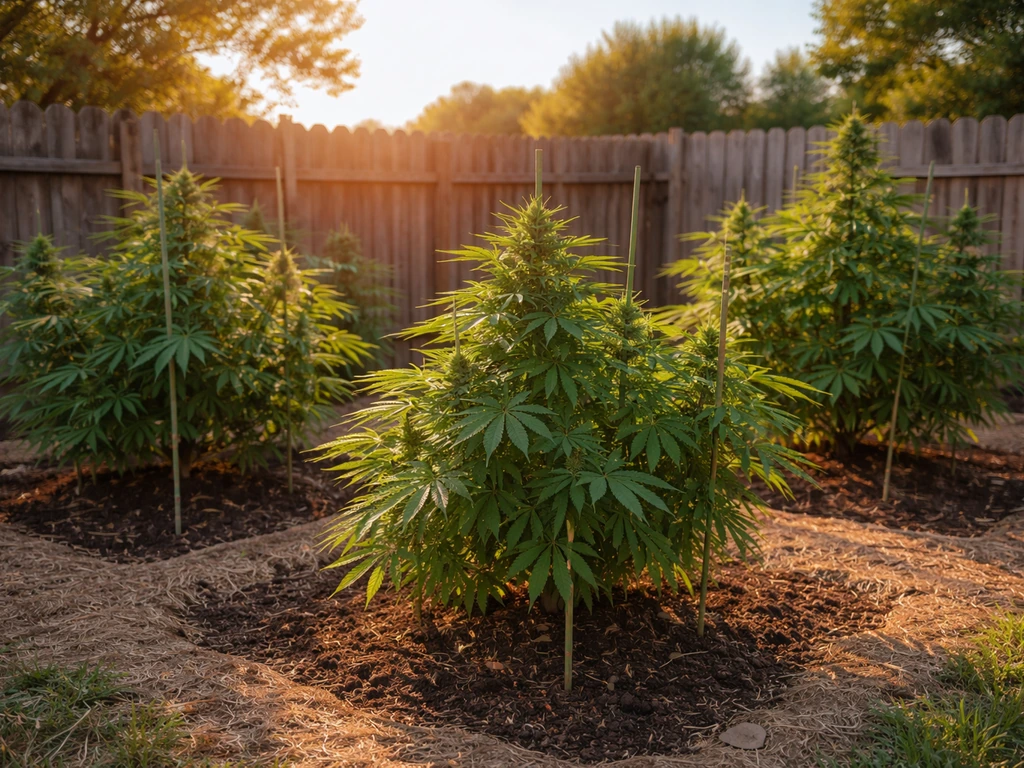
OMMA-licensed patients are legally allowed to cultivate up to six mature plants and six seedlings at their residence. Get your site set up with full sun, good drainage, and privacy screening, start seeds indoors around late March to mid-April, transplant after your last frost (around April 1 for central Oklahoma), and you can expect harvest somewhere between late September and late October depending on your strain.
The key to pulling it off is picking the right strains for Oklahoma's heat, managing water during the dry July-August stretch, and staying ahead of late-season mold as humidity climbs back up in fall.
Oklahoma's legal basics before you plant anything
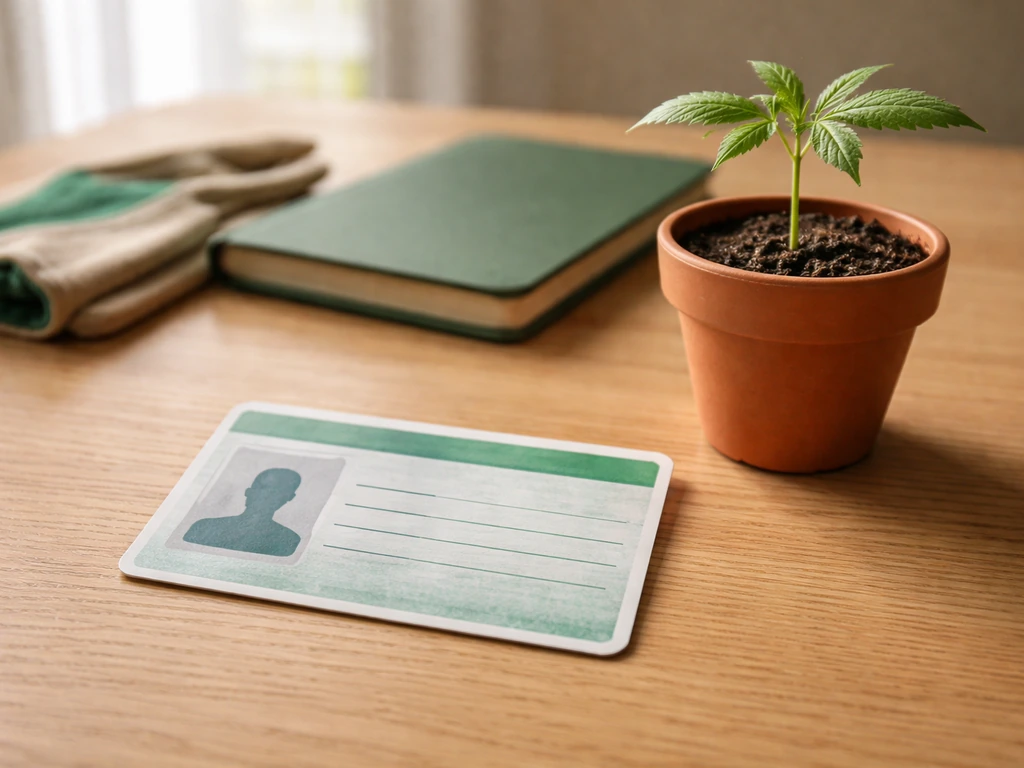
Oklahoma runs its medical marijuana program through the Oklahoma Medical Marijuana Authority (OMMA). To grow at home, you need an active OMMA patient license. With that card, you're legally authorized to possess and cultivate up to six mature plants and six seedlings at your home at any given time. If you're helping a patient who can't grow for themselves, a licensed caregiver can grow for up to five patients, but that's a separate license situation.
The statute that governs where and how home plants can be grown is Oklahoma Title 63, Section 427.12. The core rule you need to know for outdoor growing: your plants cannot be accessible to the general public. That means a locked, enclosed space that isn't visible from a street or neighboring property. Practically speaking, that usually means a privacy fence with a lockable gate, or a dedicated screened enclosure. Community growers have run into issues when plants were visible over a fence line, so take the visibility piece seriously.
A few other compliance habits that are smart to develop: document your plant count (photos with dates work fine), make sure you own or have the property owner's permission to grow there, and keep your OMMA card current. None of this has to be complicated, but skipping it creates unnecessary risk.
Picking strains that actually work in Oklahoma's climate
Oklahoma gives you a long frost-free window, roughly early April through late October in central Oklahoma, with brutal heat in July and August regularly pushing past 100°F, and humidity that swings hard. You want strains that can handle heat stress without seizing up, have some mold resistance for late-season humidity, and finish before your first fall frost (typically late October to early November in central and northern Oklahoma, a little later in the south).
For beginners especially, autoflowering strains are the easiest entry point. They flower based on age rather than day length, so you don't have to time anything around light cycles. Most autoflowers go from seed to harvest in 8 to 10 weeks, and fast options can finish in around 60 days. That means you can run multiple rounds in a season, or start late and still finish before frost. Warm-climate autoflower varieties (think Diesel Automatic or similar) tend to handle Oklahoma summers well.
If you want to grow photoperiod strains (which flower when days shorten to roughly 12 hours of darkness), Oklahoma's natural light schedule works in your favor. Days start shortening after the summer solstice and most outdoor photoperiod plants begin flowering naturally in late July to early August. Just make sure your chosen strain has a flowering time that lets it finish before late October frost risk arrives. Indica-dominant or indica-hybrid strains typically finish faster than pure sativas and hold up better in humid fall conditions.
| Type | Best for | Typical seed-to-harvest | Oklahoma advantage | Watch out for |
|---|---|---|---|---|
| Autoflower | Beginners, multiple runs, late starts | 8–10 weeks from seed | Finish fast, flexible timing | Smaller yields per plant |
| Photoperiod indica/hybrid | Intermediate growers, bigger yields | Flower 8–10 weeks after flip | Natural light triggers flower in late July/Aug | Must finish before October frosts |
| Photoperiod sativa | Experienced growers only | Flower 10–16+ weeks | Long season helps but may run close to frost | Risk of late harvest in northern OK |
Regardless of type, look for strains with noted heat tolerance and mold or mildew resistance in the description. Strains bred from Afghani, Kush, or Northern European genetics often handle Oklahoma's humidity swings better than equatorial sativa genetics. If this is your first grow, pick one autoflower variety and one photoperiod indica hybrid, keep it simple, and learn what works on your specific site.
Timing your grow: a month-by-month Oklahoma calendar
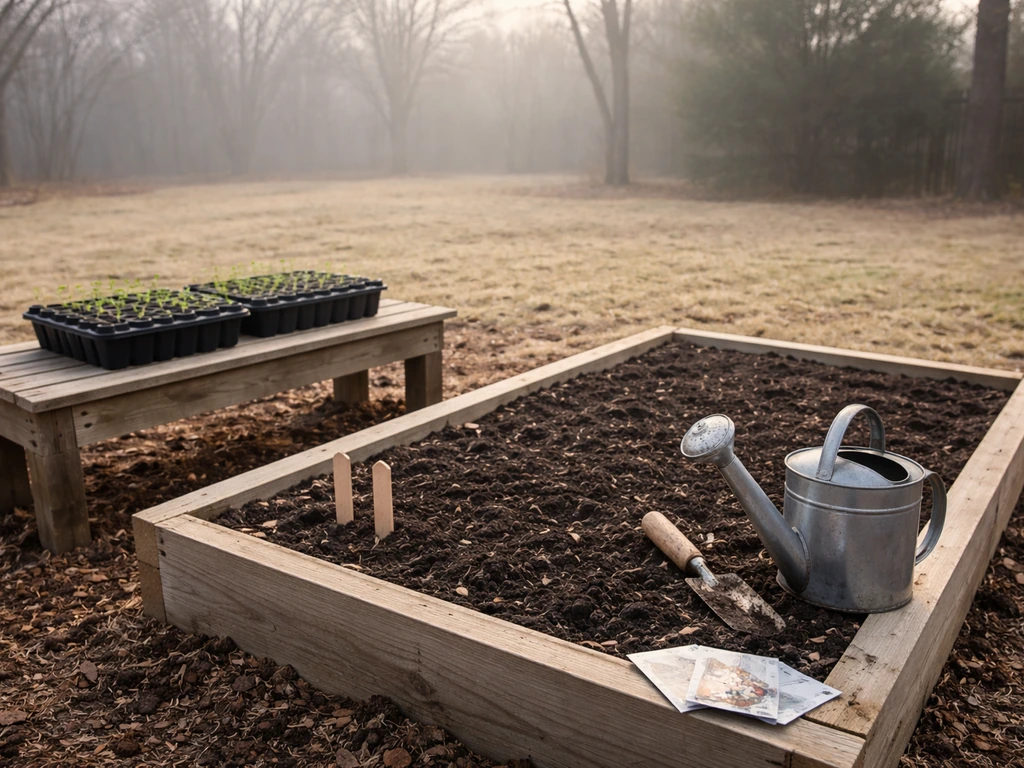
Oklahoma City's average last spring frost is around April 1, with Tulsa running similarly. Northern Oklahoma and the panhandle can see frosts a week or two later, so check your specific area. For the fall, central and southern Oklahoma typically see first frosts in late October to early November, while the panhandle can get frost as early as early to mid-October. Plan your harvest window around those bookends.
| Month | What to do |
|---|---|
| Late March | Start seeds indoors under lights (4–6 weeks before transplant). Germinate in paper towels or directly in small containers. |
| Early to mid-April | Harden off seedlings outdoors for 7–10 days. Transplant outdoors after last frost risk has passed. |
| May–June | Vegetative growth phase. Water regularly, start feeding with nitrogen-heavy nutrients, train plants if desired. |
| July–August | Peak summer heat. Water daily if needed, watch for heat stress, ease up on nitrogen, begin transition nutrients. |
| Late July–August | Photoperiod plants begin flowering naturally. Autoflowers may already be in mid-flower depending on start date. |
| September | Flowering continues. Increase phosphorus and potassium. Scout aggressively for pests and early mold. |
| Late September–October | Harvest window. Check trichomes daily as harvest approaches. Finish before first frost threat. |
| October (if needed) | Emergency harvest if frost is forecast. Dry and cure indoors. |
If you're starting today in early July, you're past the window for a standard photoperiod grow this season, but autoflowers are still very much on the table. A fast autoflower started in early July can finish in late September with plenty of time before frost. Get your seeds ordered and get going. If you are new to outdoor cultivation, start with a proven seed-starting approach and plan your schedule around your local frost dates.
Setting up your outdoor site
Sun exposure and placement
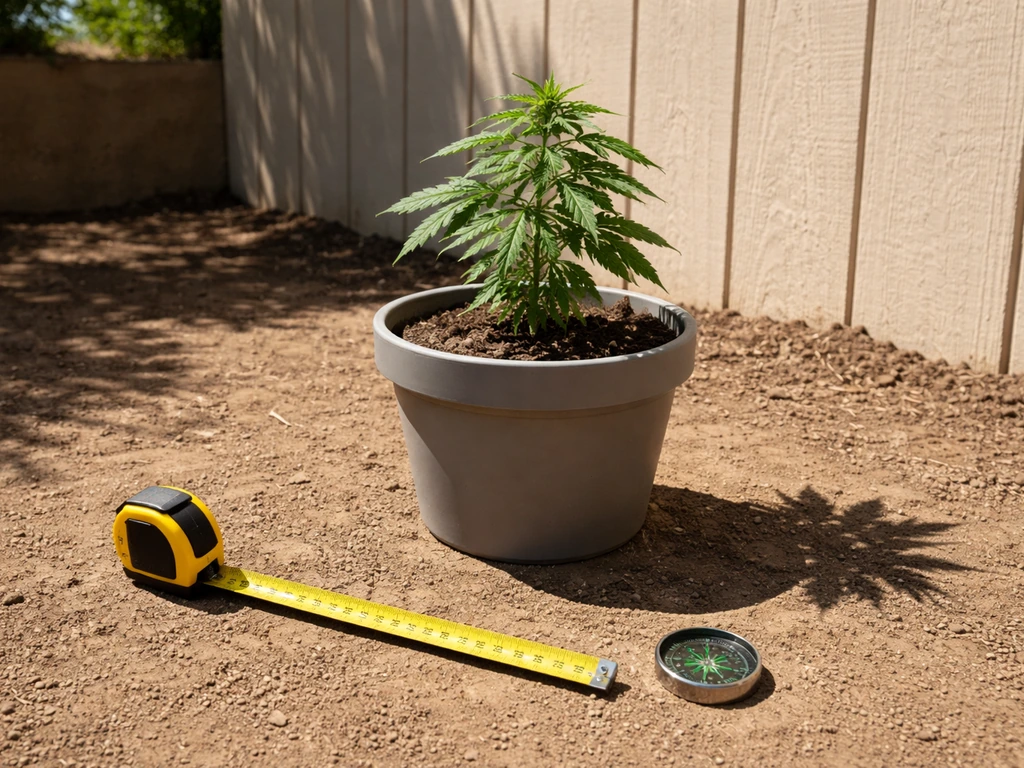
Cannabis wants at least 6 hours of direct sun per day, and more is better during the vegetative stage. If you're in Virginia, aim for a similar amount of sun and placement that protects your plants from unwanted visibility grow weed in virginia. In Oklahoma, a south-facing spot with no shade from trees or structures between 9 a.m. and 5 p.m. is ideal. Morning sun is especially valuable because it dries overnight dew off leaves quickly, which cuts down mold risk. Avoid low-lying spots where cold air settles and water pools.
Soil, drainage, and containers vs. in-ground
Oklahoma's native soils range from red clay-heavy in the central areas to sandier soils in the west. Clay soils hold moisture too long and compact around roots. If you're planting in-ground, amend heavily with compost, perlite, and aged organic matter to open up drainage and aeration. Aim for a slightly acidic to neutral pH, around 6.0 to 7.0, using a basic soil pH meter.
Containers are worth serious consideration for Oklahoma outdoor grows. They give you direct control over soil quality, let you move plants to cover during severe storms or extreme heat events, and make the entire operation easier to secure for compliance purposes. Five-gallon containers work for autoflowers; for photoperiod plants that will veg for 8 to 12 weeks before flowering, 10- to 15-gallon pots give roots more room and produce noticeably bigger plants. Fill them with a quality cannabis-specific potting mix or make your own with coco coir, perlite (about 30%), and a compost-based soil blend.
Privacy, security, and fencing
Your enclosure needs to keep plants out of public view and inaccessible to people who don't live there. If you are searching for how to grow weed outdoors in NY, your main focus should still be secure placement so plants cannot be accessed or seen from public areas. A solid wood or vinyl privacy fence at least 6 feet tall, with a lockable gate, is the most common and practical solution.
Green privacy mesh stretched on a sturdy frame also works if you need a lower-cost option. Bamboo screens attached to existing chain-link fencing can add visual privacy without a full fence rebuild. Whatever you use, walk around the perimeter of your property and check sightlines from the street, neighboring windows, and any elevated vantage points before your plants get tall.
Watering and feeding across the grow
Watering schedule and basics
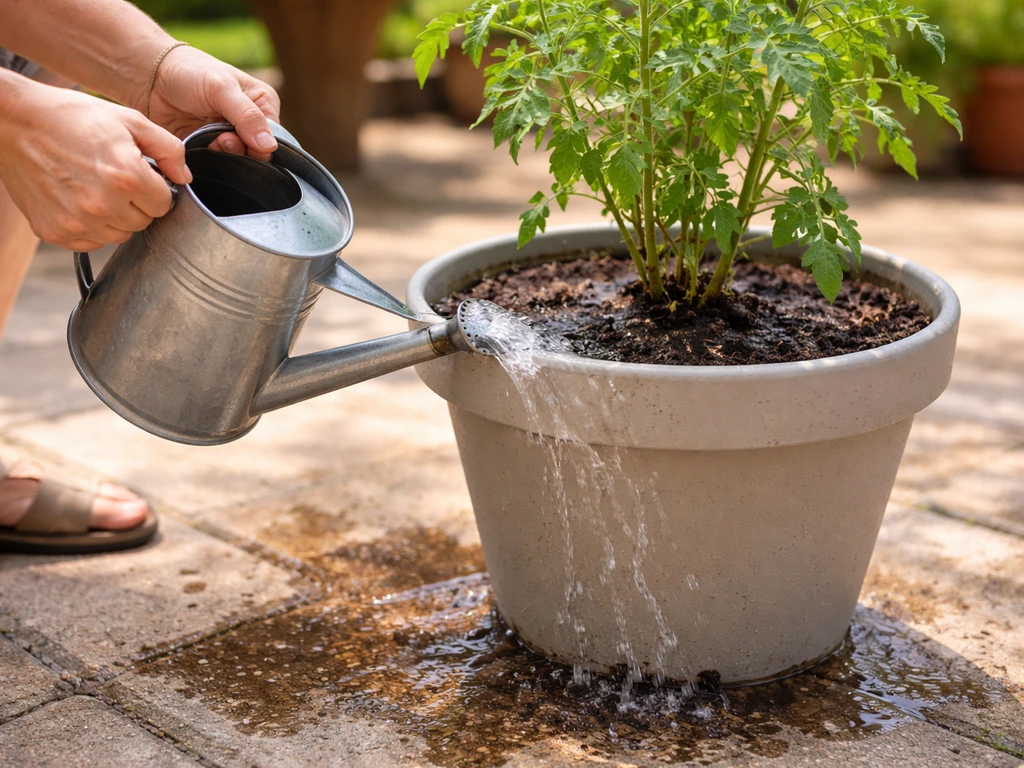
Oklahoma's mid-summer heat is no joke. During the July-August dry period, outdoor plants in containers may need water every single day. The rule of thumb is to water when the top inch or two of soil is dry. Lift the container, if it feels light, water it. If it still feels heavy, wait. Overwatering is one of the most common beginner mistakes, and soggy roots in hot weather invite rot and nutrient lockout. As a baseline once plants are past the seedling stage, every two to three days works in mild weather, but in Oklahoma's peak summer heat, daily watering is completely normal.
Water deeply each time until you get runoff from the bottom of the container. This encourages roots to grow downward. Shallow, frequent sips encourage surface roots that stress out fast in heat. Water in the early morning if possible so foliage dries quickly in the sun. Avoid watering late in the evening, which leaves moisture on leaves overnight and creates a mold-friendly environment.
Feeding plan by growth stage
During the vegetative stage, cannabis is a nitrogen-hungry plant. A balanced or nitrogen-forward liquid fertilizer (something like a 3-1-2 or 4-2-3 NPK ratio) fed at half to full label strength every one to two weeks gets plants growing fast. If you're using a quality amended potting mix, you may not need to feed at all for the first four to six weeks.
Once flowering starts, back off nitrogen and shift toward higher phosphorus and potassium to support bud development. A bloom-focused nutrient formula (lower first number, higher second and third) fed weekly through mid-flower works well. In the last two weeks before harvest, most growers flush with plain pH-adjusted water to let plants use up stored nutrients. You don't need an expensive 10-part nutrient line to do this well, a simple two-part veg/bloom formula from any garden supplier handles it.
| Growth stage | Duration (approx.) | Watering frequency | Nutrient focus |
|---|---|---|---|
| Seedling | Weeks 1–3 | Every 2–3 days, small amounts | None or very dilute |
| Vegetative | Weeks 4–8 (photoperiod) / Weeks 3–5 (auto) | Every 1–2 days depending on heat | High nitrogen, moderate P and K |
| Early flower | Weeks 1–3 of flower | Every 1–2 days | Reduce nitrogen, increase P and K |
| Mid to late flower | Weeks 4–8 of flower | Every 1–2 days, watch for rain overwatering | High P and K, trace minerals |
| Final 1–2 weeks | Pre-harvest flush | Plain pH-adjusted water only | None (flush) |
Oklahoma-specific pest, mold, and weather risks
Pests to watch for
Oklahoma outdoor grows face a pretty standard Midwest pest roster: aphids, spider mites (especially in hot dry periods), caterpillars (including budworms that bore into developing flowers), stink bugs, and fungus gnats in the soil. The most important pest management habit is weekly scouting. Walk your plants, flip leaves over, look at stem junctions, and check bud sites. Catching a small aphid colony or a single caterpillar early is a 5-minute fix. Finding them two weeks later when they've multiplied is a much bigger problem.
For most soft-bodied pests like aphids and spider mites, neem oil spray or insecticidal soap applied in the early morning or evening works well. Keep neem oil off open flowers as much as possible, it can affect flavor and attract mold. Caterpillars and budworms respond well to Bacillus thuringiensis (BT), a biological insecticide that's safe and highly effective. Stink bugs are harder to control chemically; physical exclusion with fine mesh netting around plants is the most practical approach.
Powdery mildew and gray mold (Botrytis)
blank" rel="noopener noreferrer">Powdery mildew looks like someone dusted white powder on your leaves, usually starting on the lower leaves and working upward. It thrives when there's high humidity with poor airflow, which can happen during Oklahoma's spring rains and again in September. Scout the undersides and surfaces of lower leaves weekly. Caught early, potassium bicarbonate or diluted hydrogen peroxide sprays knock it back. Let it go and it'll spread fast across the whole plant.
Gray mold (Botrytis) is the scarier one, especially for flowering plants in late September when Oklahoma nights cool down and humidity climbs. Botrytis needs sustained high humidity (above 90% RH) and continuous moisture on plant surfaces to take hold, so your best defenses are: water in the morning not the evening, don't let water sit on buds or leaves overnight, space plants so air moves between them, and remove any dead or dying leaf material promptly. If you see gray fuzzy patches inside a bud, remove and bag that entire cola immediately and improve airflow for the rest of the plant.
Heat stress and Oklahoma's summer weather
When temps push past 95°F for extended stretches, cannabis plants show heat stress as leaf edges curling up (like a canoe shape), bleaching near the tops, and slowing growth. Moving container plants into partial afternoon shade during the worst heat of July and August can help significantly. Keeping roots cool by wrapping containers in reflective material or double-potting helps too. Plants bred for warm climates handle this better than others, which is another reason strain selection matters for Oklahoma.
Severe storms, hail, and wind
Oklahoma is squall-line and tornado country. The NWS Norman tornado data for the Oklahoma City area helps inform how often these storms occur, which is useful for operational sheltering and shelter contingencies [Oklahoma is squall-line and tornado country. ](https://www. weather.
gov/oun/tornadodata-okc). Spring and early summer bring the highest risk of supercells capable of baseball-size hail and straight-line winds over 70 mph. The practical answer if you're growing in containers: have a plan to move plants inside or into a garage on short notice when storm watches are issued. If plants are in-ground or too large to move, build a simple hoop structure over them with PVC and shade cloth or row cover fabric that you can deploy quickly.
Hail will shred leaves and snap branches, and even if plants survive, open wounds invite mold and disease. After any severe storm, inspect every plant carefully, remove broken material, and watch closely for mold development over the following week.
Late-season cold snap risk
Most of central and southern Oklahoma is safe until late October, but a freak early frost can happen in mid-October in northern areas or the panhandle. Keep an eye on extended forecasts as harvest approaches. If a frost is coming and your plants aren't ready, move containers inside for the night, or cover in-ground plants with frost cloth. A light frost (28–32°F for a few hours) won't necessarily destroy a flowering plant, but it will stress it and damage outer leaves, and repeated cold stress accelerates decline.
Knowing when to harvest and how to cure properly
Reading harvest readiness
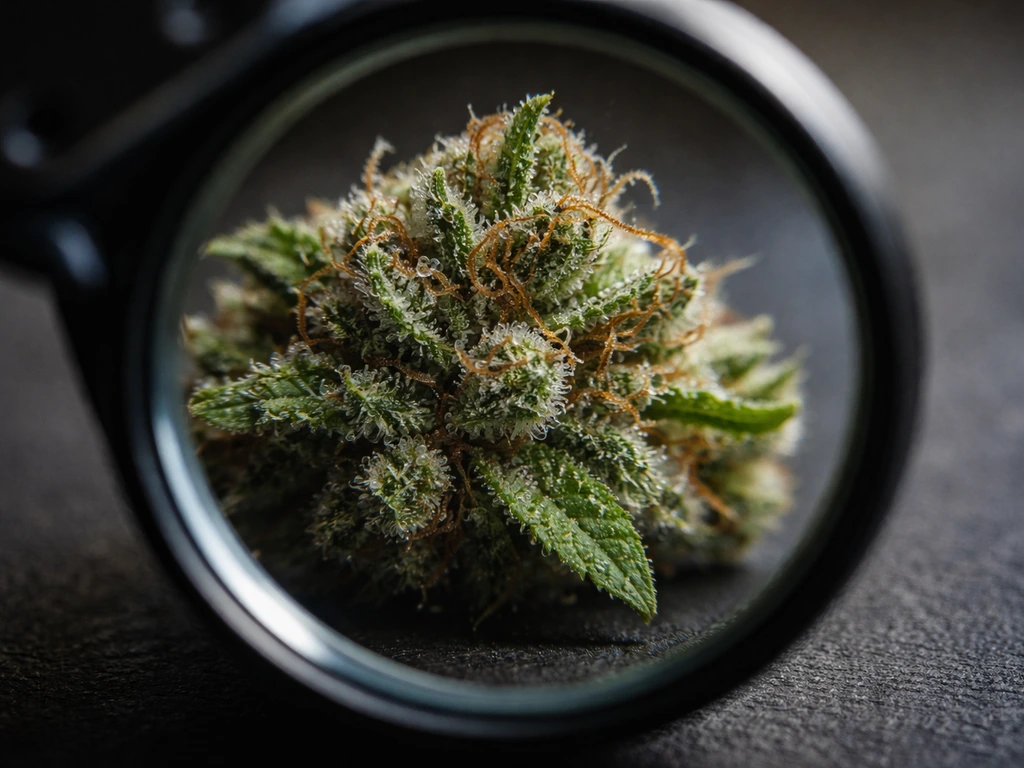
The most reliable harvest indicator is trichome color, checked with a jeweler's loupe (30–60x) or a digital microscope. Trichomes go through clear, cloudy/milky, and amber stages. Early harvest (mostly clear trichomes) gives an energetic, sometimes anxious effect with lower potency. The peak window for most home growers is when trichomes are predominantly milky/cloudy with a few (10–30%) turning amber, that's when THC content is at its highest and effects are most balanced. Waiting until more than 50% are amber shifts the effect toward heavier, more sedating.
Secondary indicators to combine with trichome checks: pistils (the small hairs on buds) should be mostly orange or red rather than white, and the buds should feel dense and stop putting on new white pistils. Breeder-stated flower times are a useful starting point, but treat them as estimates, Oklahoma's heat can accelerate or stress plants in ways that shift actual timing by a week or two.
Drying your harvest
After harvest, hang branches or lay buds on drying racks in a dark room with good airflow. Target 60 to 68°F and 55 to 65% relative humidity. A small fan for indirect air circulation helps, but don't point it directly at buds. Drying takes about 7 to 14 days. You're done when the smaller stems snap instead of bend, and the outside of buds feels dry to the touch. Don't rush this, fast drying at high temps destroys terpenes and degrades quality significantly.
Curing in jars
Once dry, trim your buds and pack them loosely into mason jars to about 75% full. For the first two weeks, open the jars once or twice daily for 10 to 15 minutes (this is called burping) to let moisture and gases escape and fresh air in. You're aiming for 58 to 62% relative humidity inside the jars during the cure. A small hygrometer in each jar makes this easy to monitor. If RH drops below 58%, add a small Boveda or Integra Boost humidity pack. If it stays above 65%, leave the lids off longer during burping sessions.
After two weeks, you can reduce burping to every few days. Once the RH is stable in the 58 to 62% range and the smell has shifted from grassy or hay-like to the characteristic strain aroma, the cure is working. A minimum two-week cure makes a noticeable difference; four to eight weeks makes a significant one. This step is where a lot of home growers leave quality on the table by rushing.
Your outdoor grow checklist for Oklahoma
Here's what to sort out before you plant, in order of priority: If you want a California-focused outdoor plan, apply the same core steps but adjust your timing, strain choice, and local security setup for how your area grows how to grow weed outside in ca.
- Get your OMMA patient license active and verify you're within the 6 mature plants / 6 seedlings limit
- Confirm you have property owner permission if you don't own the property
- Set up a secure, non-visible grow area with a lockable enclosure before plants go outside
- Choose your strains: at least one autoflower for flexibility, one indica-dominant photoperiod if you want a bigger harvest
- Order seeds from a reputable source and start germination indoors under lights 4–6 weeks before your transplant date
- Prepare your containers (10–15 gallon for photoperiod, 5 gallon for autos) with quality amended soil mix
- Source a basic pH meter, a simple two-part veg/bloom nutrient formula, and a jeweler's loupe for harvest timing
- Plan your storm contingency: know where you're moving containers if a severe weather watch is issued
- Set up a drying area indoors (dark, controlled temp and humidity) before harvest arrives so you're not scrambling
Oklahoma is genuinely one of the more forgiving states for outdoor cannabis growing once you get the legal side sorted. The season is long, the sun is intense, and with the right strain choices and a bit of weather awareness, a beginner can pull a solid harvest on their first outdoor attempt. If you're interested in how other states handle outdoor grows differently, the approaches for growing outdoors in Virginia or California offer useful comparison points since climate and legal frameworks vary quite a bit from what you're dealing with in Oklahoma.
FAQ
Can I grow outdoors in Oklahoma if I have a medical card but my plants are visible from my neighbor’s property or street?
Visibility matters for compliance. Even if the plants are behind a fence, they can still be treated as accessible or observable if sightlines from nearby public or private spaces exist. Do a walk around at the times your plants will be tallest (midday and late afternoon), and tighten the enclosure or height/position of screening so there are no obvious gaps or overhangs
What’s the safest way to verify my location meets the “not accessible to the general public” rule?
Treat it like a practical access test. Confirm that an uninvolved person cannot reach plants without going through a locked barrier that prevents casual access, for example a locked gate, secured enclosure door, or a fully bounded screened area. Keep photos showing the gate locked and the setup from street and neighbor vantage points for your own records
Are seedlings counted separately from mature plants in Oklahoma’s limit?
Yes, the common OMMA limit is based on plant categories at the residence, and seedlings are typically tracked as seedlings rather than being ignored. To stay conservative, count seedlings separately and avoid pushing totals when plants transition stages, since documentation and interpretation matter if anyone questions your plant count
Can I legally grow if I’m renting a house in Oklahoma?
Usually you should only proceed if you have permission from the property owner or landlord, and it’s smart to keep that permission in writing. If you change rentals mid-season, update your plan so the plants remain in the permitted, secured location under your current residence
If it’s too late for a photoperiod start this season, is it worth trying anyway in Oklahoma?
Sometimes, but it’s high risk for timing and maturity. If you are past the typical photoperiod planting window, autoflowers are generally the better bet because they finish based on age. If you do try photoperiod late, confirm your chosen strain’s flowering length allows full completion before late-October frost risk
How do I choose between autoflower and photoperiod for Oklahoma’s July heat and September humidity?
Use autoflowers when you want a shorter, more predictable finish before late-season weather, especially if you are starting mid-summer. Use photoperiod plants only when you can commit to the full veg period and you can select a strain that flowers and completes early enough, plus you plan airflow and mold prevention for the humidity climb in fall
How much sun is enough if I don’t have a perfect south-facing spot?
At least 6 hours of direct sun is a practical minimum, more is better, and morning sun is particularly valuable because it helps dry dew and reduces leaf-mildew risk. If you can’t get full sun for most of the day, consider container placement and relocating during the worst heat, rather than forcing an underlit grow
Is there a difference in soil prep for Oklahoma clay versus sandier ground?
Yes. Clay-heavy soil tends to hold water and can compact around roots, increasing rot risk during hot spells with irregular watering. For in-ground planting, amend with compost plus materials that improve aeration (like perlite) and prioritize drainage, then re-check pH with a meter before planting
Should I grow in-ground or containers in Oklahoma?
Containers are often easier for beginners in Oklahoma because you control soil quality, drainage, and security, and you can move plants for hail, extreme heat, or unexpected cold snaps. In-ground can work well if drainage is excellent and you can manage soil water carefully, but containers usually reduce variables
How do I prevent overwatering in Oklahoma summer heat, especially with containers?
Use a “top inch to two inches” dry check rather than a fixed schedule. In extreme July and August heat, daily watering can be normal, but the key is soil dryness, not the calendar. Always water deeply to runoff, then let excess drain rather than keeping soil constantly wet
What’s the best way to water to reduce mold during humid periods?
Water early in the day so leaves and buds dry before evening. Avoid late-evening watering because moisture can remain on plant surfaces overnight. Also avoid getting water into buds, and promptly remove dead or dying leaves that trap moisture
Which nutrients are most important during Oklahoma’s vegetative stage, and how do I avoid nutrient mistakes?
During vegetative growth, nitrogen-forward feeding supports leafy growth, but too much can also stress plants. If your potting mix is already well amended, you may not need to feed immediately. Once flowering begins, shift away from nitrogen and toward bloom-style ratios to support buds
Is flushing really necessary before harvest in Oklahoma?
It’s optional, but if you do it, do it carefully. The goal is to stop adding nutrients and use plain pH-adjusted water in the last two weeks, not to keep plants dry or create extreme stress. Watch plant condition and avoid overcorrecting
What’s the fastest way to control aphids and spider mites if I catch them early?
Start with weekly scouting and treat at the first signs. For soft-bodied pests, insecticidal soap or neem oil applied in early morning or evening can reduce populations. Be cautious with neem near open flowers, since residues can cause quality issues and increase mold risk
How do I handle budworms and caterpillars in late summer?
Use biological control like Bacillus thuringiensis (BT) and apply it early enough that larvae are exposed before they bore deep. The biggest difference-maker is timing, when you find them is more important than which product you use
What’s the most important airflow strategy to prevent powdery mildew and gray mold?
Spacing and airflow. Make sure plants are not jammed together, remove lower dead leaves, and prevent water from sitting on plant material overnight. If you see gray fuzzy patches in buds, remove affected colas immediately and improve airflow for the remaining plants
What should I do if temperatures stay above 95°F for days in Oklahoma?
Look for heat stress cues (curling leaf edges, slowed growth) and act quickly. For container plants, partial afternoon shade can help, and reflective wrapping or double-potting can keep roots cooler. Also avoid overwatering as a reaction, focus on proper drainage and morning watering
How should I prepare for Oklahoma hail or tornado warnings while growing outdoors?
Plan for rapid protection. For containers, decide in advance where you can move plants (garage or indoors) when a watch is issued. For in-ground plants, consider a deployable hoop and cover so you can cover quickly. After any severe storm, inspect for broken tissue, then watch closely for mold over the next week
What’s the most reliable harvest check if I’m unsure about trichome color?
Check trichomes with magnification and combine it with pistils and bud firmness. Peak most often occurs when trichomes are mostly milky/cloudy with a minority turning amber, and pistils are mostly orange or red while buds stop producing many new white hairs
If I harvest early to avoid frost, can I still get good results?
Yes, but expect a change in effect and potency. Harvesting with mostly clear trichomes often yields a more energetic or anxious profile for many people. To reduce regret, target a balanced window (mostly milky with some amber) if you can, and use frost covers for a short extension when possible
How do I prevent mold during drying in Oklahoma’s variable humidity?
Control temperature and relative humidity in your drying space. Aim for roughly 60 to 68°F and 55 to 65% RH, use indirect airflow, and avoid drying too fast. Don’t skip the “small stems snap” test, that physical indicator helps prevent over-drying or case-hardening
What should I do if jar curing RH drops below your target?
If cured jars fall below about 58%, add a humidity pack and re-balance. Also make sure you’re not underfilling jars, since too little mass can swing RH faster. Track RH with a hygrometer per batch rather than guessing
What are common beginner mistakes to avoid for an Oklahoma outdoor grow?
The big ones are poor site drainage, incorrect soil setup in clay, underestimating July-August watering needs, weak enclosure that allows visibility or access, and skipping weekly pest scouting. Also avoid delaying mold prevention until you see obvious damage, because powdery mildew and Botrytis can escalate quickly
Do I need to plan a multi-round schedule, or just one crop?
A multi-round approach can work in Oklahoma, especially with autoflowers since many finish in about 8 to 10 weeks. If you want overlap, stagger starts so the later harvests line up with fall weather and you are not forcing a photoperiod plant to finish during the worst humidity swing
Can I move container plants to manage both heat and visibility requirements?
Yes, containers can be a major advantage. You can relocate within your permitted, secured space and keep plants consistently protected from public access and unwanted sightlines. Keep movement consistent with your security setup so the enclosure still blocks visibility during peak growth
Should I remove dead leaves immediately in Oklahoma?
Yes. Removing dying leaves reduces places where moisture and pathogens can develop, especially during humid September conditions. It also improves airflow around lower buds, which helps limit powdery mildew spread
Next Article
How to Grow Weed in Virginia: Step-by-Step Guide
Step-by-step guide to grow cannabis in Virginia, covering legal checks, indoor or outdoor setup, care, pests, and harves