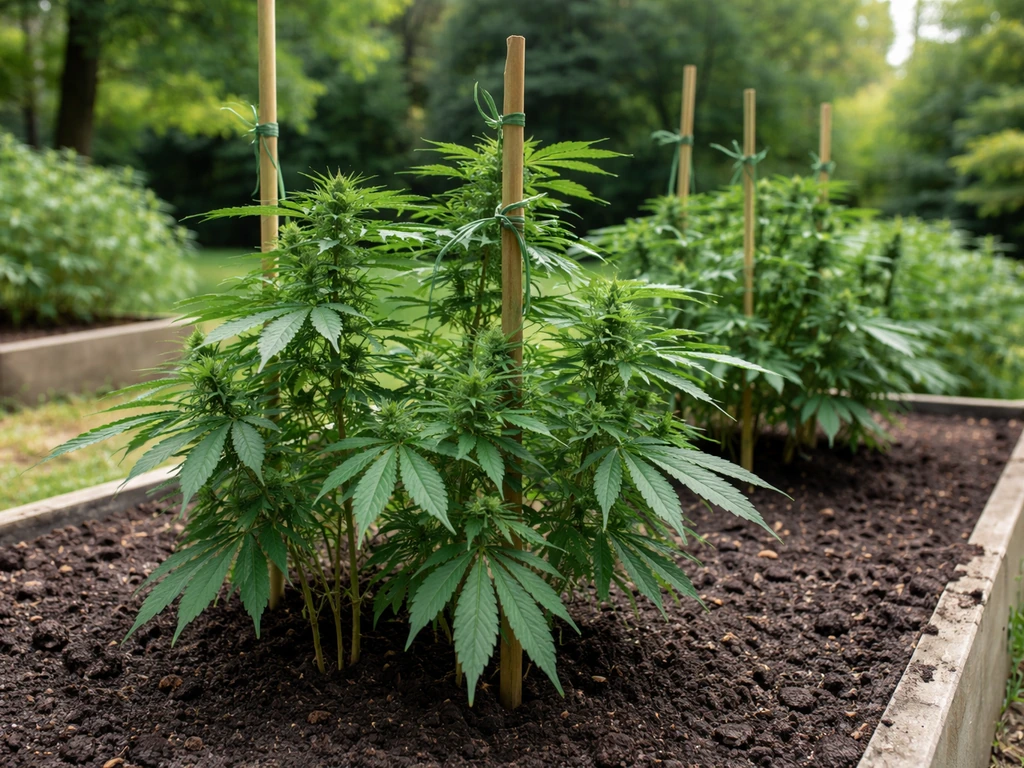
Virginia adults 21 and older can legally grow up to four cannabis plants per household for personal use. VDACS also provides an official “Know Before You Grow” hemp guide, which describes that industrial hemp grower registration is required for legal hemp production in Virginia blank" rel="noopener noreferrer">Virginia Department of Agriculture. Virginia’s Code of Virginia (Title 4.1, Chapter 11) sets out blank" rel="noopener noreferrer">penalties for exceeding the allowed number of home cultivation plants, including civil penalties for having more than four but no more than 10 plants and criminal penalties for higher counts. That limit has been in place since July 1, 2021, and it applies to the entire household, not per person. If you keep it at four plants, grow at your primary residence, and follow a few common-sense rules around visibility and access, you are operating within state law. The rest of this guide walks you through everything from picking your setup to drying your final harvest.
How to Grow Weed in Virginia: Step-by-Step Guide
Virginia legality basics and your compliance checklist
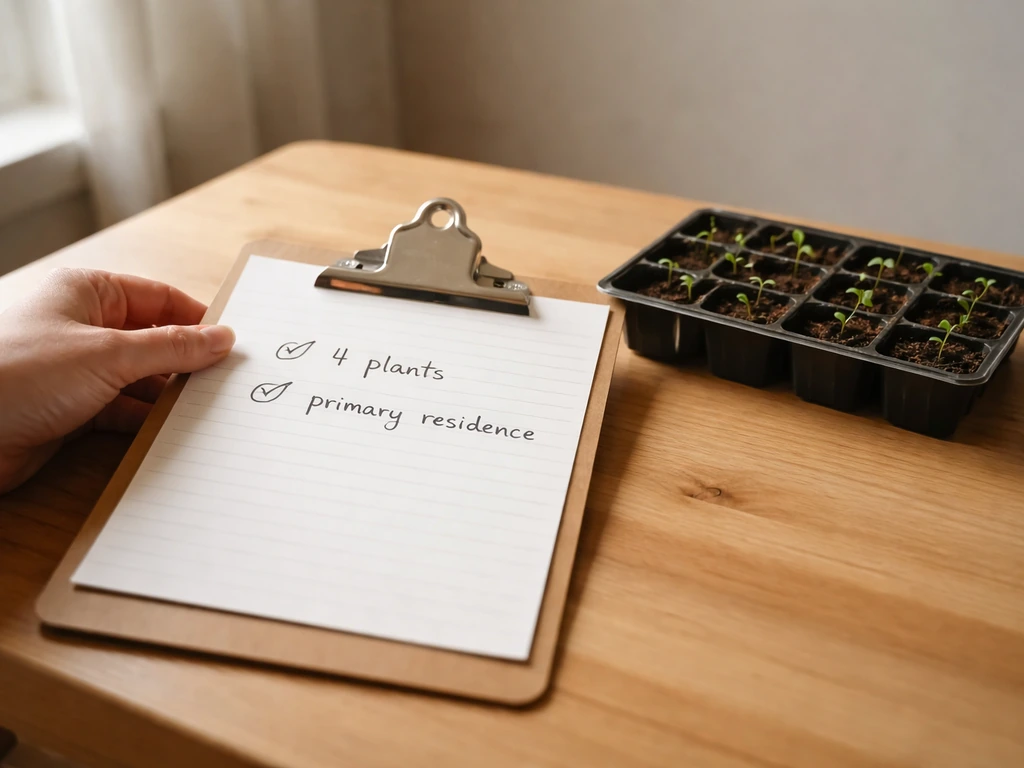
Before you germinate a single seed, get the legal framework locked in. Virginia's Cannabis Control Authority (CCA) is the official source for home cultivation rules, and the key points are straightforward.
- Maximum four plants per household (not per adult), at your primary residence only.
- Plants must not be visible from any public road, sidewalk, or public space.
- No one under 21 can have access to the plants or any plant material.
- Keep harvested cannabis stored securely, out of reach of children and pets.
- Exceeding four but staying under eleven plants is a civil penalty; going higher gets into criminal territory under Title 4.1 of the Code of Virginia.
- Hemp is a completely separate category regulated by VDACS under a different registration system — home marijuana cultivation rules do not apply to hemp, and vice versa.
- Many growers in Virginia tag each plant with their name and address; while the statute does not explicitly mandate a specific tag format, it is a widely recommended practice to avoid confusion if law enforcement ever asks questions.
- If you rent, check your lease. State law allows cultivation, but a landlord can prohibit it contractually.
The CCA publishes official guidance on safe and compliant home cultivation. Reading that document takes about fifteen minutes and is worth doing before you spend money on equipment. When in doubt, the CCA website is your go-to source, not Reddit or Facebook groups.
Choosing your setup: indoor, outdoor, or hydroponic
Virginia's climate is genuinely good for outdoor growing in most of the state, but your personal situation, privacy needs, and how much control you want will drive this decision more than anything else. If you are planning a similar approach for Oklahoma, focus on local frost timing, sun exposure, and humidity management so your outdoor plants finish strong outdoor growing. Here is how the three main paths stack up.
| Factor | Outdoor | Indoor | Hydroponic (Indoor) |
|---|---|---|---|
| Startup cost | Low ($50–$200) | Medium ($300–$800+) | High ($500–$1,500+) |
| Ongoing cost | Very low | Moderate (electricity) | Moderate–high (nutrients, electricity) |
| Yield potential | High (up to 1–3 lbs per plant) | Moderate (2–6 oz per plant under 300–600W) | High, faster cycles |
| Environmental control | None — weather dependent | Full control | Full control |
| Privacy and visibility compliance | Harder — requires screening | Easy — plants stay indoors | Easy — plants stay indoors |
| Learning curve | Low for basics | Moderate | High |
| Hurricane/storm risk (June–Nov) | Yes — relevant in VA | No | No |
Outdoor growing in Virginia
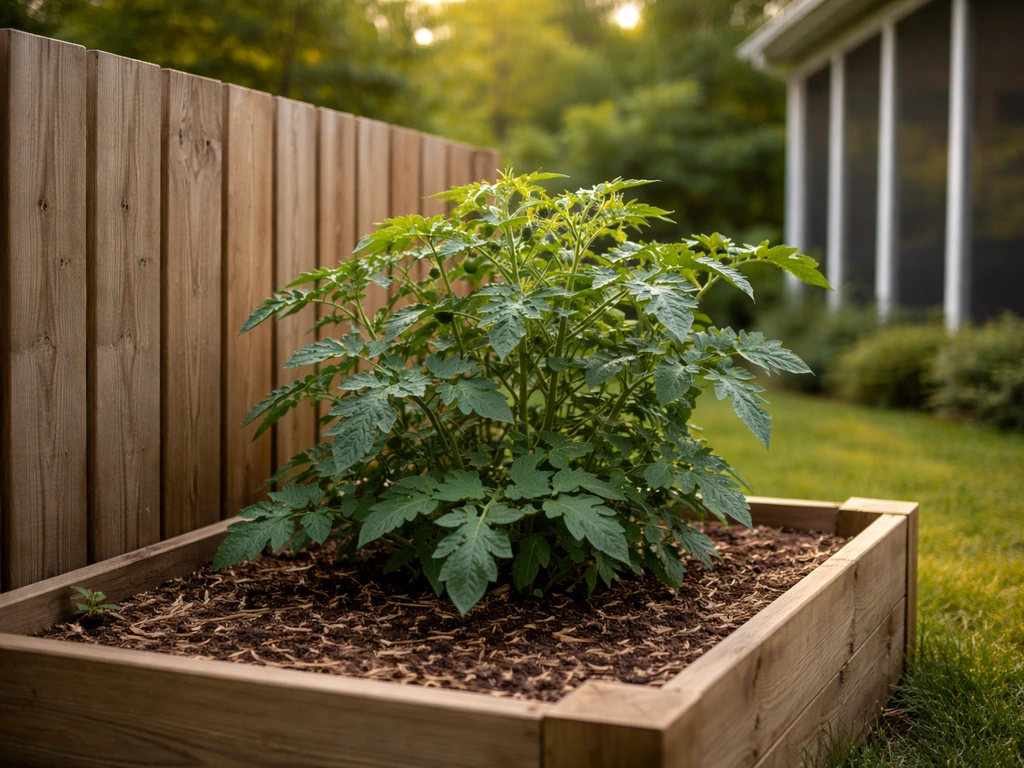
Virginia spans USDA hardiness zones 5b through 8a, so your frost dates vary significantly depending on where you live. If you are also looking at California-style timelines and want the outdoor details step by step, see how to grow weed outside in ca for an adjacent climate-focused approach. In the Shenandoah Valley and mountain regions (Zone 6a/6b), expect a last spring frost between late April and mid-May, and a first fall frost as early as mid-October. In Northern Virginia and the Piedmont (Zone 7a), last frost is typically mid-to-late April. Down in Hampton Roads and Virginia Beach (Zone 7b/8a), you can sometimes get plants out in early April and harvest well into November, with first frosts averaging around November 11–20. The bigger risk for outdoor growers in coastal and southeastern Virginia is the Atlantic hurricane season, which runs June 1 through November 30. Late-season storms between September and October can arrive right when your plants are in peak flower, which is the worst possible time for heavy rain and wind damage.
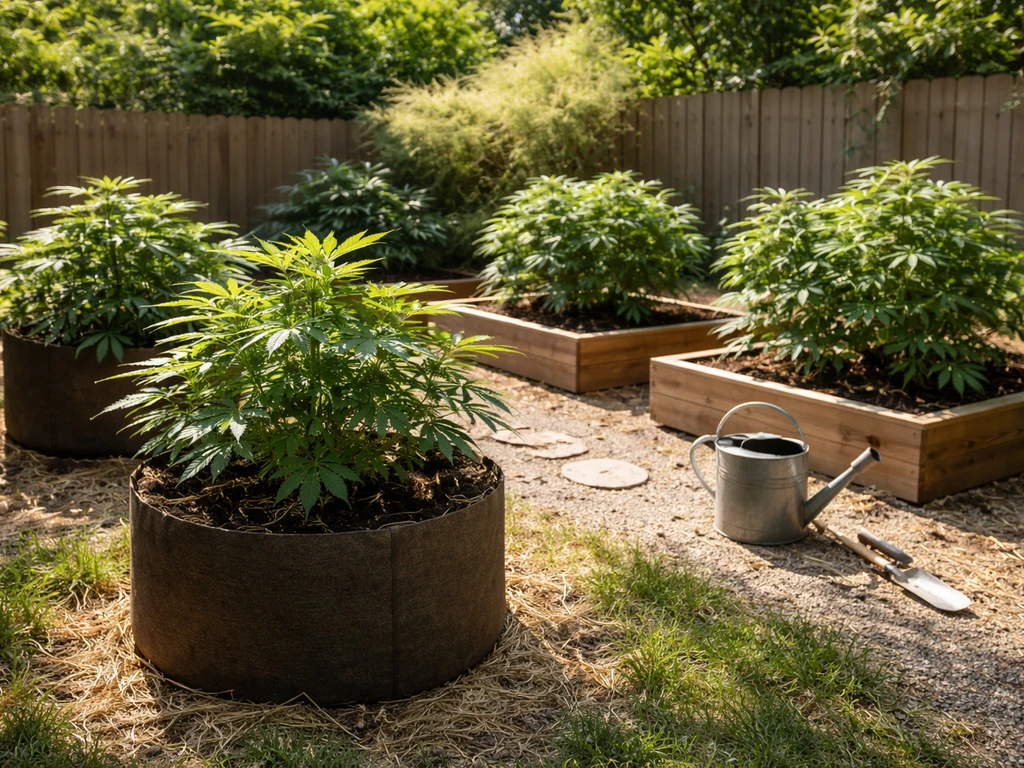
The visibility rule is the trickiest part of outdoor growing in Virginia. You cannot have plants visible from a public road or walkway. A solid fence, privacy screen, or a tucked-back garden location all work. Plan this before you plant, not after. If you are wondering how to grow weed outside in VA, focus on privacy, frost timing, and managing moisture during late summer and fall.
Indoor growing in Virginia
Indoor gives you year-round growing, full privacy, and complete control over your environment. A 2x4 or 4x4 grow tent is the easiest setup for beginners. Pair it with an LED light in the 300–600W equivalent range, a small inline fan and carbon filter for odor control (the CCA specifically mentions avoiding odor problems), and a basic temperature and humidity meter. The CCA also flags overcrowding as a mold risk, so resist the urge to stuff four plants into a 2x2 tent.
Hydroponic as a third path
Hydroponics means growing plants in a nutrient-rich water solution rather than soil. Systems like deep water culture (DWC) or coco coir with hand-watering sit at the accessible end of the hydro spectrum and can deliver faster vegetative growth and bigger yields than soil indoors. The tradeoff is that pH management becomes more critical (keep your solution between 5.5 and 6.2), and mistakes happen faster since there is no soil buffer. If you are a complete beginner, I would start with soil and move to hydro on your second or third grow once you understand how your plants respond to feeding. That said, it is a totally valid first choice if you are willing to read up on nutrient solutions before you start.
Picking strains that actually work in Virginia
Strain selection is where a lot of beginners make their first mistake. Not every strain that works in California or Colorado will finish on time outdoors in Virginia, particularly in the northern and western parts of the state with shorter growing seasons.
For outdoor growers
You want strains that finish flowering before your first fall frost, which means looking for varieties with a 8–10 week flower time that can wrap up by early to mid-October in most of Virginia. Indica-dominant or indica-leaning hybrid strains tend to finish faster than pure sativas. Autoflowering varieties are an especially smart pick for Virginia outdoor grows because they flower based on age rather than light cycle, finishing in 70–90 days total from seed regardless of daylight hours. If you are specifically trying to grow cannabis seeds outside, timing your germination and transplant around your local frost dates is key grow weed seeds outside. You can start autos indoors in late March and transplant out after last frost for a July–August harvest, then start a second round that finishes in October. In mountain regions, autoflowers can be the difference between a successful harvest and plants caught by frost mid-flower.
- Autoflowering strains (e.g., Auto Northern Lights, Auto Blueberry, Auto Zkittlez): finish in 70–90 days total, frost-risk-forgiving, ideal for Zone 6 and 7 growers.
- Fast-finishing photoperiod indicas (e.g., Northern Lights, Critical Mass, OG Kush): 8–9 week flower times, good for most of Virginia.
- Mold-resistant varieties (e.g., Durban Poison, Blue Dream, Trainwreck): important for humid coastal and Piedmont regions prone to late-season moisture.
- Avoid long-flowering pure sativas (12–14 week flower) unless you are in Zone 8a/8b near Virginia Beach with mild falls.
For indoor growers
Indoors, season does not matter, so you have much more freedom. That said, beginners do well to start with forgiving, fast-flowering strains. Strains labeled as good for beginners, with 8–9 week flower times and medium stretch, will reward you with fewer headaches. Avoid very high-stretch sativa-dominant plants on your first indoor grow, they get huge, are harder to manage under lights, and take longer to finish.
Seeds vs. clones
Seeds are easier to source, travel well, and start disease-free. Feminized seeds eliminate the need to identify and remove male plants (males do not produce bud and will pollinate your females if left in). Clones are cuttings from a known mother plant and let you skip germination, but they need to come from a healthy source and can carry pests or diseases. For most Virginia home growers starting fresh, feminized seeds from a reputable bank are the simplest beginning.
Germination and getting through early veg
Germination is one of the easiest parts if you do not overthink it. The paper towel method works reliably: dampen two paper towels, place your seeds between them, fold and put them on a plate, and cover with another plate or a bowl to keep moisture in. Keep them in a warm spot around 70–80°F. Most seeds will crack and show a small taproot within 24–72 hours. Once the taproot is about a quarter inch long, plant it taproot-down about a quarter inch deep in moist (not soaking wet) seedling soil or a seedling plug.
For the first two weeks, your seedling needs: a light source (a small CFL, T5, or LED on 18 hours on / 6 hours off for indoor; or a warm windowsill as a temporary measure), temperatures between 70–80°F, relative humidity around 60–70%, and very light watering. Do not fertilize seedlings for the first 10–14 days if you are using a nutrient-rich seedling mix. Overwatering is the number one seedling killer. The soil should feel like a wrung-out sponge, not swampy.
- Soak seeds in plain water for 12–18 hours before paper towel method to speed germination.
- Use a seedling heat mat to keep the germination zone consistently at 75–80°F.
- Transplant to a small container (2–4 inch pot or solo cup with drainage holes) once the taproot is visible.
- Water in a small circle around the stem rather than flooding the whole container — this encourages roots to reach outward.
- When the first set of 5-finger leaves appears, your plant has entered true vegetative growth.
Vegetative growth: environment, light, training, and feeding
Veg is when your plant builds the structure that will eventually hold your buds. How long this phase lasts depends on your method: indoors, photoperiod plants stay in veg as long as you keep them on an 18/6 light schedule (18 hours light, 6 hours dark); outdoors, they veg naturally through the long days of late spring and summer and begin flowering when days shorten past roughly 14 hours of light, typically around the summer solstice in Virginia.
Environmental targets during veg
- Temperature: 70–85°F during lights-on, no lower than 60°F during lights-off.
- Relative humidity: 50–70% during veg.
- Air circulation: a small oscillating fan on low, not blasting directly at small plants.
- CO2: ambient levels are fine for home grows; sealed room CO2 supplementation is an advanced step you do not need yet.
- Light height: follow your specific LED or HID manufacturer's recommendations — as a general rule, most LEDs sit 18–24 inches above canopy during veg.
Training techniques worth learning early
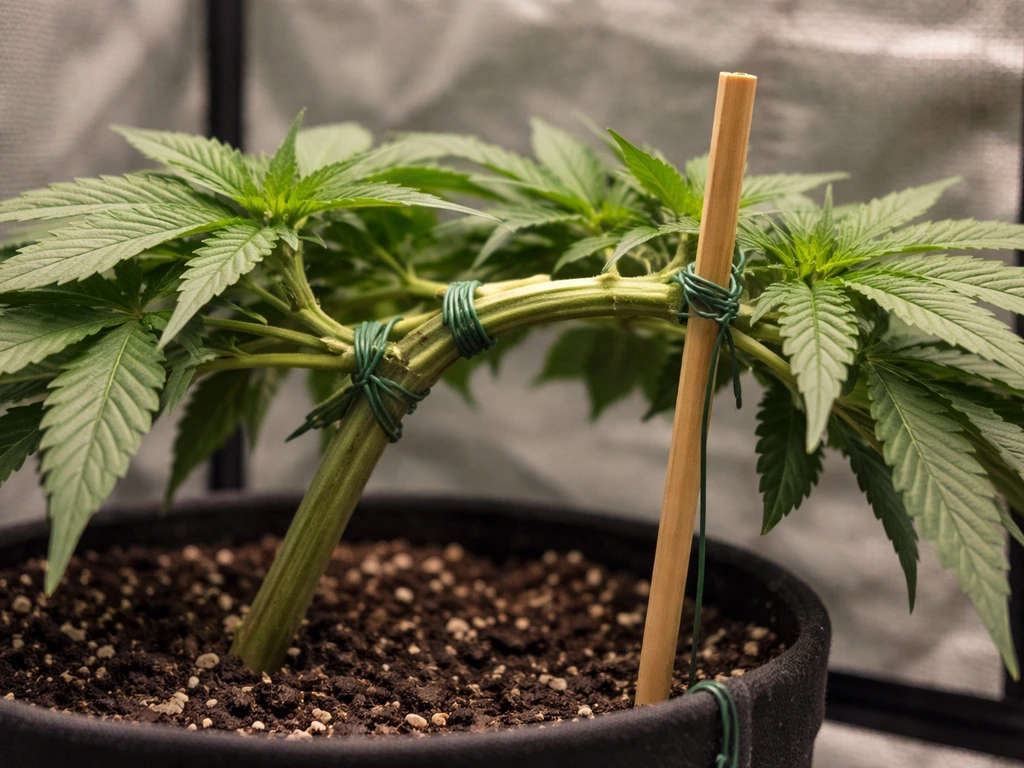
Low-stress training (LST) is the best technique to start with. You gently bend the main stem outward and tie it down to create a flatter canopy that allows lower bud sites to receive more light. This significantly increases yield without stressing the plant. Start LST around week 3–4 of veg, once the plant has 4–5 nodes. Topping (cutting the main growing tip above a node) is the next step up, it creates two main colas instead of one and gives you a bushier plant, but it does stress the plant and it needs a few days to recover. Avoid topping autoflowers; they do not have time to recover. LST works great on autos.
Feeding during veg
Vegetative growth is driven by nitrogen. If you are growing in quality potting soil amended with perlite (a 70/30 mix is a good starting point), you may not need to add nutrients for the first 3–4 weeks. Once you start feeding, use a balanced nutrient formula with a higher nitrogen component, something like an N-P-K of 3-1-2 or similar vegetative formula. Start at half the manufacturer's recommended dose. For soil, target a pH of 6.0–7.0 in your water and nutrient solution. For coco coir, target 5.8–6.2. Always pH your water. I ignored this early on and spent two grows wondering why leaves looked off, it was pH lockout the whole time.
Water when the top inch of soil is dry, or lift the pot, a light pot means it is time to water. A heavy, wet pot means wait. This rhythm takes a grow or two to internalize, but it is one of the most important skills you will develop.
Flowering, knowing when to harvest, and curing your buds
Triggering and managing the flower stage
For indoor photoperiod plants, switch your light timer from 18/6 to 12/12 (12 hours light, 12 hours dark) to trigger flowering. Your plants will show sex within 1–2 weeks, look for pistils (small white hairs) at bud sites, which indicate females. Remove any confirmed males immediately. For outdoor plants, flowering begins naturally in mid-to-late August in most of Virginia as days shorten. If you are specifically planning an outdoor run, also see how to grow weed outdoors in ny for timing, site setup, and harvest cues. Autoflowers start flowering on their own at around 3–5 weeks from seed regardless of light.
During flower, dial back nitrogen and increase phosphorus and potassium. Most two-part or three-part nutrient systems have a dedicated bloom formula. Temperature targets shift slightly: 65–80°F is ideal, and humidity should drop to 40–50% to reduce mold risk. During the last two weeks before harvest, many growers drop humidity to 35–45%. Avoid large temperature swings between day and night.
Reading harvest timing
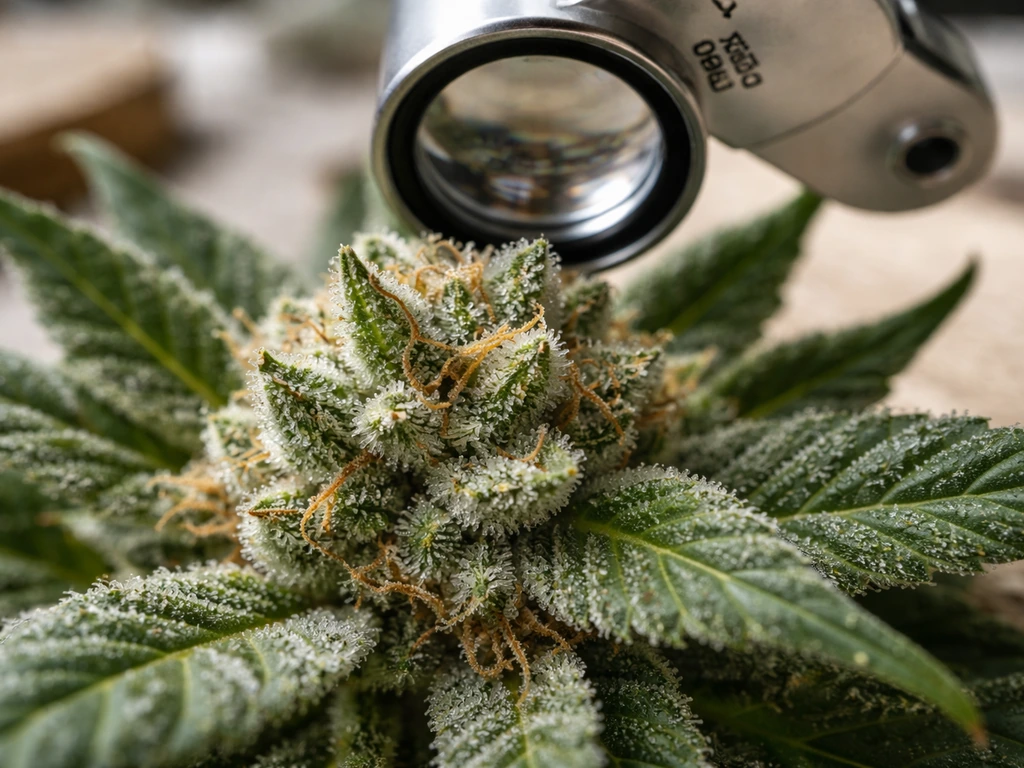
The most reliable harvest indicator is trichome color, checked with a jeweler's loupe (30–60x) or a digital microscope. Trichomes are the tiny crystal structures on your buds. Milky/cloudy trichomes mean peak THC. Amber trichomes mean THC is degrading into CBN, which produces a more sedating effect. Most people harvest when they see mostly cloudy with 10–30% amber, depending on the effect they prefer. Pistil color is a secondary indicator, when 70–90% of pistils have darkened from white to orange or brown, you are in the harvest window.
Stop feeding nutrients 1–2 weeks before harvest and water with plain pH-adjusted water only. This is called flushing, and it helps clear residual nutrient salts from the plant tissue.
Drying and curing
Cut whole branches, trim fan leaves (and optionally sugar leaves), and hang them upside down in a dark, well-ventilated space at 60–70°F with 50–60% relative humidity. They are dry enough to jar when small stems snap rather than bend, typically 7–14 days. Then place trimmed buds in clean glass mason jars, filled about 75% full. Open the jars once or twice daily for the first two weeks (called burping) to release moisture and gas. Cure for a minimum of 2–4 weeks; 6–8 weeks produces noticeably smoother, more flavorful cannabis. Rushing the cure is a common mistake that results in harsh, grassy-tasting buds.
Troubleshooting: pests, diseases, nutrient problems, and mold
Most problems in a home grow come back to a handful of common culprits. Here is how to identify and handle them.
Nutrient deficiencies and toxicities
Yellow lower leaves that are dropping off are almost always a nitrogen deficiency, often caused by pH being out of range rather than a lack of nutrients in your mix. Before adding more fertilizer, check and correct your pH first. Burnt leaf tips (tip burn) usually mean nutrient toxicity or salt buildup, flush the medium with plain water and reduce feeding concentration. Interveinal chlorosis (yellow between leaf veins, green veins) on new growth often points to an iron or magnesium deficiency. Epsom salt (magnesium sulfate) at half a teaspoon per gallon fixes most magnesium issues quickly.
Common pests
- Spider mites: tiny dots on leaves, fine webbing underneath. Treat with neem oil, insecticidal soap, or spinosad sprays. Keep humidity above 40% during veg — mites thrive in hot, dry conditions.
- Fungus gnats: small flies hovering around soil, larvae damage roots. Let soil dry out more between waterings. Sticky yellow traps and beneficial nematodes (Steinernema feltiae) in the soil work well.
- Aphids: clusters of soft-bodied insects on stems and under leaves. Neem oil or pyrethrin sprays work; check plants daily since colonies grow fast.
- Caterpillars / budworms: especially relevant for outdoor Virginia growers in late summer. Bacillus thuringiensis (Bt) is an organic spray that targets caterpillars without harming beneficial insects.
- Thrips: tiny elongated insects that cause silvery streaking on leaves. Spinosad or pyrethrin sprays applied to the underside of leaves are effective.
Mold and humidity problems
Mold is the most harvest-killing problem in Virginia, particularly for outdoor growers in the Tidewater, Piedmont, and Northern Virginia regions where late summer and fall humidity can be brutal. The Virginia Department of Health notes that mold grows rapidly above 65°F when moisture is high, conditions that match a Virginia August perfectly. Botrytis (gray mold or bud rot) is the most dangerous. It starts inside dense colas and works outward. By the time you see gray, fuzzy growth on the outside, the interior of that bud is already lost. Prevention is everything: good airflow around and between plants, lower humidity during flower (below 50%), and avoiding watering plants late in the day outdoors. If you spot bud rot, cut the affected bud and about two inches of healthy tissue surrounding it immediately. Bag and dispose of infected material away from your garden.
Powdery mildew looks like white powder on leaves and is different from bud rot but still a serious problem. Increasing airflow, reducing humidity, and spraying with a diluted potassium bicarbonate solution can treat early cases. Indoor growers should keep relative humidity below 50% once flowering starts. The CCA specifically flags overcrowding as a mold risk, do not pack four plants into a space that comfortably fits two.
Outdoor-specific risks in Virginia
Hurricane season runs June 1 through November 30, and in Virginia that overlap with the flower stage is a real concern, especially for coastal and southeastern growers. If a storm is coming, stake your plants securely or move containers to a sheltered location. Heavy rains during late flower are a direct invitation to bud rot, shake water off the colas after rain and ensure drainage is excellent. Growing in raised beds or containers with good drainage helps significantly in wet years. If you are new to outdoor growing in Virginia, the sibling topic on growing weed outside in Virginia goes deeper on seasonal management specific to the state's regional variation. If you want the Ohio version of this approach, check the steps for how to grow weed in Ohio growing weed outside in Virginia.
A quick reference troubleshooting table
| Symptom | Likely Cause | Fix |
|---|---|---|
| Yellow lower leaves dropping | Nitrogen deficiency / pH issue | Check and correct pH; feed balanced veg nutrients |
| Burnt leaf tips | Nutrient toxicity / salt buildup | Flush with plain water; reduce feed concentration |
| Yellow between veins, green veins (new growth) | Iron or magnesium deficiency | Correct pH; add Epsom salt for magnesium |
| Wilting despite wet soil | Overwatering / root rot | Let dry out; add perlite to improve drainage |
| Gray fuzzy patches inside buds | Botrytis (bud rot) | Remove immediately; improve airflow and lower humidity |
| White powder on leaves | Powdery mildew | Increase airflow; apply potassium bicarbonate spray |
| Tiny dots and webbing on leaves | Spider mites | Neem oil or insecticidal soap; increase humidity slightly |
| Slow flies around soil | Fungus gnats | Dry out soil more; yellow sticky traps; beneficial nematodes |
| Holes in leaves, visible caterpillars | Caterpillars / budworms | Apply Bt spray; inspect buds carefully for boring damage |
Growing cannabis in Virginia is genuinely doable for a beginner, especially with four plants and a focused setup. Keep your compliance checklist tight, pick a strain that matches your climate zone and setup, and learn to read your plants week by week. The issues that ruin grows, overwatering, wrong pH, late mold, are all preventable with basic attention. Your first harvest will not be perfect, but it will teach you more than any guide can. Start with one or two plants if you want to reduce pressure, get a feel for the process, and scale up when you are comfortable.
FAQ
How strict is the “up to four plants per household” rule in shared housing situations?
Yes, but you still need to follow the state household limit (up to four plants per household) and keep the plants from being visible from a public road or walkway. If you share a property with others, treat “household” as the controlling factor, and avoid layouts that could be seen through openings, fence gaps, or from adjacent paths.
What counts as “visible from a public road or walkway,” and how can I tell if I’m compliant?
It is allowed to keep plants outdoors, but the visibility restriction is about lines of sight from public areas. If your backyard is surrounded by private land, you still need to check what can be seen from public sidewalks, driveways, easements, or nearby public lots, especially after tall growth starts. Plan shielding and placement before planting, not after.
If I’m growing outdoors, when should I start my seedlings so they do not get set back by late frost?
For outdoor starts, a common mistake is planting too early and getting hit by late cold snaps, which can stall growth or damage young plants. Use local last frost timing for your area, then harden seedlings off gradually (cooler nights and more outdoor exposure over 5 to 7 days) before full-time outdoor conditions.
How can I reduce the risk of frost ruining my outdoor harvest in Virginia?
For Virginia winters, outdoor plants that are still in flower are at risk if they are not finished before the first fall frost. A practical hedge is to choose strains with a flowering time that ends by early to mid-October for most of Virginia, then stagger your outdoor germination (for example, two rounds) so one batch is not forced to rely on a single timing window.
What are the most common indoor flowering mistakes right after switching from 18/6 to 12/12?
When moving from veg to flower indoors, switching light schedules is only part of it, you also need to watch early stretch and keep humidity from spiking. If humidity stays too high during the first weeks of flower, mold risk rises even if your later numbers look good. Aim for the lower flower humidity targets you planned, starting as soon as you trigger flowering.
How do I tell the difference between powdery mildew and bud rot, and what should I do first?
Powdery mildew and bud rot are treated differently. Powdery mildew shows up as a surface white film on leaves and responds to better airflow and humidity control, while bud rot often starts inside dense buds and can require removing entire affected sections early. If you are unsure, focus first on correcting airflow and humidity, then act based on whether the symptoms are on leaf surfaces versus inside buds.
My leaves are yellowing, should I just add more nutrients, or is it usually something else?
If you see yellowing in lower leaves, check pH before adding fertilizer, because pH lockout can mimic nutrient problems. Measure your input water pH (and ideally runoff pH if you have it), then adjust. For soil, keep your target range in mind (and remember that water that is not adjusted to the correct pH can undo “correct” nutrients).
What is the best way to avoid overwatering, especially with beginner mistakes like watering on a calendar?
Overwatering is the easiest way to trigger root problems, especially in small containers. A practical decision rule is to wait until the top inch dries, then water thoroughly, and use pots with good drainage and a lightweight pot test to confirm. If you suspect root issues, stop adding water on a schedule and adjust to the container’s actual drying rate.
How can I dry and cure successfully in Virginia humidity without ruining flavor or getting mold?
If you are drying in Virginia’s humid months, the risk is you will get slow drying and trapped moisture that reduces quality. Use a dehumidifier if needed and keep space humidity near the targets, with strong but safe airflow. Also, ensure your dry room is dark and ventilated, because heat and light can accelerate degradation.
Do I really need to flush before harvest, and what does flushing look like in practice?
Flushing is not the only approach, but in this article’s workflow it means stopping nutrient feed 1 to 2 weeks before harvest and using plain pH-adjusted water. Do not flush by dumping lots of extra water, which can cause nutrient washout issues and waterlogged conditions, instead continue normal watering practices adjusted to dry-down rate.
What is the most reliable way to manage odor indoors in a tent?
For indoor odor control, do not rely on a basic fan alone. Pair your inline fan with a carbon filter sized appropriately for your tent size, and ensure duct connections are sealed so air goes through the filter rather than leaking around it. If you ever notice smell escaping at night or when lights change, check airflow path and filter seating first.
What should I track week to week if I want faster troubleshooting and a smoother first grow?
If you want to start with fewer mistakes, begin with a single plant or two plants, use a stable light schedule, and keep records (pH, watering dates, nutrient strength, humidity). You do not need perfect data, but consistent notes make it much easier to spot patterns like pH drift, underfeeding, or humidity swings that lead to mold.
How to Grow Weed Outdoors in NY: Step-by-Step Guide
Step-by-step guide for outdoor cannabis in New York: timing, setup, soil, feeding, training, pests, and harvest readines