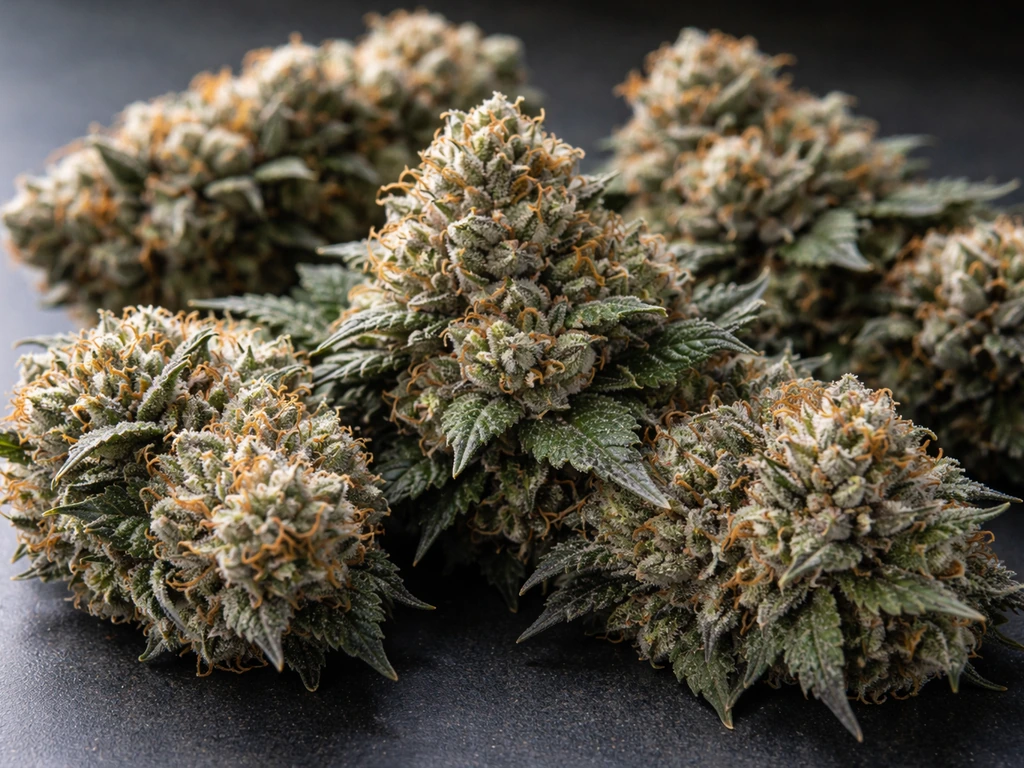
Charlotte's Web is a CBD-dominant hemp cultivar bred by the Stanley Brothers in Colorado. It sits at or below 0.3% delta-9 THC on a dry weight basis, which means it qualifies as hemp under the 2018 U.S. Farm Bill. You can grow it indoors under LED fixtures, outdoors in a sunny garden bed, in a greenhouse, or in a hydroponic system, the cultivation basics translate across all four environments once you understand the strain's light, climate, and nutrient needs. This guide walks you through every stage: choosing legal genetics, building your environment, germinating seeds, managing veg and flower, timing harvest for peak CBD, drying, curing, on-farm testing, and troubleshooting the problems that trip up most first-time CBD hemp growers.
How to Grow Charlotte's Web: Complete CBD Hemp Guide, Indoor & Outdoor
Marcus Holbrook
25 Jul 2026
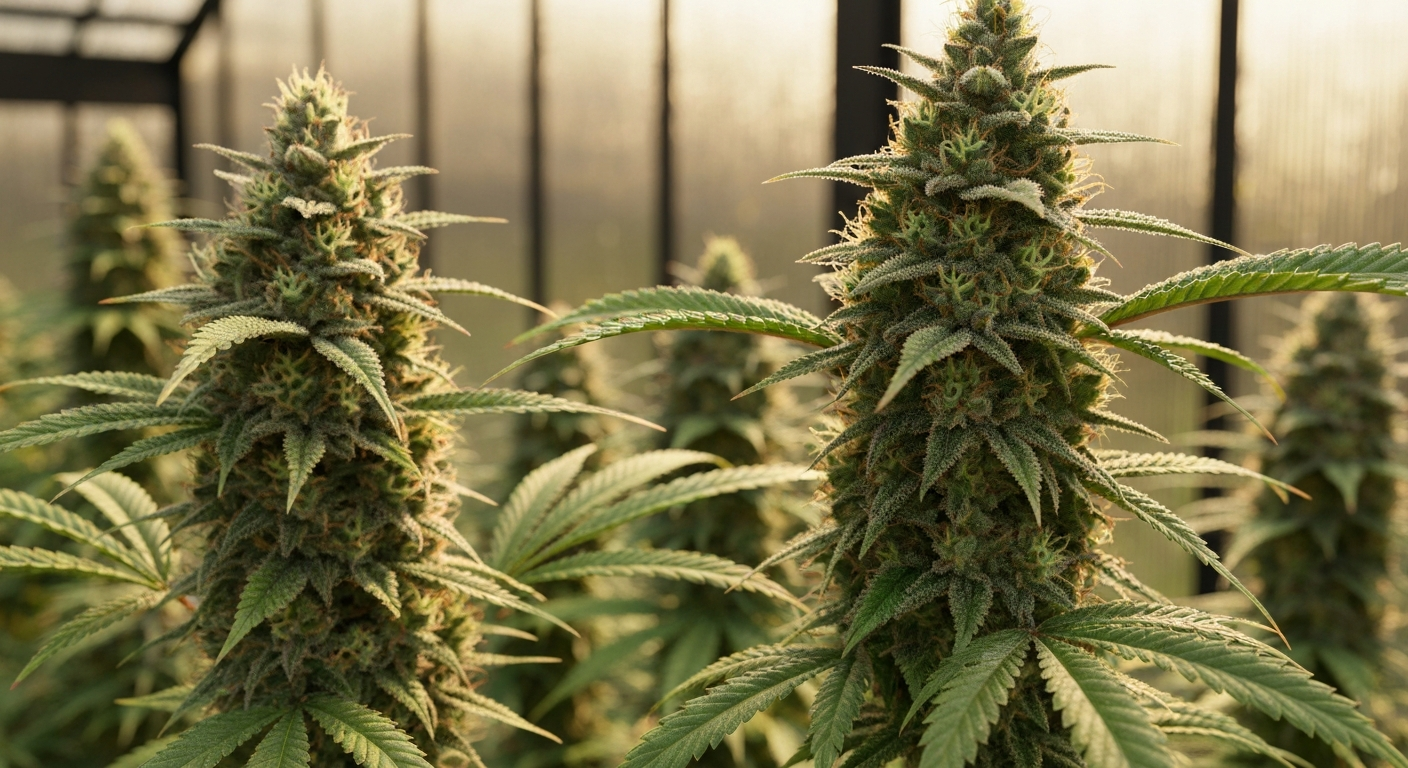
Who this guide is for
I wrote this for home growers who want a practical, step-by-step walkthrough rather than a breezy overview. Whether you've never started a seed before or you've already run a few cycles of a high-THC variety, the information here applies directly to Charlotte's Web. Growing a CBD cultivar is different from growing a recreational strain in a few important ways: compliance testing adds a legal layer that doesn't exist for high-THC home grows in states where cannabis is legal, the cannabinoid targets you're chasing are different, and the plant's phenology (especially its sensitivity to daylength) demands specific planning. I'll flag where I've personally made mistakes, because most beginner errors are predictable and avoidable once you know what to watch for.
Charlotte's Web: where it comes from and what's in it
The Stanley Brothers, Joel Stanley and siblings, working in Colorado, developed the cultivar line now sold under the Charlotte's Web brand through Charlotte's Web Holdings, Inc. The company holds U.S. utility patents on proprietary varieties including the cultivar designated 'CW1AS1' (U.S. Patent US 10,653,085), with plant material deposited at NCIMB. Originally bred to produce high-CBD, low-THC flower for extract production, Charlotte's Web became widely known through its use in pediatric seizure cases before CBD extracts were mainstream. The breeding target was simple but technically demanding: maximize CBD concentration while keeping delta-9 THC consistently below the legal compliance threshold.
In terms of cannabinoid chemistry, Charlotte's Web is a Type III (CBD-dominant) chemotype. Mature flower typically carries CBD percentages that can reach into the mid-to-high single digits on a dry weight basis, with delta-9 THC staying under 0.3%. The exact expression you'll see depends heavily on your growing environment, soil fertility, harvest timing, and the specific seed line you source. Genetics are the starting point, but environment and management shape the final numbers meaningfully, a point worth keeping in mind every time you're tempted to cut corners on climate control or nutrient timing.
Legal considerations before you plant a single seed
This is the section most beginner growers skim and then wish they'd read carefully. Under the 2018 Agricultural Improvement Act, hemp is federally legal in the U.S. as Cannabis sativa L. with a delta-9 THC concentration at or below 0.3% on a dry weight basis. USDA guidance requires compliance testing for 'total THC', a post-decarboxylation calculation that accounts for both delta-9 THC and THCA, not just delta-9 alone. That distinction matters because THCA converts to THC when heated, so the post-decarboxylation number is always higher than a raw delta-9 reading.
State rules sit on top of federal rules and often go further. California requires county-level registration of hemp cultivation and mandates pre-harvest laboratory testing before you can legally harvest. Kentucky's hemp regulation (302 KAR Chapter 50) requires licensed grower registration, formal harvest reporting, department-collected samples 15 to 30 days before harvest, post-decarboxylation THC measurement, and strict chain-of-custody procedures, with state authority to order movement or destruction of non-compliant crops. Colorado's USDA-approved state plan requires sampling maps, chain-of-custody forms, and specific laboratory procedures. Your state may have its own plan, or it may defer to the USDA federal program. Look this up before you order seeds.
Laboratories conducting compliance testing under USDA's Hemp Production Program must be registered with the DEA. USDA also maintains an approved sampling agent program with documented chain-of-custody and sample-handling standards. AOAC's Cannabis Analytical Science Program (CASP) validates the analytical methods, typically HPLC/LC-based, used to measure cannabinoids. The NIST Cannabis Laboratory Quality Assurance Program has published inter-laboratory performance data confirming that rigorous QA/QC and reference materials are necessary for reliable results. For a home grower this means: use a DEA-registered, ideally ISO/IEC 17025-accredited lab for any compliance testing, and don't rely on inexpensive test strips or unvalidated methods for THC compliance purposes.
- Check whether your state has a USDA-approved state hemp plan or operates under the USDA federal program — requirements differ significantly.
- Register with your state or county agriculture department before you plant, where required.
- Understand that 'total THC' (post-decarboxylation) is the compliance metric, not delta-9 THC alone.
- Schedule pre-harvest sampling 15 to 30 days before your intended harvest date, consistent with your state's window.
- Use a DEA-registered lab for official compliance testing.
- Keep records: field maps, planting dates, seed/clone sourcing documents, and chain-of-custody forms for lab submissions.
- Know the consequence of a 'hot' crop — non-compliant material must typically be destroyed under regulatory supervision.
Choosing your genetics
Charlotte's Web genetics are proprietary. Charlotte's Web Holdings controls the IP through utility patents and licensing agreements with the Stanley Brothers. This means you cannot legally propagate patented CW varieties for sale or commercial use without authorization. For home cultivation, your practical options are: purchase seeds or clones from a licensed supplier who has secured proper rights, or grow a non-patented CBD-dominant cultivar with a similar chemotype profile. Several reputable hemp seed companies sell USDA-registered CBD-dominant feminized seed lines that perform comparably to CW in the field, just verify the supplier's state registration and certificate of analysis for the seed lot before you buy.
Seeds vs. clones
Seeds are easier to ship, store, and start without specialized equipment. Feminized seed is strongly recommended for CBD hemp because male plants contribute no cannabinoid-rich flower and, critically, open pollination dramatically reduces flower yield and can trigger cannabinoid profile shifts. Autoflowering varieties are available and finish in roughly 80 to 100 days from seed regardless of photoperiod, which makes them appealing for beginner indoor growers or for northern outdoor growers with short seasons. Full-season photoperiod varieties run 110 to 140 days to maturity and generally produce heavier yields, but they require careful attention to daylength and latitude when planning an outdoor grow.
Clones guarantee genetic uniformity and eliminate the male-plant risk entirely, but sourcing clean clones is harder. Clones can carry latent pathogens, powdery mildew, botrytis, and hop latent viroid are the three I'd worry most about, and a contaminated clone can infect an entire garden before you notice the symptoms. If you go the clone route, quarantine new material for at least two weeks, inspect closely for pests, and ideally run a PCR test for hop latent viroid if you're setting up a serious indoor operation.
| Factor | Feminized Seeds | Autoflower Seeds | Clones |
|---|---|---|---|
| Genetic uniformity | High (within line) | High (within line) | Exact (identical to mother) |
| Time to harvest | 110–140 days (photoperiod) | 80–100 days from seed | Slightly shorter than seed |
| Pathogen risk | Low | Low | Higher (carry mother's pathogens) |
| Beginner friendliness | Good | Best | Moderate |
| Availability | Widely available | Widely available | Requires local/licensed source |
| IP/licensing concern | Verify supplier rights | Verify supplier rights | Must confirm propagation rights |
| Yield potential | High | Moderate | High |
When sourcing, look for suppliers who provide: a certificate of analysis (COA) for the seed lot showing parent-plant THC below compliance thresholds, a USDA APHIS Phytosanitary certificate or equivalent for interstate shipping, state-level registration documentation, and germination rate data. Avoid suppliers who can't produce these on request.
Planning your grow: site, space, and setup
Charlotte's Web is a vigorous plant. Outdoors, a single full-season plant can reach 4 to 6 feet tall and spread 3 to 5 feet wide if left unpruned. Indoors, you'll manage size through canopy training and container choice, but you still need to plan for adequate vertical clearance between your canopy and your lights, typically 18 to 24 inches minimum depending on fixture intensity. Budget at least 4 square feet per plant indoors for a relaxed grow, or tighter spacing with aggressive low-stress training if you're working in a small tent.
Indoor
Indoor gives you the most control over every variable, light, temperature, humidity, CO2, and photoperiod. It's my preferred environment for beginners learning CBD hemp for the first time, because you can course-correct quickly. A 4x4 foot tent with a quality LED fixture is a sensible starting point. You control the light schedule entirely, which means you trigger flowering at your chosen time rather than waiting on the sun. The main trade-off is operating cost: electricity, climate control, and equipment add up.
Outdoor
Outdoor is the most cost-effective option for CBD hemp at any meaningful scale, and it's how most commercial Charlotte's Web-style production actually happens. Sun is free, plants can express their full genetic potential for size and yield, and terpene expression is often richer outdoors. The trade-offs: you're dependent on weather, pest and disease pressure is higher, and photoperiod varieties must be timed to your latitude's natural daylength. In most of the continental U.S., planting after last frost and aiming for harvest in September to October aligns with full-season hemp flowering windows. Pre-harvest THC compliance testing timelines must be built into your harvest planning from the start.
Greenhouse
Greenhouse growing sits between indoor and outdoor in both control and cost. A light-deprivation greenhouse lets you manipulate the photoperiod to trigger flowering early, compress your production cycle, and run multiple harvests per season in favorable climates. This is probably the best long-term setup for a serious home producer who wants consistent quality without the full cost of indoor CEA. Climate management is more demanding than basic outdoor, but less intensive than a fully sealed indoor room.
Hydroponic
Hydroponic systems, deep water culture (DWC), drain-to-waste coco, NFT, or recirculating drip, accelerate growth by delivering nutrients directly to the root zone in a highly available form. CBD hemp responds well to hydro, and you can see noticeably faster vegetative growth compared to soil. The management demands are higher: you need to monitor pH and EC (electrical conductivity) daily, and root-zone problems escalate faster than in soil. I'd recommend starting in soil or coco if this is your first grow, then moving to recirculating hydro once you're comfortable reading your plants.
Lighting fundamentals for CBD hemp
Light is the single largest lever you have over yield indoors. For propagation and rooting of cuttings, USDA ARS guidelines recommend 18 to 24 hours of light per day at approximately 100 µmol·m⁻²·s⁻¹ PPFD (photosynthetic photon flux density), with temperature held at 24 to 29°C (75 to 84°F) and relative humidity at 40 to 60%. These are gentle conditions that support root development without stressing young tissue.
During vegetative growth, target 150 to 400 µmol·m⁻²·s⁻¹ PPFD under an 18/6 light/dark schedule (18 hours on, 6 hours off) for photoperiod varieties. This keeps plants in vegetative mode and promotes canopy development. For flowering, increase PPFD to the 300 to 800+ µmol·m⁻²·s⁻¹ range and shift the photoperiod to 12/12 to trigger flower initiation in photoperiod varieties. Research on Cannabis sativa under CEA conditions demonstrates linear yield responses to increasing PPFD up to cultivar-specific saturation points, so more light (within fixture capacity and CO2 availability) generally means more flower. Autoflowering varieties don't need a photoperiod shift, they'll flower under 18/6 or even 20/4 throughout their life.
| Growth Stage | Light Schedule | Target PPFD (µmol·m⁻²·s⁻¹) | Notes |
|---|---|---|---|
| Propagation / seedling | 18–24 h on | 100 | Gentle; avoid intense direct light on new roots |
| Vegetative | 18/6 | 150–400 | Increase gradually as canopy develops |
| Flower initiation | 12/12 (photoperiod) or 18/6 (auto) | 300–600 | Shift schedule triggers flower in photoperiod types |
| Mid to late flower | 12/12 (photoperiod) or 18/6 (auto) | 500–800+ | Higher PPFD supports bud development; monitor heat |
For fixture type, full-spectrum LED panels are the current best choice for home grows: they produce less heat per photon than HPS, have a longer service life, and modern quantum board designs deliver excellent uniformity across a 4x4 or 5x5 footprint. For a 4x4 tent, a fixture rated at 300 to 400W draw (not the inflated 'equivalent' wattage) is appropriate. Maintain a canopy-to-fixture distance of 18 to 24 inches for mid-cycle LED use, adjusting up or down based on your specific manufacturer's recommendations and any signs of light stress (bleaching, tacoing leaves) or light deficiency (stretching, pale new growth).
Climate and environment setpoints by stage
Temperature, relative humidity (RH), CO2, and airflow interact constantly in a grow space. Getting these dialed in early prevents the majority of the pest and disease problems that plague beginners. I made the mistake on my first indoor run of prioritizing light and nutrients while ignoring VPD (vapor pressure deficit), the result was powdery mildew in late flower that was entirely preventable. Here are the setpoints I work with now.
| Stage | Day Temp (°C / °F) | Night Temp (°C / °F) | Relative Humidity (%) | CO2 (ppm) | Airflow |
|---|---|---|---|---|---|
| Seedling / propagation | 24–27°C / 75–80°F | 22–24°C / 72–75°F | 65–75% | Ambient (~400) | Gentle; no direct fan blast on seedlings |
| Vegetative | 22–28°C / 72–82°F | 18–22°C / 64–72°F | 50–70% | 400–800 (supplement if sealed) | Moderate; stems should sway gently |
| Early flower | 20–26°C / 68–79°F | 18–22°C / 64–72°F | 45–55% | 400–800 | Active; consistent exchange |
| Mid to late flower | 18–24°C / 64–75°F | 16–20°C / 61–68°F | 40–50% | 400–600 | Strong; reduce RH aggressively to prevent botrytis |
Airflow deserves more attention than most beginners give it. A horizontal oscillating fan plus an inline exhaust fan sized to exchange your grow space's air volume every 1 to 3 minutes is the baseline. In late flower, when dense buds trap moisture, increase air movement and drop RH toward 40 to 45% to minimize botrytis (grey mold) risk. CO2 supplementation above ambient levels is beneficial only if your PPFD is above approximately 600 µmol·m⁻²·s⁻¹ and your other environmental factors are optimized, at lower light intensities, supplemental CO2 adds cost without meaningful return.
Growing media and system options
Your growing medium affects how you water, how you feed, and how forgiving the system is when you make mistakes. For Charlotte's Web specifically, there's no single 'best' medium, each has genuine advantages depending on your setup and experience level.
| Medium / System | Best For | Key Advantages | Key Challenges | pH Target |
|---|---|---|---|---|
| Amended living soil | Outdoor and indoor beginners | Forgiving buffering capacity; supports microbiome; low input cost after setup | Slower growth than hydro; hard to correct deficiencies fast | 6.0–7.0 |
| Coco coir (drain-to-waste) | Indoor growers wanting faster growth | Faster veg than soil; inert so nutrients are dialed precisely; good aeration | Daily/twice-daily watering required; needs cal-mag supplementation | 5.8–6.2 |
| Soilless peat/perlite mix | Beginners wanting middle ground | More forgiving than pure coco; good drainage; widely available | Less microbiome support than amended soil; still needs regular feeding | 5.8–6.5 |
| Deep water culture (DWC) | Experienced growers chasing fast growth | Fastest vegetative growth; excellent oxygen delivery to roots | pH and EC fluctuations are rapid; root pathogens escalate quickly | 5.5–6.1 |
| Recirculating drip (top-feed) | Intermediate growers scaling up | Consistent delivery; scalable; works well with coco or rockwool | System maintenance; reservoir management; risk of salt buildup | 5.5–6.2 |
| Outdoor native soil (amended) | Outdoor grows on a budget | Low cost; natural microbial activity; handles large root mass | Variable soil quality; pH correction needed; drainage management essential | 6.0–7.0 |
For a first-time Charlotte's Web grow, I recommend either a quality amended living soil (something with good organic matter, perlite at 20 to 30% by volume for drainage, and a balanced starter charge) or a coco/perlite blend fed with a complete nutrients program. Both are forgiving enough to teach you the plant's rhythms without punishing every small mistake. If you're drawn to hydroponics, and CBD hemp genuinely thrives in DWC, plan to spend time learning to manage pH and EC before you commit your first genetics run to a recirculating system. For comparison with other strains that growers commonly run in similar setups, the media principles here apply broadly whether you're growing Charlotte's Web or a high-THC variety like those covered in other strain guides on this site. For a direct comparison and step-by-step tips on a common high-THC variety, see our guide on how to grow cookies.
Germination and early seedling care
Germinate seeds between two moist paper towels placed on a plate, covered, and kept at 24 to 27°C (75 to 80°F). Most viable seeds will show a taproot within 24 to 72 hours. Once the taproot reaches 5 to 10mm, transfer directly into your starter medium, a small rockwool cube, a jiffy pellet, or a solo cup of lightly moistened seedling mix, taproot pointing down. Keep the medium moist but not saturated; overwatering at this stage is the most common first-week mistake. Cover with a humidity dome or inverted clear cup to maintain 65 to 75% RH until cotyledons are open and the first true leaves appear.
Under your light at approximately 100 µmol·m⁻²·s⁻¹, seedlings establish in 7 to 14 days. Don't feed nutrients during this window, the seed contains enough energy reserves, and the starter medium provides what's needed. Once the second node of true leaves is visible and roots are beginning to reach the edges of the starter container, transplant into your final medium or a 1-gallon intermediate container to continue root development before the final pot.
Vegetative growth management
Charlotte's Web enters vegetative growth quickly once established. Under 18/6 with PPFD ramped to 200 to 400 µmol·m⁻²·s⁻¹, you can expect 3 to 5 cm of new growth per week at optimal conditions. The vegetative stage for a photoperiod variety typically runs 4 to 8 weeks depending on how large you want the plant before flowering, longer veg means a larger final plant and potentially heavier yield, but also more space and time. Autoflowers don't give you this choice; they transition to flower autonomously around weeks 3 to 4 from seed.
Nutrient targets during veg
Vegetative growth is nitrogen-dominated. A balanced NPK ratio weighted toward nitrogen, something like 3-1-2 (N-P-K) by ratio, supports vigorous canopy development. For soil growers using an amended living soil with a good organic charge, additional fertilizer inputs in early veg are often minimal. For coco or hydro growers, target an EC (electrical conductivity) of 1.0 to 1.6 mS/cm in seedling-to-early-veg and step up to 1.6 to 2.2 mS/cm through mid-veg as plants size up. Always verify pH at the rootzone: 6.0 to 7.0 for soil, 5.8 to 6.2 for coco and hydro. Calcium and magnesium are commonly deficient in coco and soft-water hydro systems, include a cal-mag supplement at 200 to 400 ppm (as Ca + Mg combined) from early growth onward.
Training and pruning
Charlotte's Web grows with a strong central main cola if left alone. For indoor growing, low-stress training (LST), gently bending and tying branches outward to flatten the canopy, dramatically improves light distribution and can increase yield by 20 to 40% compared to an untrained plant under the same fixture. Start LST early, around week 2 to 3 of veg, when stems are still flexible. Topping (removing the apical meristem) creates two main colas from one and is an effective technique for experienced growers wanting a wide, even canopy, but it adds 7 to 10 days to your veg time as the plant recovers. Defoliation, selectively removing large fan leaves blocking bud sites, is useful in late flower to improve airflow and light penetration but should be done conservatively to avoid stressing the plant during the critical final weeks.
Flowering: triggering, managing, and timing
For photoperiod Charlotte's Web indoors, shift your light schedule from 18/6 to 12/12 to trigger flowering. Outdoors, natural daylength does this automatically as summer shifts toward fall, in most of the continental U.S., flower initiation happens naturally in late July to early August, with harvest typically falling in September to October for full-season varieties. The flowering period for CBD hemp is typically 7 to 10 weeks from flip to harvest, though this varies by phenotype and environment.
During flowering, shift your nutrient profile away from high nitrogen toward a phosphorus- and potassium-weighted formula. An NPK ratio in the range of 1-3-2 to 1-2-3 (N-P-K) supports bud development. Reduce EC slightly in early flower (1.4 to 1.8 mS/cm) as the plant's metabolism transitions, then step back up to 1.6 to 2.0 mS/cm through peak flower development. Taper nitrogen hard in the final two to three weeks. Many experienced growers run a 'flush' or plain-water-only period for the final 7 to 14 days before harvest, particularly in synthetic nutrient programs, to clear accumulated salts. Evidence for flushing improving final product quality is debated, but it's low-risk and common practice.
Harvest timing: reading CBD ripeness
This is where CBD hemp diverges most sharply from THC-dominant cannabis cultivation. With a high-THC strain, you typically harvest when trichomes shift from clear to cloudy to amber, and you're chasing maximum THC alongside desired terpene profiles. With Charlotte's Web and CBD hemp, you're additionally constrained by the THC compliance threshold, and here's the critical biological reality: as hemp matures, both CBD and THC concentrations increase, but THC continues rising as the plant senesces. Harvesting at or just before peak CBD, rather than waiting for maximum ripeness, is often necessary to stay below 0.3% total THC.
The practical protocol: collect your compliance sample 15 to 30 days before your intended harvest date (consistent with your state's requirements), submit to a DEA-registered lab, and receive your total THC result. If the sample passes, you can proceed to harvest during the approved window. If total THC is approaching the threshold, harvest promptly, don't wait for additional trichome development. In terms of visual indicators, target the point where 60 to 70% of trichomes have turned from clear to milky/cloudy and pistils have shifted from white to orange/red on 70 to 80% of the surface area. This window typically delivers the highest CBD before THC climbs into non-compliance territory.
Drying, curing, and post-harvest handling
Harvest by cutting whole branches or the entire plant at the base. Hang inverted in a dark, well-ventilated space at 15 to 21°C (60 to 70°F) and 45 to 55% RH. Airflow should be gentle and consistent, fans blowing across the room rather than directly on the buds. Drying takes 7 to 14 days depending on bud density and ambient conditions. The target is stems that snap rather than bend when you test them, and buds that feel dry to the touch but are not brittle or crumbly.
After drying, trim and place buds into airtight glass jars (mason jars are ideal) filled to about 75% capacity. For the first two weeks, open jars once or twice daily for 15 to 30 minutes ('burping') to release accumulated moisture and exchange gases. After two weeks, reduce burping to every few days and continue curing for a minimum of four weeks total. A properly cured CBD flower has smoother aroma, better-preserved terpenes, and improved moisture uniformity. Store finished product in a cool (below 21°C / 70°F), dark, low-humidity environment, amber glass away from light is ideal. Avoid freezing, which can rupture trichomes.
On-farm testing and quality verification
For compliance testing, the official pathway is non-negotiable: DEA-registered lab, validated HPLC/LC methods, ideally ISO/IEC 17025-accredited facility. AOAC, Cannabis Analytical Science Program (CASP) coordinates development and validation of official methods for cannabinoids and contaminants, and AOAC publishes validated HPLC/LC-based methods for measuring Δ9‑THC, CBD, and their acidic precursors AOAC — Cannabis Analytical Science Program (CASP). Don't substitute this with home test kits or colorimetric strips for regulatory purposes. For informal quality monitoring, checking cannabinoid development during growth as a rough guide, not for compliance, some growers use thin-layer chromatography (TLC) test kits to monitor the CBD/THC ratio trend across weeks, which can help flag plants trending hot before the official sample date. These kits are not regulatory-grade, but they're inexpensive and can give you directional data.
Keep records of everything: planting date, seed lot and COA, field map (required in most state plans), nutrient inputs, environmental logs, compliance sample submission date, lab report, and harvest date. These records aren't just regulatory protection, they're also the dataset that makes your second grow better than your first.
Common pests, diseases, and how to manage them
Charlotte's Web, like all Cannabis sativa, is susceptible to a predictable set of pests and diseases. The IPM (integrated pest management) principle, prevention first, biological controls second, chemical intervention last and only with permitted inputs, applies especially to hemp grown for extract, since contaminants like pesticide residues end up concentrated in CBD oil.
- Powdery mildew (Golovinomyces cichoracearum): the most common indoor and greenhouse fungal disease. Prevent with RH below 50% in flower, strong airflow, and adequate plant spacing. Treat at first sign with potassium bicarbonate, dilute hydrogen peroxide, or a USDA-approved sulfur-based fungicide (outdoors only; sulfur vapor indoors is dangerous).
- Botrytis (Botrytis cinerea / grey mold): thrives in dense late-flower buds at high humidity. Keep RH at 40–45% in the final three weeks. Remove affected material immediately and increase airflow. Prevention is far easier than treatment once established.
- Spider mites (Tetranychus urticae): fine stippling on leaves, webbing in severe infestations. Introduce predatory mites (Phytoseiulus persimilis, Neoseiulus californicus) as a biological control. Neem oil and insecticidal soap are effective in early veg but should not be used in flower on material destined for extract.
- Hemp russet mites (Aculops cannabicola): extremely small, hard to see without magnification. Causes bronze discoloration and distorted new growth. Sulfur (outdoors, not in flower) or predatory mite releases are the primary controls.
- Fungus gnats (Bradysia spp.): larvae damage roots in wet soil. Let the top inch of medium dry out between waterings. Yellow sticky traps monitor adult populations. Beneficial nematodes (Steinernema feltiae) or Bacillus thuringiensis var. israelensis (Bti) treat larvae effectively.
- Aphids and whiteflies: typically manageable with insecticidal soap, neem in early stages, or parasitic wasp releases (Aphidius colemani for aphids; Encarsia formosa for whiteflies).
- Hop latent viroid (HLVd): a systemic, incurable pathogen that reduces yield and cannabinoid content significantly. Enters via infected clones or contaminated tools. Test incoming clones, sterilize pruning tools between plants with 10% bleach or 70% isopropyl alcohol.
Troubleshooting common grow problems
| Symptom | Likely Cause | Correction |
|---|---|---|
| Yellowing lower leaves in veg | Nitrogen deficiency or overwatering | Check pH and EC at root zone; adjust feed; let medium partially dry if waterlogged |
| Interveinal yellowing on new growth | Iron or magnesium deficiency (pH lockout) | Correct root zone pH; supplement cal-mag for coco/hydro; check media pH |
| Bleached/white new growth at canopy | Light burn (fixture too close) | Raise fixture by 2–4 inches; check manufacturer's distance guidelines |
| Stretchy, pale internodes | Insufficient light | Increase PPFD; reduce distance to fixture; check for lamp failure |
| Brown edges on leaves | Nutrient burn (EC too high) or wind burn | Reduce EC by 10–15%; reposition fans to avoid direct blast on leaves |
| White powder on leaf surfaces | Powdery mildew | Reduce RH; increase airflow; apply potassium bicarbonate spray |
| Wilting despite wet medium | Root rot or compaction | Check root color (brown = rot); improve aeration; consider beneficial microbes (Trichoderma, mycorrhizae) |
| Total THC approaching 0.3% at lab test | Late harvest timing or heat stress | Harvest immediately; review cooling and harvest timing for next cycle |
Realistic yields and timing estimates
Expect indoor yields of 1 to 3 oz (28 to 85g) of dried flower per plant for a beginner's first run with an untrained photoperiod plant under a quality LED, scaling upward with training, optimized environment, and experience. An experienced indoor grower running LST and optimized PPFD can achieve 3 to 6 oz per plant. Outdoors, a full-season photoperiod Charlotte's Web-type plant in good soil with adequate sun can produce 1 to 3 lbs (450g to 1.4kg) of dried flower at full maturity, the difference between indoor and outdoor yield potential is dramatic.
| Environment | Grow Type | Typical Time Seed to Harvest | Estimated Yield per Plant |
|---|---|---|---|
| Indoor tent | Photoperiod (4–6 wk veg, 8–10 wk flower) | 16–18 weeks from seed | 1–6 oz (28–170g) dried flower |
| Indoor tent | Autoflower | 80–100 days from seed | 0.5–2 oz (14–56g) dried flower |
| Outdoor | Full-season photoperiod | 110–140 days from transplant | 1–3 lbs (450–1,360g) dried flower |
| Greenhouse (light dep) | Photoperiod | 12–16 weeks from transplant | 4 oz–1.5 lbs (113–680g) dried flower |
| DWC hydro (indoor) | Photoperiod | 14–16 weeks from seed | 2–8 oz (56–226g) dried flower |
These ranges are honest estimates, not marketing numbers. Your first grow will very likely land in the lower half of each range. That's normal. The single biggest yield improvement between your first and second cycle usually comes from better environmental management, specifically humidity control in flower, consistent pH, and appropriate PPFD, not from switching genetics or trying a more complicated feeding program.
Sample grow schedule: indoor photoperiod Charlotte's Web
- Week 1–2: Germination and seedling establishment. Light at ~100 µmol·m⁻²·s⁻¹ for 18h; RH 65–75%; temp 24–27°C. No supplemental nutrients beyond starter medium.
- Week 3–4: Early vegetative growth. Transplant to 1-gallon pot. Increase PPFD to 200–250 µmol·m⁻²·s⁻¹. Begin base nutrient feed at EC 1.0–1.4 mS/cm. pH 6.0–6.5 (soil).
- Week 5–6: Mid-vegetative growth. Transplant to final container (3–5 gallon). PPFD 300–400 µmol·m⁻²·s⁻¹. Step EC to 1.6–2.0 mS/cm. Begin LST.
- Week 7–8: Late veg / pre-flower prep. Confirm plant size and training. Increase airflow. Final pot / root volume check.
- Week 9 (Day 1 of 12/12): Flip photoperiod to 12/12. Transition nutrient profile toward lower N, higher P/K. Target EC 1.4–1.8 mS/cm.
- Week 10–12 (Weeks 2–4 of flower): Flower sites forming. PPFD 400–600 µmol·m⁻²·s⁻¹. RH 45–55%. EC 1.6–2.0 mS/cm. Scout for pests weekly.
- Week 13–15 (Weeks 5–7 of flower): Peak flower development. PPFD 500–800 µmol·m⁻²·s⁻¹. RH 40–50%. Submit compliance sample to DEA-registered lab (15–30 days before target harvest).
- Week 16–18 (Weeks 8–10 of flower): Harvest window. Confirm lab result (total THC ≤ 0.3%). Assess trichome development. Harvest promptly after compliance confirmation.
- Post-harvest: Hang-dry 7–14 days at 15–21°C / 45–55% RH. Trim. Jar-cure for minimum 4 weeks with daily burping for first 2 weeks.
Equipment and inputs checklist
- Grow tent (4x4 ft minimum for 2–4 plants) or equivalent enclosed space
- Full-spectrum LED fixture: 300–400W true draw for a 4x4 ft footprint
- Inline exhaust fan and carbon filter (sized to exchange room air every 1–3 min)
- Oscillating circulation fans (2 minimum for a 4x4 tent)
- Digital thermometer/hygrometer with min/max logging
- Timer for light schedule automation
- pH meter (calibrated; replace calibration solution regularly)
- EC/TDS meter
- Growing medium: amended living soil or coco/perlite mix (70:30)
- Containers: 1-gallon seedling pots, 3–5 gallon final containers with drainage holes
- Base nutrient line appropriate for medium (organic for soil, synthetic or hybrid for coco/hydro)
- Cal-mag supplement (essential for coco and soft-water systems)
- pH up and pH down solutions
- Humidity dome for propagation
- Soft plant ties or low-stress training clips
- Pruning scissors (sterile)
- Yellow sticky traps for pest monitoring
- Jeweler's loupe or digital microscope (30–60x) for trichome inspection
- Airtight glass mason jars for curing and storage
- Hygrometer packs (e.g., Boveda 58% or 62%) for long-term storage RH control
- Seed/genetics documentation (COA, supplier registration, planting date records)
- Lab submission kit for compliance testing (coordinate with your state agency or sampling agent)
Putting it all together
Growing Charlotte's Web well is genuinely achievable for a first-time home cultivator. The most important things to internalize early: secure your legal compliance paperwork before you start, source verified feminized genetics from a reputable licensed supplier, manage your environment (especially humidity in flower) more carefully than you think you need to, and build your harvest timeline backward from your compliance sample submission date rather than forward from your planting date. The plant itself is vigorous and rewarding to grow. Once you've run one full cycle and dialed in your environment, the second cycle typically yields significantly more with far less troubleshooting. For growers interested in running other strain types alongside a CBD cultivar, the environmental management principles here translate directly to other strains, the nutrient ratios and harvest-timing logic differ, but the fundamentals of climate, light, and media management remain consistent across the board. If you also want guidance for growing a high-THC indica like Godfather OG, see our detailed guide on how to grow Godfather OG strain for tailored environment and feeding recommendations. For growers seeking cultivar-specific advice, see our guide on the best way to grow Grand Daddy Purple for strain-specific lighting, training, and harvest-timing tips. For a practical example of applying these principles to a recreational strain, see our guide on how to grow Sour Diesel.
FAQ
Is it legal for me to grow Charlotte’s Web at home?
It depends on your jurisdiction. In the U.S., hemp is federally defined as Cannabis sativa with delta‑9‑THC ≤ 0.3% dry weight (2018 Farm Bill / USDA guidance), but states and countries add registration, testing, sampling and licensing rules. Before planting: check local/state laws for grower registration, pre‑harvest sampling windows, lab accreditation requirements (ISO/IEC 17025), and chain‑of‑custody procedures. If your area restricts patented varieties, obtain authorized seed/clone sources or licenses for Charlotte’s Web genetics.
How should I choose seeds or clones for Charlotte’s Web?
Decide hemp vs. high‑CBD classification, feminized vs. regular, and photoperiod vs. autoflower genetics. Charlotte’s Web is a CBD‑dominant, patented cultivar family — buy from authorized suppliers to avoid IP issues. For home growers wanting flower yield and predictable CBD profiles choose feminized, photoperiod seeds or verified clones from a licensed source. Autoflowers shorten time (typically 80–100 days) but may have lower ultimate biomass. Expect environment and harvest timing to influence THC expression; choose lines with documented compliance history where possible.
What basic planning and space/equipment do I need for indoor, outdoor, or hydroponic grows?
Plan footprint, ceiling height, and legal plant counts. Indoor: grow tent/room, LED/HPS fixtures (PPFD targets listed below), exhaust, intake, oscillating fans, dehumidifier/AC as needed, controller, pH/EC meter, pots, medium, nutrients, trellis/net, hygrometer and thermometer. Outdoor: select sunny site with well‑drained soil, security and compliance records; irrigation/row covers and pest exclusion options. Hydroponic: reservoir, pump, air stone, inert medium (coco, rockwool), EC/pH controller, sterilization protocol. Always include PPE and data/logging for compliance testing.
What environmental setpoints should I use (propagation, veg, flower)?
Propagation/cuttings: 24–29°C (75–84°F), RH 60–70% (use humidity dome), light 100 µmol·m−2·s−1, photoperiod 18–24 h for photoperiod cuttings. Vegetative: 22–28°C (72–82°F), RH 45–60%, PPFD 150–400 µmol·m−2·s−1, 18 h light / 6 h dark (or 24/0 for clones). Flowering: 20–26°C (68–79°F) daytime, keep nights ≤3°C lower, RH 40–50% (lower to 40% late flower), PPFD 300–700 µmol·m−2·s−1 depending on canopy and CO2, and 12 h light / 12 h dark for photoperiod varieties. Maintain stable temps, monitor VPD and avoid rapid swings.
What light schedules and PPFD/DLI targets maximize CBD hemp performance?
Use long veg (18/6 or 18–24 h) to build canopy for photoperiods. In flower (photoperiod cultivars) switch to 12/12. PPFD targets: veg 150–400 µmol·m−2·s−1; flower 300–700 µmol·m−2·s−1. Aim for daily light integral (DLI) in flower ~20–40 mol·m−2·d−1 depending on PPFD and photoperiod. Avoid light leaks during dark period. Higher PPFD often increases biomass and cannabinoid output up to cultivar limits; increase gradually and monitor heat and VPD.
What nutrient ranges, EC/ppm and feeding protocol are appropriate for CBD hemp?
Use balanced vegetative N‑P‑K and reduced N in late flower. Typical N‑P‑K ranges (by stage): propagation: 50–100 ppm N; veg: 150–250 ppm N, balanced P/K; early flower: 100–150 ppm N, increase P and K; late flower: reduce N to 50–100 ppm, maintain higher P/K to support trichome development. EC/ppm targets (1:500): propagation 0.6–0.8 mS/cm (~300–400 ppm), veg 0.8–1.2 mS/cm (~400–600 ppm), flower 1.0–1.6 mS/cm (~500–800 ppm), late flower 0.8–1.2 mS/cm (~400–600 ppm). Monitor runoff EC and adjust; keep pH 5.8–6.4 in hydro/coco, 6.0–7.0 in soil. These are general ranges — start low and increase to plant response.
Next Article
How to Grow Godfather OG Strain Step by Step Guide
Step-by-step indoor or outdoor guide to grow Godfather OG from seed or clone to harvest, with feeding, training, and cur