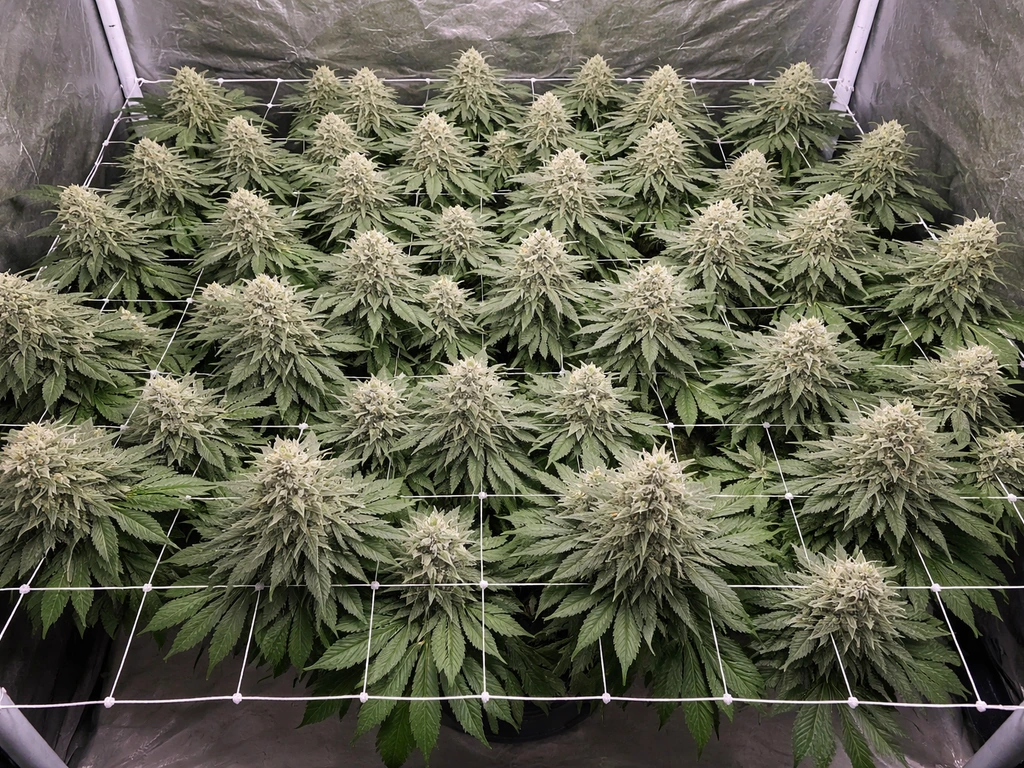
Sour Diesel is absolutely worth growing at home, but it demands respect. This is a sativa-dominant strain with a long flowering time (around 10 to 11 weeks indoors), significant vertical stretch, and a powerful odor that will make itself known to everyone in your building if you're not prepared. Get those variables under control and you're rewarded with yields of 400 to 600 grams per square meter indoors, dense fuel-and-citrus-smelling buds, and one of the most recognizable highs in cannabis. Here's exactly how to pull it off, whether you're growing in a tent in your spare room or in a garden bed in your backyard. If you want to compare it to Godfather OG specifically, follow the same focus on light, odor control, and training so you can match the strain’s growth pattern Godfather OG strain.
How to Grow Sour Diesel: Indoor and Outdoor Guide

Choosing the right Sour Diesel cut and knowing your legal basics
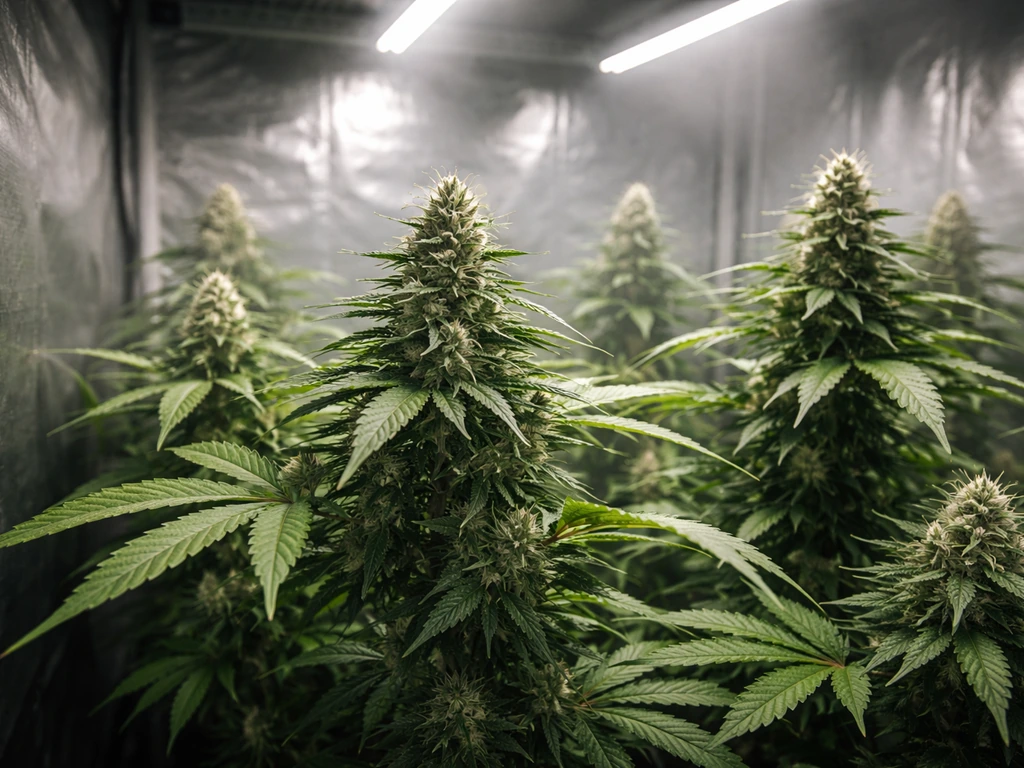
Sour Diesel has been around since the early 1990s and there are a lot of seeds and clones floating around under that name. Not all of them deliver the same results. For home growers starting from seed, look for reputable breeders who specifically list Chemdawg 91 and Super Skunk lineage in their Sour Diesel genetics. Seedbanks like Humboldt Seed Organization, Reservoir Seeds, and Barneys Farm all carry well-regarded versions. If you can access a verified clone from a dispensary or trusted grower, that's often the most reliable way to get the real deal because Sour Diesel's genetics have been passed around as clones for decades.
Before you germinate a single seed, check your local laws. Home cultivation rules vary significantly by state and country. In Ohio, for example, adult-use home growers are limited to six plants per person and no more than 12 plants at a single residence. blank" rel="noopener noreferrer">Plants must be kept in a secured, enclosed space (a closet, room, greenhouse, or similar enclosure) that prevents access by anyone under 21 and cannot be visible from any public area. Many other legal states carry similar requirements: enclosed or locked grows, plants out of public view, and sometimes explicit odor-mitigation rules. New York, for instance, specifically addresses odor control in its home cultivation guidance and blank" rel="noopener noreferrer">recommends activated carbon filtration for indoor grows. Whatever state or country you're in, look up your local regulations before you set up your space. Ignorance of the rules is not a defense, and a Sour Diesel plant in full flower is not subtle.
For odor management indoors, a carbon filter rated for your tent or room volume is non-negotiable with this strain. Outdoors, you don't have that option, so site selection matters a lot (more on that below). If you live somewhere with a homeowner's association or local ordinances around cannabis odors, plan accordingly before your plants hit week six of flower and start announcing themselves to the whole neighborhood.
Growing Sour Diesel indoors: setup, environment, and light schedule
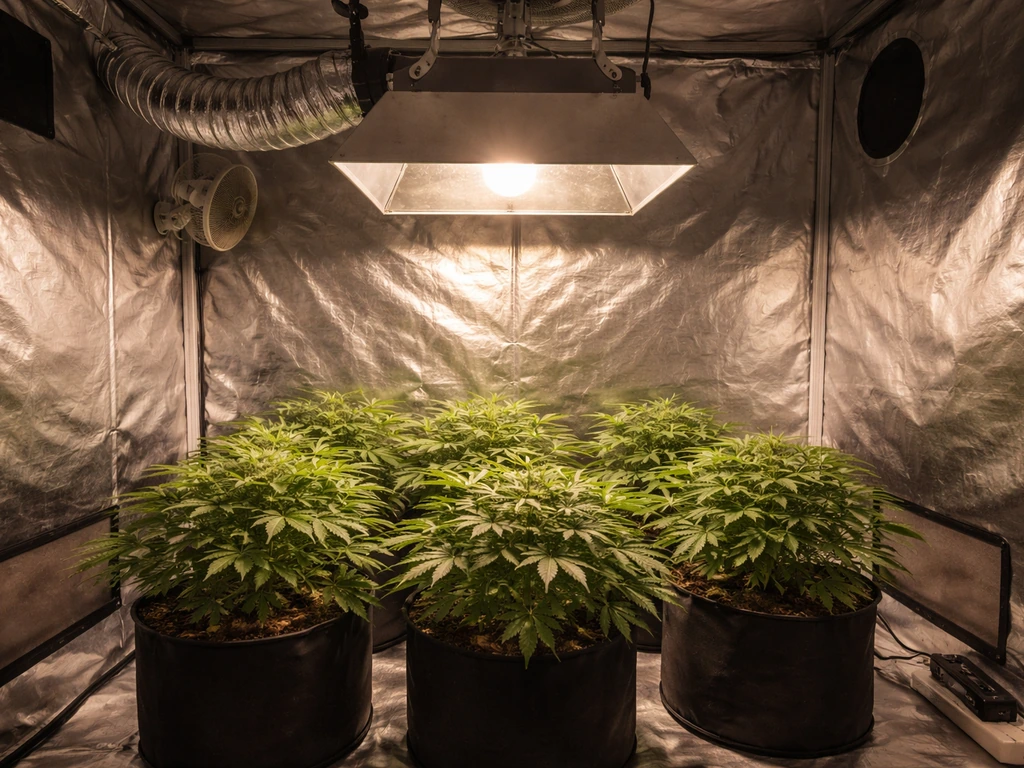
Sour Diesel performs very well indoors if you give it enough vertical space and the right light intensity. Plan for a minimum grow space of 4x4 feet per two to four plants, with at least 7 feet of ceiling height. This strain stretches aggressively in the first two to three weeks of flower, often doubling or even tripling in height from when you flip to 12/12. If your tent ceiling is only 5 feet, you will run into problems unless you train aggressively (covered in the training section below).
Lighting
For a 4x4 tent, a 600W HPS or a quality LED in the 600 to 800W true draw range (something like a Spider Farmer SF-4000 or a HLG 650R) will serve you well. Sour Diesel is a light-hungry strain that responds well to higher intensities during flower. Target 600 to 800 PPFD during vegetative growth and push up to 900 to 1,000 PPFD during peak flowering (weeks three through eight). Keep your light at the manufacturer's recommended hanging distance to avoid light burn, which on a stretchy sativa like this can happen fast if you're not watching.
Vegetative stage runs on an 18/6 light schedule (18 hours on, 6 off). Most growers veg Sour Diesel for four to six weeks from seedling stage, aiming for plants that are 12 to 18 inches tall before flipping. Flip to 12/12 to trigger flowering. Because of the stretch, I'd recommend flipping earlier rather than later. If your plants are 18 inches at flip, expect them to finish at 40 to 50 inches or more.
Airflow and odor control
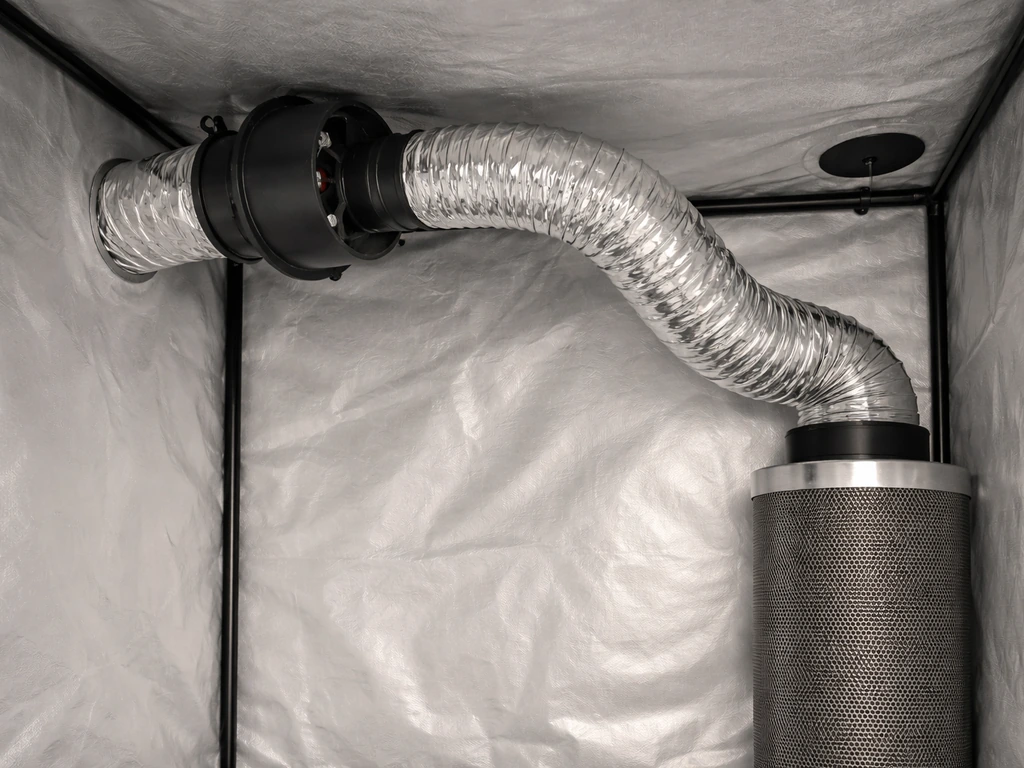
Set up an inline fan sized to move your total tent volume every one to three minutes. For a 4x4x7 tent (roughly 112 cubic feet), a 4-inch inline fan rated at 200 CFM with a matching activated carbon filter is the baseline. Add one or two oscillating fans inside the tent to keep air moving around the canopy and stems. This does double duty: it strengthens stems (important for a plant that gets tall) and reduces the stagnant air pockets that invite mold and fungus gnats. Sour Diesel in flower produces a fuel-and-skunky odor that will penetrate walls without proper filtration.
Growing Sour Diesel outdoors: climate, site selection, and planting timing
Outdoors, Sour Diesel thrives in a Mediterranean-style climate: warm, sunny summers with low humidity in the late season. USDA zones 6 through 10 are workable, but the ideal window is where you can count on frost-free weather from late May through late October. Sour Diesel finishes late outdoors (often October into early November in the Northern Hemisphere), which makes it a tough choice if your first frost arrives before Halloween. If you're in the Pacific Northwest, Northern Midwest, or the UK, you'll want to start plants early, train them aggressively to manage size, and be ready with weather protection as fall rolls in.
Start seeds indoors four to six weeks before your last frost date. In most of the continental U.S., that means germinating in late March to mid-April and transplanting outside after mid-May when nighttime temps are reliably above 50°F. For the current date of June 22, 2026: if you're in a legal state with outdoor growing, you can still start now from seed in most of the U.S. South, Southwest, and coastal California. Northern growers starting today will be racing the fall frost and should plan on auto-flowering seeds or move to an indoor setup instead.
Site selection and weather protection
Pick a spot with at least six to eight hours of direct sunlight daily, ideally south-facing. If you want the best way to grow Granddaddy Purple, focus on dialing the light, temperature, and humidity so the buds mature evenly six to eight hours of direct sunlight daily. Good air circulation around the plant matters enormously for Sour Diesel outdoors because this strain is moderately susceptible to mold during its long, late flowering period. Avoid low-lying spots where cold air settles overnight or moisture accumulates. If you're in a humid climate, space plants at least five feet apart to maximize airflow. For late-season rain protection, a simple hoop house or portable greenhouse cover can make the difference between a successful harvest and a botrytis disaster in October.
Because Sour Diesel plants can reach six to nine feet tall outdoors, think carefully about visibility and legal compliance. Most home cultivation laws require plants to not be visible from public spaces, which a nine-foot plant in your front yard clearly violates. A fenced backyard or enclosed greenhouse is your best bet both legally and practically.
VPD, temperature, humidity, watering, and nutrients from veg to flower
Temperature and humidity targets
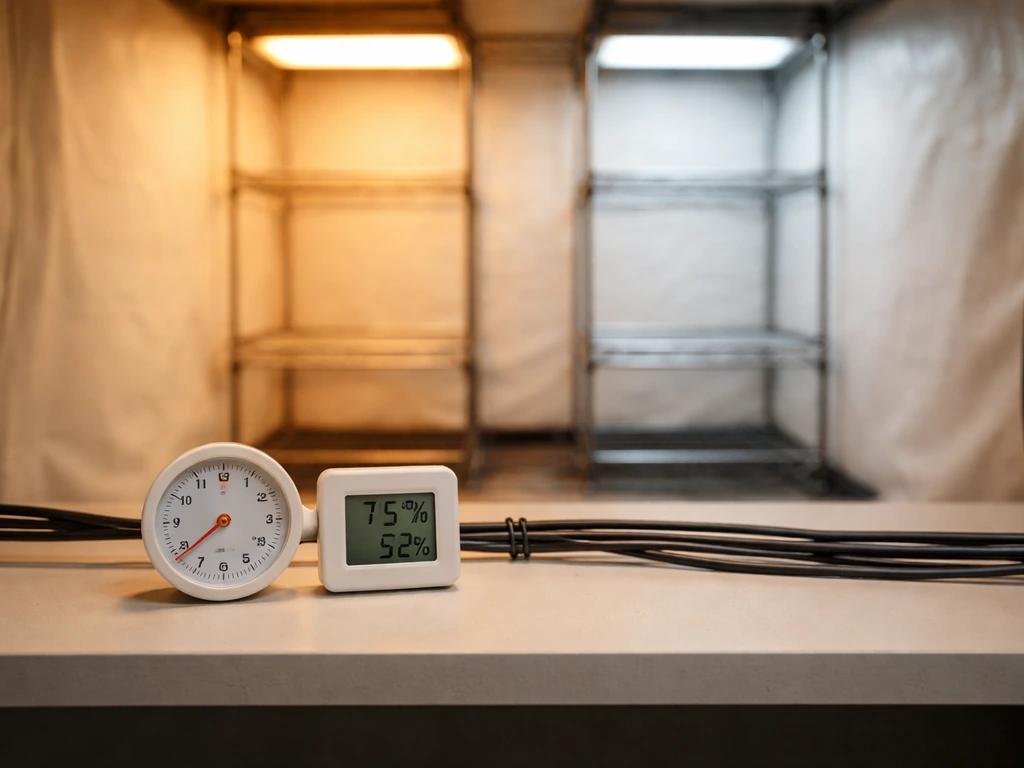
Sour Diesel likes it warm but not hot. In veg, keep your grow space between 72 and 82°F with relative humidity (RH) at 55 to 70%. As plants move into flower, dial temperatures down slightly to 68 to 78°F and drop RH gradually: start flower at 45 to 55% RH and push toward 40 to 45% in weeks seven through ten to reduce mold risk and push terpene development. Using Vapor Pressure Deficit (VPD) as your guide: target 0.8 to 1.0 kPa during veg and 1.0 to 1.5 kPa during flowering. A VPD chart paired with a decent temperature/humidity meter (an Inkbird or Govee sensor works fine) will help you dial this in without guesswork.
| Growth Stage | Temperature (°F) | RH Target | VPD Target (kPa) |
|---|---|---|---|
| Seedling | 70–78 | 65–75% | 0.4–0.8 |
| Vegetative | 72–82 | 55–70% | 0.8–1.0 |
| Early Flower (Weeks 1–4) | 70–78 | 45–55% | 1.0–1.2 |
| Late Flower (Weeks 5–10) | 68–76 | 40–45% | 1.2–1.5 |
| Final Week | 65–74 | 35–40% | 1.3–1.6 |
Watering
Water Sour Diesel when the top inch or two of your growing medium is dry. In soil, this typically means watering every two to three days during veg and every one to two days during peak flower when roots are actively drinking. Always water to 10 to 20% runoff to flush salt buildup. Keep your pH between 6.0 and 7.0 for soil (6.2 to 6.8 is the sweet spot) and 5.5 to 6.5 for coco or hydro. pH problems cause more lockouts and deficiencies than almost any other factor, and Sour Diesel is sensitive enough that you'll see it fast. I run a cheap pH pen and check every single feed.
Nutrient plan from veg through flower
Sour Diesel is a moderate to heavy feeder but it's not forgiving of nutrient burn. Start conservatively and work up. During veg, lean on nitrogen: a balanced NPK like 3-1-2 or 4-2-3 at half the recommended dose for the first two weeks, then full dose by week three. As you transition into flower, cut nitrogen and ramp up phosphorus and potassium. A bloom formula like 1-3-2 works well through mid-flower. In weeks seven and eight, add a potassium booster and calcium-magnesium supplement if you're seeing any yellowing between veins (classic magnesium deficiency, which this strain is prone to). Flush with plain pH-adjusted water for the final one to two weeks before harvest.
- Weeks 1–3 veg: half-strength balanced nutrient (N-heavy), Cal-Mag at 2–3 mL/gallon
- Weeks 4–6 veg: full-strength veg nutrients, increase Cal-Mag if showing pale interveinal yellowing
- Weeks 1–3 flower: transition to bloom formula (reduce N, increase P and K), keep Cal-Mag
- Weeks 4–7 flower: full bloom formula, add potassium booster, watch for deficiencies closely
- Weeks 8–10 flower: reduce overall feeding, add ripening/finishing formula if using one
- Final 7–14 days: plain pH-adjusted water only (flush)
Training and plant management: controlling the stretch
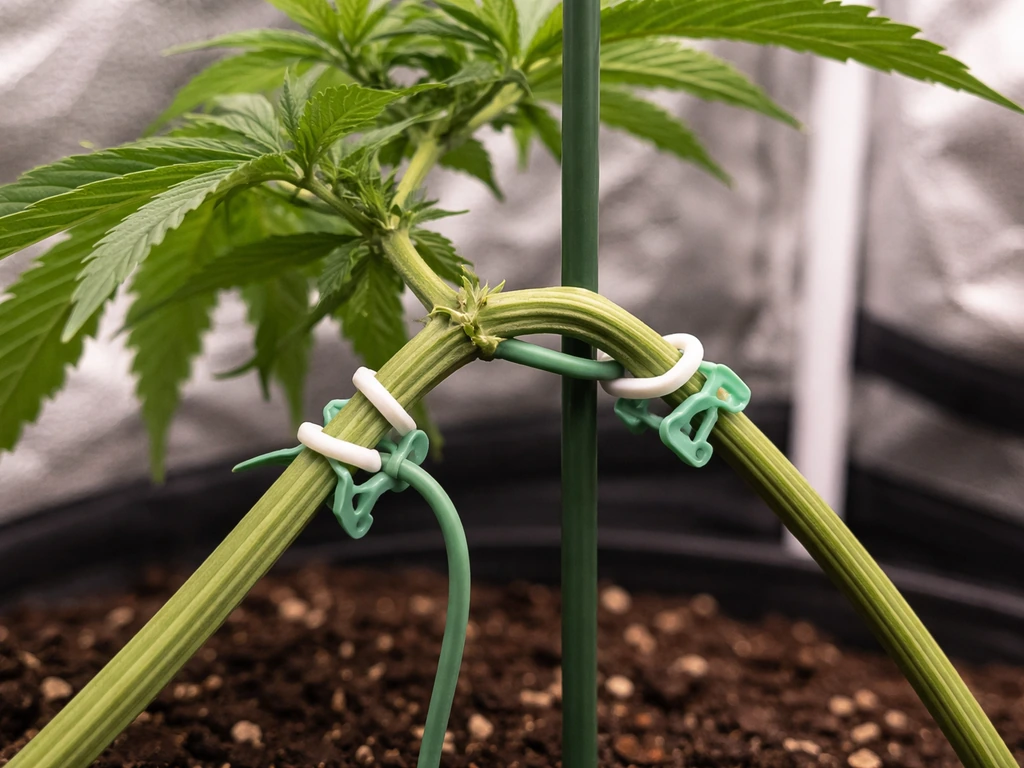
This is where Sour Diesel either becomes a manageable, productive plant or a nightmare that hits your grow light and burns the tops while leaving the lower canopy in the dark. The stretch is real and it needs to be addressed proactively, not reactively.
Low-stress training (LST)
Start LST as early as the fourth or fifth node during veg. Gently bend the main stem toward the edge of your pot and secure it with a soft tie or bend clip. As new growth reaches up, continue bending and tying to keep the canopy level and encourage multiple colas rather than one dominant tip. This dramatically improves light penetration and keeps the plant within a manageable height range. I've taken Sour Diesel plants that would have hit five feet tall and kept them under three feet with consistent LST.
Topping and mainlining
Topping (cutting the main growing tip above the third or fourth node) redirects energy into two main colas instead of one and helps create a more even, bushy structure. Do this at least two to three weeks before your planned flip date so the plant has time to recover and branch out. Some growers mainline Sour Diesel by topping twice to create four to eight main colas of equal height, which pairs beautifully with a SCROG net. This is my preferred method for indoor grows because it gives you real canopy control with a strain that otherwise wants to reach for the sky.
SCROG (Screen of Green)
A SCROG net placed 12 to 18 inches above your pots is one of the most effective ways to manage Sour Diesel's stretch indoors. During the last two to three weeks of veg, weave new growth under and through the net as it reaches the screen, spreading it horizontally. Once you flip to 12/12, let the stretch push growth above the net by no more than four to six inches, then tuck again during the first two weeks of flower. After week three of flower, stop tucking and let the buds set. This creates an even canopy with all tops at the same light distance, maximizing yield and quality.
Defoliation and lollipopping
At the flip to 12/12, remove large fan leaves blocking bud sites and strip the lower third of the plant (lollipopping) to redirect energy to the top canopy. Do a second light defoliation around week three of flower. Don't go overboard, Sour Diesel needs its fan leaves for photosynthesis and stressing it late in flower kills terpene development. Remove only what's clearly blocking light or air circulation.
Harvest timing, drying, curing, and what to expect
When to harvest
Sour Diesel runs long. Indoors, expect 10 to 11 weeks of flower from flip. Outdoors, it's usually mid to late October in the Northern Hemisphere. Don't rely on the breeder's timeframe alone, check the trichomes with a jeweler's loupe or digital microscope. You're looking for mostly cloudy white trichomes with around 10 to 20% amber for a cerebral, energetic effect (Sour Diesel's signature). More amber shifts the high toward more sedative. Most Sour Diesel fans harvest at peak cloudy to very lightly amber for maximum sativa character. The pistils (hairs on the buds) will have shifted from white to orange/red on about 70 to 80% of the surface when you're close.
Drying
Hang whole branches or place buds on drying racks in a dark room at 60 to 65°F and 55 to 60% RH. Good air circulation without direct airflow on the buds. This slow dry takes seven to fourteen days and is not a step to rush. Drying too fast (above 70°F or below 45% RH) degrades terpenes, produces a harsher smoke, and can create a hay smell that doesn't go away. Sour Diesel's fuel and citrus terps are worth protecting here.
Curing
Once buds feel dry on the outside but still have a slight give (stems snap but don't crumble), transfer to wide-mouth glass mason jars. Fill jars to about 75% capacity and burp them (open the lid for 10 to 15 minutes) two to three times daily for the first two weeks, then once daily for another two to four weeks. Use Boveda 62% humidity packs if your environment fluctuates. After four to six weeks of curing, Sour Diesel's classic diesel, lemon, and skunk aroma fully develops and the smoke becomes noticeably smoother. If you want the most accurate guidance, look for a dedicated Charlotte’s Web grow guide that covers genetics, environment, and harvest cues specifically for this strain. Rush this and you leave quality on the table.
Expected results
A well-managed indoor Sour Diesel grow in a 4x4 space with a quality LED and a SCROG setup will yield 350 to 550 grams of dried, cured flower. Outdoor plants in full sun can produce 600 grams to over a kilogram per plant given a full season. THC content typically runs 18 to 26% in quality genetics with a proper grow. The effect is predominantly cerebral and energetic, with a fuel-forward aroma that's impossible to mistake.
Troubleshooting common problems indoors and outdoors
Excessive stretch
If your plant is rocketing upward in the first two weeks of flower, lower your light (carefully, to avoid burn), drop your nighttime temperature slightly (a 10°F difference between day and night temperatures can trigger stretch, so keep it to 5°F or less), and aggressively tuck under the SCROG net. Outdoors, this is less controllable, just stake plants well before they get top-heavy and make sure your enclosure or fence gives them room to grow tall.
Nutrient deficiencies
Magnesium deficiency (interveinal yellowing starting on older leaves) is the most common issue I've seen with Sour Diesel, especially in coco or under high-intensity LEDs. Fix it with Cal-Mag at 3 to 5 mL per gallon and recheck your pH, magnesium lockout is almost always a pH problem underneath. Phosphorus deficiency (dark purpling on fan leaves, slow bud development) typically means pH is too high or temps are too cold. Nitrogen toxicity (claw-shaped dark green leaves) means you're pushing too hard on veg nutrients into flower: cut nitrogen by 50% and flush lightly.
Pests
Spider mites love warm, dry conditions, exactly what an indoor Sour Diesel grow looks like in veg. Check the undersides of leaves weekly. At the first sign (tiny dots on leaves, fine webbing), treat immediately with neem oil spray or insecticidal soap, and increase humidity slightly. Outdoors, aphids, caterpillars, and root aphids are the main threats. Diatomaceous earth around the base of outdoor plants and regular scouting go a long way. Never apply neem oil within three weeks of harvest as it affects flavor.
Mold and botrytis (gray mold)
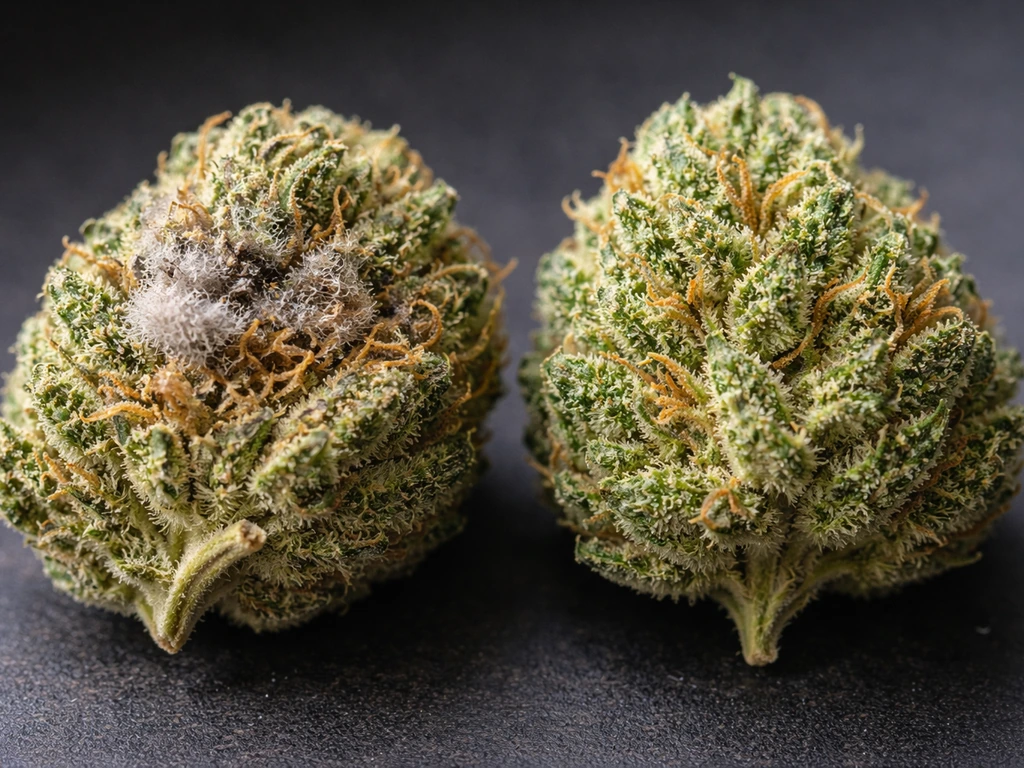
This is the biggest risk for Sour Diesel, especially outdoors in the late season and indoors if RH climbs above 50% in late flower. Botrytis (gray mold) appears as brown, mushy spots inside dense buds, by the time you see it on the outside, it's often already spread inside. Prevention is everything: keep late-flower RH below 45% indoors, run your exhaust fan continuously, and inspect outdoor plants after every rain event. If you find botrytis on an outdoor plant, remove the affected bud material immediately with clean scissors (disinfect between cuts), dispose of it away from the garden, and consider harvesting affected branches early. Do not leave infected material on the plant hoping it resolves itself. Powdery mildew (white dusty coating on leaves) is a different but related issue: improve airflow, drop humidity, and apply a diluted hydrogen peroxide spray (3 mL of 3% H2O2 per liter of water) to affected areas.
Indoor humidity spikes
If your RH keeps climbing above 55% in late flower indoors despite your exhaust fan running, add a standalone dehumidifier inside or just outside your tent. Size it to your room volume, not just your tent. A 30-pint unit handles most spare-room setups. Running your lights at night and keeping them off during the warmer daytime hours can also help manage both heat and humidity if your space gets warm. Sour Diesel's dense, elongated buds hold moisture in their cores, making mold a genuine risk if you let late-flower humidity slide.
Growing Sour Diesel is genuinely one of the more rewarding projects in home cannabis cultivation, and it follows the same core principles you'd apply to other classic strains. If you've grown or researched something like Granddaddy Purple or Cookies, you'll notice Sour Diesel demands more height management and a longer finish than those indica-leaning varieties, but the same attention to environment, training, and harvest timing applies across the board. Nail the stretch control, keep your late-flower humidity tight, and give it a proper slow cure, and you'll have one of the most recognized strains in cannabis history growing right in your own home.
FAQ
How can I tell if my Sour Diesel seed is the “real” Chemdawg 91 and Super Skunk lineage, not just a relabeled batch?
Look for a breeder or seedbank that publishes parentage details, not only a marketing description. Even with reputable sellers, genotype variation is normal in seed, so your best confirmation is phenotype consistency across a few plants (same stretch pattern, similar terpene profile, and comparable flower structure). If you want the highest certainty, start from a verified clone and only use seeds from the same vendor line for future runs.
Should I use an auto-flowering or photoperiod approach for Sour Diesel if my outdoor season is short?
If your fall frost risk is high, photoperiod Sour Diesel can become a gamble because it often finishes in mid to late October or later. Autos reduce that timing dependency but usually come with less size control and different expectations for yield. A practical middle path is starting early under protection (hoop house or covered seedling zone) and switching your plan to a shorter indoor grow if early cold snaps appear.
What’s the safest way to reduce Sour Diesel stretch if my plants are already too tall before I can train them further?
First, check whether your light intensity is too high and whether temperatures are causing extra internodal spacing (especially a big day to night temperature swing). Then adjust training immediately by increasing SCROG tucking frequency, using additional tie downs to flatten the canopy, and removing only fan leaves that clearly block airflow and light. Avoid drastic light schedule changes mid-flower unless you are prepared for stress and uneven development.
How do I set up odor control if I’m growing in a room with a window or shared HVAC?
Treat odor control as a “whole air path” problem, not just a tent filter. Make sure all exhaust air passes through the carbon filter, and seal ducting connections so there are no leaks. If you share air with a ventilation system, position your grow so exhaust does not pull unfiltered air into common areas, and consider adding passive charcoal in pre-filtering zones (like the intake area) to catch bypass odors.
Do I need to run CO2 for Sour Diesel to hit high yields, or is lighting and VPD enough?
For most home grows, correct lighting, adequate canopy management, and stable VPD matter more than CO2. CO2 can help, but only if your system is sealed enough to maintain enrichment and your ventilation timing is tuned. If you are not measuring CO2 and controlling the space tightly, skipping CO2 is the lower-risk choice.
When should I start worrying about nutrient burn versus nutrient deficiency in late flower?
Nutrient burn often shows up quickly as tip burn, darkening, and crisp leaf edges, while deficiency usually appears more gradually as pale or yellowing leaves. In late flower, prioritize pH stability and avoid aggressive feeding changes, because Sour Diesel is sensitive and dense buds trap moisture and residues. If you see problems near peak flowering, a common safe response is to reduce nutrient strength and focus on runoff and pH rather than adding more additives.
Is the “final flush” necessary for Sour Diesel, and what if I’m in coco or hydro?
A final flush can help clear accumulated salts, especially if you are seeing edge burn or pH drift. In coco, many growers instead use consistent, properly buffered water and moderate feed reduction rather than a long aggressive flush. The key is verifying your runoff pH and EC, then adjusting feeding gradually so you do not shock roots right as the plant is loading final bud mass.
What’s the most common reason trichomes never reach the amber range people expect?
Usually it’s harvesting too early or genetics finishing at different speeds. Check maturity by trichome appearance, not pistil color alone, since pistils can turn orange before trichomes are fully developed. Also ensure late-flower conditions stay stable, because prolonged stress (humidity spikes, nutrient instability, or temperature swings) can stall ripening.
How can I prevent mold inside dense Sour Diesel buds during curing, not just during drying?
During curing, burp schedules and jar fill level matter. Avoid overfilling jars, do not let RH stay too high, and keep a close eye for any musty smell or visible spotting. If your jars consistently run above your target RH, increase burp frequency or ensure your curing room is not humid. Remove any contaminated material immediately to stop spread.
What should I do if I spot spider mites or fungus gnats after flowering has started?
Act fast, because dense bud structure makes infestations harder to treat later. For mites, the best approach is immediate spot treatment with a low-residue method you can control, and increase leaf inspection frequency. For fungus gnats, address the root cause by drying the top layer appropriately and managing moisture, since adults are less important than larvae in the medium. Avoid heavy spraying late in flower unless you are confident it won’t impact flavor and timing.
How should I adjust my plan if Sour Diesel throws uneven canopy heights under a SCROG?
Uneven canopy usually comes from inconsistent tucking timing or side branches being left behind. During the last two to three weeks of veg, ensure new growth is woven through the net early enough that it gets time to travel and level. If some shoots are already tall and others are lagging at flip, use targeted tie downs to keep tops within a narrow height band rather than continuing to tuck everything equally.
How to Grow 1 Pound Per Plant: Yield Guide for Beginners
Step-by-step plan to grow ~1 lb per plant using strain choice, light, training, feeding, and troubleshooting for beginne