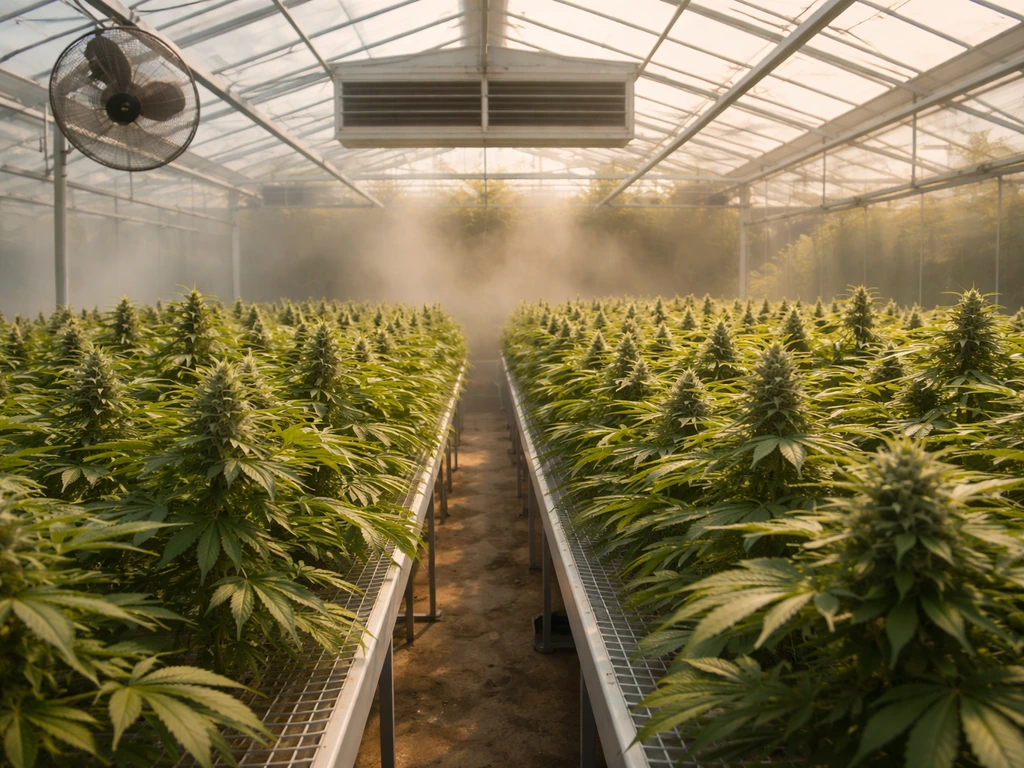
Most home growers are looking at 10 to 20 weeks from seed to harvest, depending on whether you're growing an autoflower or a photoperiod strain, and whether you're growing indoors or out. Autoflowers tend to finish in 10 to 14 weeks total. Photoperiod plants take longer because you control when flowering starts, usually 8 to 16 weeks of vegetative growth followed by 8 to 10 weeks of flowering, putting you somewhere between 16 and 26 weeks all in. Those are wide ranges, but the good news is that once you know your strain and your setup, you can narrow it down significantly. Knowing these indoor stage times is the key to answering how long does a weed plant take to grow indoors for your specific strain and setup.
How Many Weeks to Grow Weed Indoors and Outdoors

Marcus Holbrook
21 Jun 2026
The growth timeline, stage by stage
Cannabis moves through four main phases from seed to chop. Each one has a predictable duration, and understanding them lets you build a realistic timeline for your own grow rather than guessing.
Germination and seedling: weeks 1 to 3
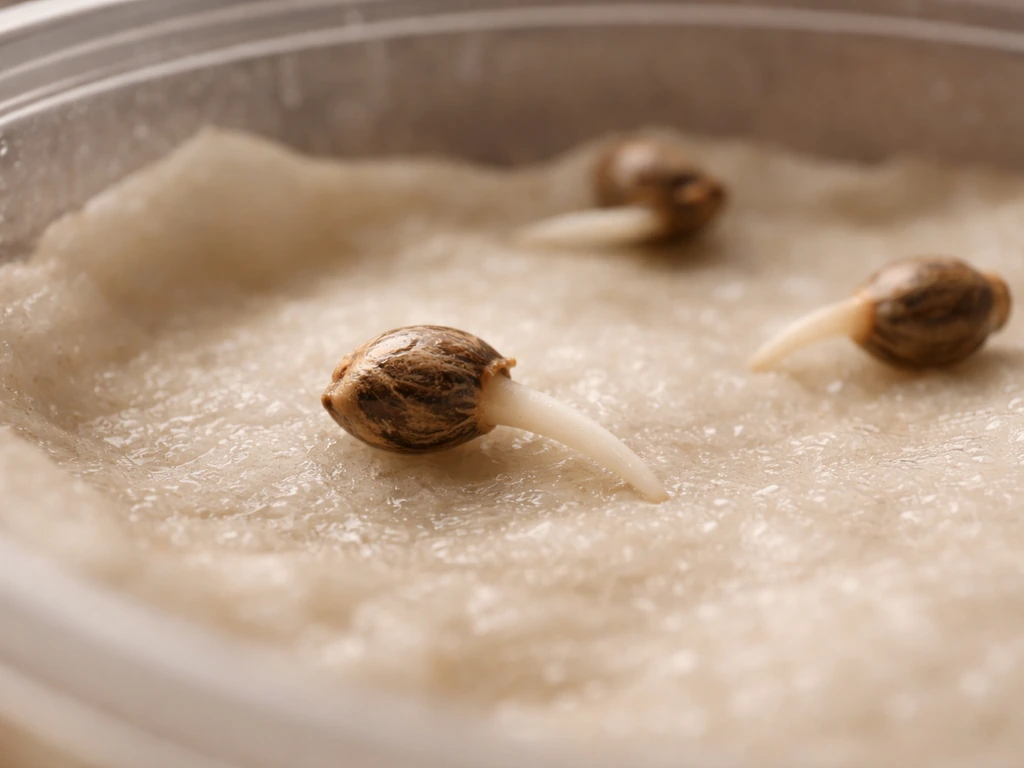
Germination typically takes 24 to 72 hours when done correctly (paper towel method, warm and dark). Once the taproot appears and you've transplanted into your medium, the seedling phase runs for about 2 to 3 weeks. If you want a quick sense of how many days to grow weed from seed to harvest, those early seedling and germination windows are the baseline to start from. During this time the plant is tiny, delicate, and focused entirely on establishing roots and growing its first few sets of leaves. Overwatering kills more seedlings than anything else at this stage, so water lightly and let the medium dry between waterings. Nutrient needs are basically zero for the first week or two if you're in a quality potting mix.
Vegetative phase: weeks 3 to 8 (or longer)
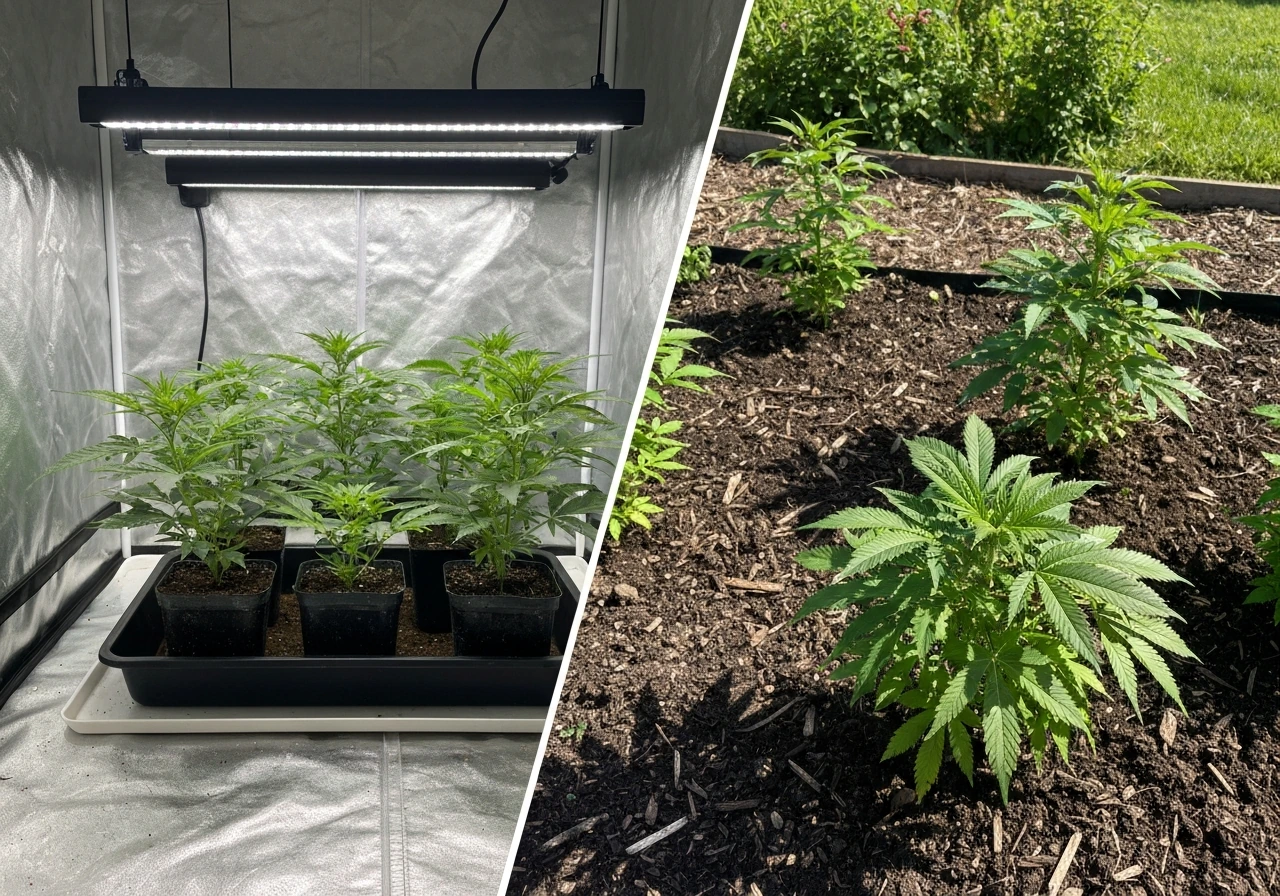
Once the seedling has established a few nodes and starts growing rapidly, you're in veg. This is when the plant builds its structure: stems, branches, and the canopy that will eventually hold your buds. Indoors on an 18/6 light schedule, photoperiod plants stay in veg indefinitely until you flip to 12/12. Most indoor growers veg for 4 to 8 weeks, though you can go shorter for a small plant or longer for a big yield. Outdoors, the plant vegs naturally through spring and early summer while day length stays long. Autoflowers skip this decision entirely, they flip on their own internal timer at roughly 3 to 4 weeks regardless of light schedule.
Flowering phase: weeks 8 to 18 (from flip)
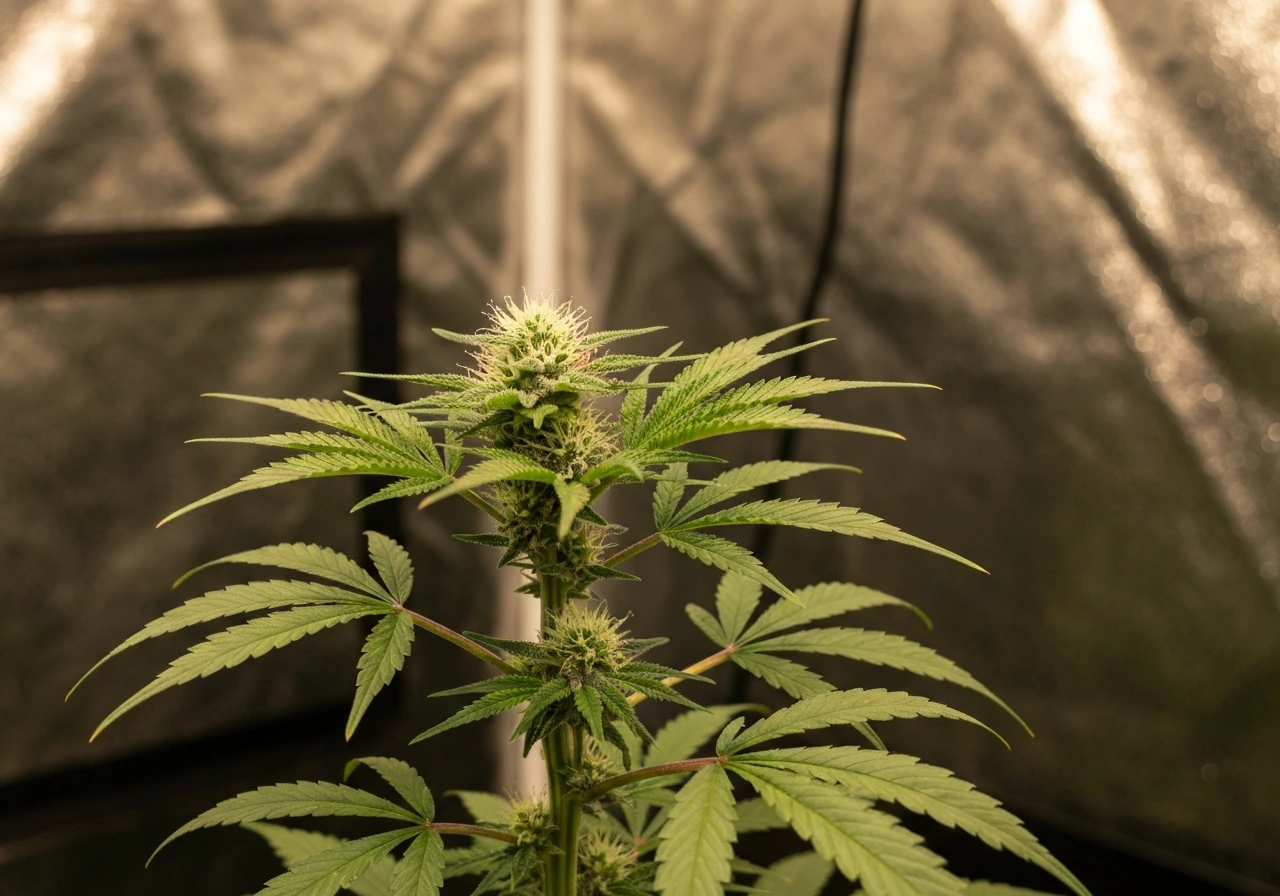
For photoperiod plants indoors, flowering begins when you switch the lights to 12 hours on and 12 hours off. The plant won't actually start building real buds right away though, there's a transition period of about 2 to 3 weeks where it stretches and shows its sex before the flowers start stacking. After that transition, most indica-dominant and hybrid strains take 8 to 10 weeks to finish. BudTrainer notes that for photoperiod cannabis, the flowering stage is typically about an 8 to 10 week period, and it recommends using trichome maturity rather than calendar time when deciding when to chop. Some fast-finishing strains can be done in as little as 6 weeks from flip; some sativa-heavy strains push 14 weeks or more. If you're putting a plant straight onto 12/12 from a seedling, expect it to still need at least 3 to 4 weeks before budding gets underway properly. Outdoors, flowering kicks off naturally as days shorten, generally around the summer solstice and into late summer, with most outdoor plants ready for harvest between September and November in the Northern Hemisphere.
Harvest, drying, and curing
Harvest is a single day, but what comes after matters just as much as the grow itself. Drying typically takes 7 to 14 days in a controlled environment (60 to 65°F, 55 to 60% humidity), and curing in sealed jars runs for a minimum of 2 to 4 weeks to develop flavor and smooth out the smoke. If you're planning your timeline to include usable product at the end, add at least 3 to 5 weeks post-harvest before you're actually done.
Indoor vs outdoor: how the timelines actually compare
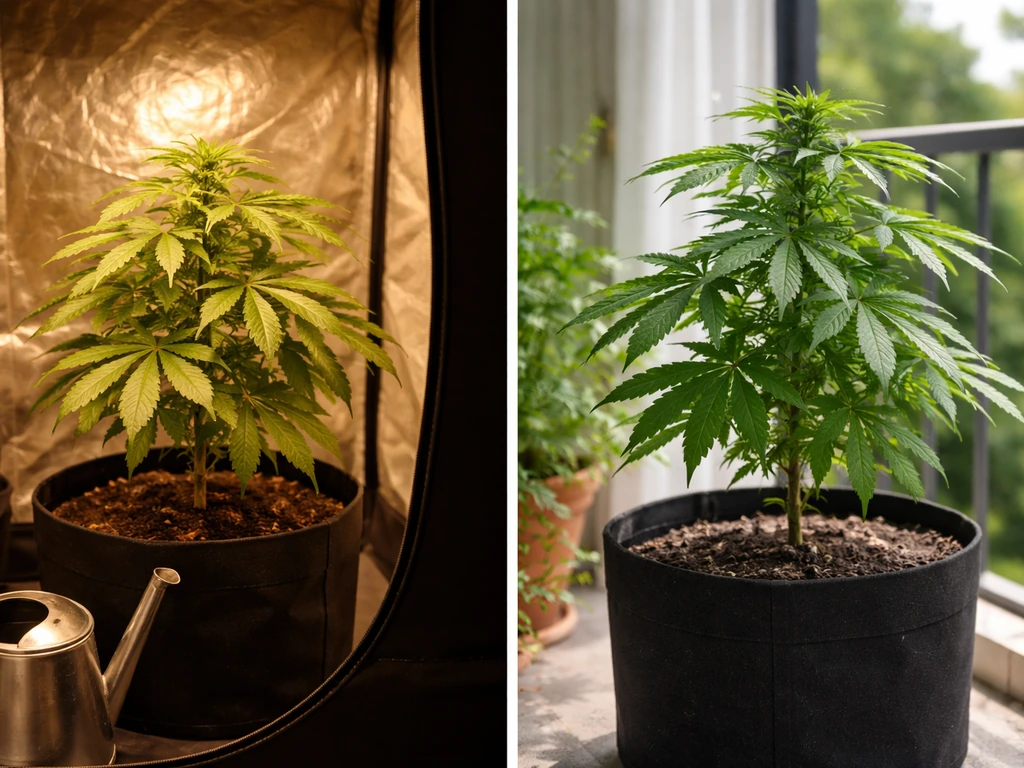
| Phase | Indoor (Photoperiod) | Indoor (Autoflower) | Outdoor (Photoperiod) |
|---|---|---|---|
| Germination + Seedling | 1–3 weeks | 1–3 weeks | 1–3 weeks |
| Vegetative | 4–8 weeks (you control) | 3–4 weeks (automatic) | Spring through midsummer |
| Flowering | 8–10 weeks (6–14+ depending on strain) | 5–7 weeks | 8–11 weeks (Sept–Nov harvest) |
| Total Seed to Harvest | 16–26 weeks | 10–14 weeks | 24–32 weeks (seasonal) |
| Post-Harvest (dry + cure) | 3–5 weeks | 3–5 weeks | 3–5 weeks |
Indoor growing gives you full control over when flowering starts, which means you can dial in the timing around your schedule. Outdoor growing is tied to the sun, so you're working with whatever your climate delivers. Greenhouse growing lands in between, you can use light deprivation techniques to trigger flowering earlier, which effectively compresses the outdoor timeline. If you're curious about that approach specifically, greenhouse cultivation is worth exploring as its own topic.
What actually changes your total grow time
Strain genetics
This is the biggest variable. An indica-dominant strain like a Blueberry or OG Kush typically finishes flowering in 8 to 9 weeks. A sativa-heavy strain like a Haze can run 12 to 14 weeks in flower. If you want a predictable, faster grow, look for strains described as 8-week flowering or fast-flowering on the seed bank listing. Autoflowering strains (which cross Cannabis ruderalis genetics into their lineage) flower based on age rather than light, which makes them the fastest option for most home growers, typically 70 to 90 days seed to harvest.
Photoperiod vs autoflower
This is the second biggest factor. Photoperiod plants give you flexibility, you decide when to flip to 12/12, and a longer veg period means a bigger plant and potentially a bigger yield. Autoflowers are faster and simpler but offer less control. If someone wants to know how to grow weed in 60 days or finish a full cycle in roughly 3 months, autoflowers are almost always the answer. If you want the overall timeline, use this to estimate how long to grow weed from seed to harvest based on your strain and method how to grow weed in 60 days. For photoperiod grows, you can shorten the timeline by vegging for only 3 to 4 weeks, but your plants will be smaller and yields will be lower.
How long you let the plant veg
For photoperiod plants specifically, vegetative duration is entirely your choice and it's probably the biggest lever you have on total grow length. In a greenhouse, the same stage-based timeline applies, but your exact total grow length depends on temperatures, light, and how long you keep the plants in veg greenhouse grow timeline. A 4-week veg gets you a small plant. An 8-week veg can fill a 4x4 tent. Some growers run 12 to 16 weeks of veg to build massive plants, though that's more common for outdoor grows or experienced cultivators. For a first indoor grow, 4 to 6 weeks of veg is a solid middle ground that balances time, space, and yield.
Environment and growing method
Plants in well-optimized conditions, proper temperature (70 to 85°F during lights on), humidity (40 to 60% in veg, 40 to 50% in flower), strong light, and correct nutrients, grow on schedule. Suboptimal conditions slow everything down. Hydroponic grows often shave 1 to 2 weeks off total veg time because of faster root development and more efficient nutrient uptake. Soil grows are more forgiving but slightly slower. Coco coir lands between the two.
Don't harvest by the calendar, watch the plant
Strain breeders give you an estimated flowering time, and that estimate is genuinely useful as a starting point. But you should never chop based on the date alone. The most reliable method is checking trichomes with a jeweler's loupe (30x to 60x magnification) or a digital microscope. Here's what to look for on the bud trichomes (not the sugar leaves, which mature faster):
- Clear trichomes: too early, THC not yet developed, harvest here and you'll be disappointed
- Mostly cloudy/milky white trichomes: peak THC content, more cerebral and energetic effect, most growers' sweet spot
- Mix of cloudy and amber (around 10 to 30% amber): slightly more relaxing effect, slight degradation of THC to CBN beginning
- Mostly amber: heavier, more sedative effect, some potency has degraded — usually too late for most goals
Alongside trichomes, watch the pistils (the white hairs on the buds). If you’re using trichome appearance to choose harvest timing, Grow Weed Easy notes that buds at peak THC are often milky or cloudy, and harvesting earlier (clear-to-milky/mostly cloudy) can give a more heady profile while later harvests with more amber tend to feel more relaxing trichomes with a jeweler's loupe (30x to 60x magnification). When about 70 to 80% of pistils have darkened and curled inward, you're in the harvest window. Also look for the natural fade, leaves yellowing and dropping as the plant finishes pulling nutrients back into the flowers is a good sign of late flowering, not a problem. These three signals together (trichomes, pistils, fade) give you a much more accurate harvest timing than any calendar. The specific number of weeks is a rough guide; the plant tells you the real answer.
Why your grow might be running longer than expected
I've had grows run 2 to 3 weeks over the breeder's estimate, and almost every time it came down to one of these issues:
- Slow vegetative growth: often caused by overwatering, low light intensity, root-bound containers, or cool temperatures. Plants that enter flower underdeveloped will take longer to produce full buds.
- Light problems: insufficient PPFD (light intensity reaching the canopy) slows both veg and flowering. A cheap or underpowered grow light is a common culprit for indoor timelines creeping out.
- Temperature extremes: anything consistently below 60°F or above 90°F stresses the plant and slows growth. Night temps dropping too low in flower is a very common delay factor.
- Nutrient or pH problems: cannabis is highly sensitive to pH. Soil grows need pH between 6.0 and 7.0; hydro needs 5.5 to 6.5. Outside those ranges, plants lock out nutrients even if you're feeding correctly, and the resulting deficiencies slow everything down.
- Transplant shock or physical stress: topping, LST, or transplanting too late into flower can pause development for a week or more.
- Light leaks (photoperiod plants): even small light leaks during the dark period can confuse the plant's flowering signal and cause re-vegging or hermaphroditism, both of which destroy your timeline.
If your grow seems stuck or behind, check these in order. If you want to budget, figuring out how much to grow cannabis depends on your space, lights, and how long each phase runs for your specific strain and setup. Fix the environment before adjusting nutrients, most slow-grow issues are environmental, not feeding problems.
How to estimate your harvest date right now
Here's a simple way to work out your likely harvest window from wherever you are today. You need two things: which stage your plant is in, and roughly how long it's been there.
- Find out how many weeks of flowering your strain is rated for (this is on the seed packet or seed bank page — look for 'flowering time').
- If you haven't flipped yet (or if you're growing autoflowers, note the date you planted the seed): count forward the expected veg weeks remaining, then add the full flowering time.
- If you've already flipped to 12/12, count how many weeks you're into flower, subtract that from the expected flowering duration, and that's your remaining flower weeks.
- Add 2 to 3 weeks buffer — real grows almost always run a little long, especially on your first run.
- Add 3 to 5 weeks post-harvest for drying and at least a minimum cure before the product is at its best.
Example: Today is June 21, 2026. You're growing an indoor photoperiod strain rated at 9 weeks flowering, and you flipped to 12/12 two weeks ago. You have roughly 7 weeks of flower remaining, plus 2 weeks buffer, plus 4 weeks drying and curing. That puts your fully cured product ready around late October to early November. Use that estimate loosely, then let the trichomes make the final call.
Fast grows vs longer grows: what you actually trade off
Speed and yield pull in opposite directions in cannabis cultivation, and it's worth being honest about what you give up when you rush.
| Approach | Timeline | Yield Potential | Quality Notes |
|---|---|---|---|
| Autoflower, seed to harvest | 10–14 weeks | Lower (smaller plants) | Good quality, less room to push genetics |
| Photoperiod, short veg (3–4 weeks) | 14–18 weeks | Moderate | Solid quality, faster turnover |
| Photoperiod, standard veg (6–8 weeks) | 18–22 weeks | High | Best balance of time and yield for most growers |
| Photoperiod, long veg (10–16 weeks) | 24–32 weeks | Very high | Maximum yield, requires more space and experience |
| Harvest early (clear/early cloudy trichomes) | Saves 1–2 weeks | Slightly lower | Reduced potency, harsher taste |
| Harvest late (mostly amber trichomes) | Adds 1–2 weeks | No gain | More sedative, some potency degraded |
If you're a first-time grower, a photoperiod strain with a 5 to 6 week veg and 8 to 9 week flower is probably the best starting point, long enough to learn from but not so long you're waiting 8 months. If you are trying to hit a target like how to grow weed in 3 months, focus on genetics and harvest timing, and expect that curing still takes extra time after drying. Autoflowers are a great choice if you want to run multiple harvests per year or just want a simpler first grow with less risk from light schedule mistakes.
One thing that gets overlooked: curing time is not optional if you want the best result from your grow. Buds that have gone through even 2 to 4 weeks of proper jar curing (burping daily for the first week) are noticeably smoother and more flavorful than buds smoked fresh off the dry rack. For a goal like how to grow weed in 60 days, you still need to plan for the full flowering and post-harvest timeline, not just the early stages dry rack. If you're putting 16 weeks into a grow, give it another 4 weeks to cure properly. The total investment is worth it.
A note on legal compliance
Home cultivation rules vary widely by jurisdiction. Some places allow a specific number of plants per household, others require registration, and some prohibit home growing entirely. Before you start your grow, check your local laws, including plant count limits, whether you need to keep plants out of public view, and any rules around possession of harvested product. Growing within the rules protects you and keeps the broader community of home cultivators in a better position over time. This site assumes you're growing legally wherever you are.
FAQ
Is the “how many weeks to grow weed” timeline from seed to harvest, or seed to smoke-ready?...
It depends on what you mean by “done.” If you mean first harvest day, most home grows are about 10 to 20 weeks from seed (autoflower 10 to 14 weeks, photoperiod 16 to 26 weeks). If you mean smoke-ready after drying and curing, add roughly 3 to 5 weeks after harvest day for curing, beyond the 7 to 14 day dry window.
Why do my plants take longer than the seed bank’s stated flowering time?
No. Breeder flowering weeks usually count from the real start of flowering (after the switch plus transition), not from when you first flip the lights to 12/12 or from transplant day. Expect the plant to take an extra 2 to 3 weeks of stretch and early bud development before trichomes ramp up.
What causes slow growth even if I’m following the schedule?
Seedlings can be delayed without being “wrong.” Common causes are cold temps (below the low 70s °F range during lights on), consistently wet media, and low light intensity. Any of these can stretch germination or slow early leaf/root development, which then pushes every later phase back.
If my grow is behind, should I adjust nutrients or something else first?
If you’re behind schedule, change environment first (temperature, humidity, light intensity, and watering frequency). Only adjust nutrients after the plant is behaving normally, because overfeeding or inconsistent feeding can create additional setbacks that look like “slow growth” but are actually stress responses.
How much faster is hydroponic compared to soil or coco for the total timeline?
Hydro often shortens only parts of the process, mainly veg duration and early root establishment, but it can also increase risk if you overcorrect pH or nutrient strength. Many growers see about 1 to 2 weeks shaved off veg time, but the flowering and maturation windows still vary by strain and conditions.
Can I truly finish a photoperiod or autoflower in 3 months end-to-end?
A common mistake is assuming “3 months” means fully cured. Even with a fast run, you still need drying and curing to get the best smoke, so “calendar finish” should include drying (about 7 to 14 days) plus jar time (minimum 2 to 4 weeks, often more).
What should I use to decide chop time if weeks are only estimates?
Pick harvest readiness indicators, not the flip date. Use a loupe or digital microscope to check bud trichomes, confirm with the pistil stage (most darkened and curled), and also look for fade as a late-stage sign. This prevents chopping early because your indoor clock looks “right.”
If I want several harvests per year, should I choose autoflowers or photoperiods?
Yes. If you want multiple harvests per year, the simplest method is autoflowers because they flip on an age-based timer, not a light-cycle decision. Photoperiods can also be scheduled, but you typically need multiple rounds with controlled light timing or extra space, and delays in one round can cascade.
How do I estimate my harvest window if I’m already partway through the grow?
If you’re trying to use the “weeks remaining” approach, include the transition time after flipping and include drying and curing. A safer method is: estimate remaining flower time (from flip to mature window) plus about 2 to 3 weeks buffer, then add drying and curing before declaring “done.”
What light mistakes most often add extra weeks to a photoperiod grow?
Changing light schedules after you think you’re done can stress the plant and affect bud development. For photoperiods, keep the light cycle stable during flowering (12/12) and avoid frequent interruptions, because inconsistent light can cause abnormal flowering or extended timelines.
Why do outdoor grows take different weeks than the usual September to November range?
Outdoors, timeline shifts with climate and weather. If summer ends early, the days shorten faster than expected, and cold nights can slow late flowering, pushing readiness later and increasing variability. Plan for your local harvest window rather than assuming September to November fits every year.
How does greenhouse light deprivation change the weeks-to-harvest timeline?
If you’re growing in a greenhouse, you can effectively “compress” the outdoor timeline with light deprivation to trigger flowering earlier. Just be aware that you’re trading one variable (sun seasonality) for another (how consistently you can control darkness and prevent light leaks).
Next Article
How to Grow Weed in a Greenhouse: Step-by-Step Guide
Step-by-step greenhouse cannabis guide: setup, temps, RH, watering, nutrients, training, flowering, pest and mold contro