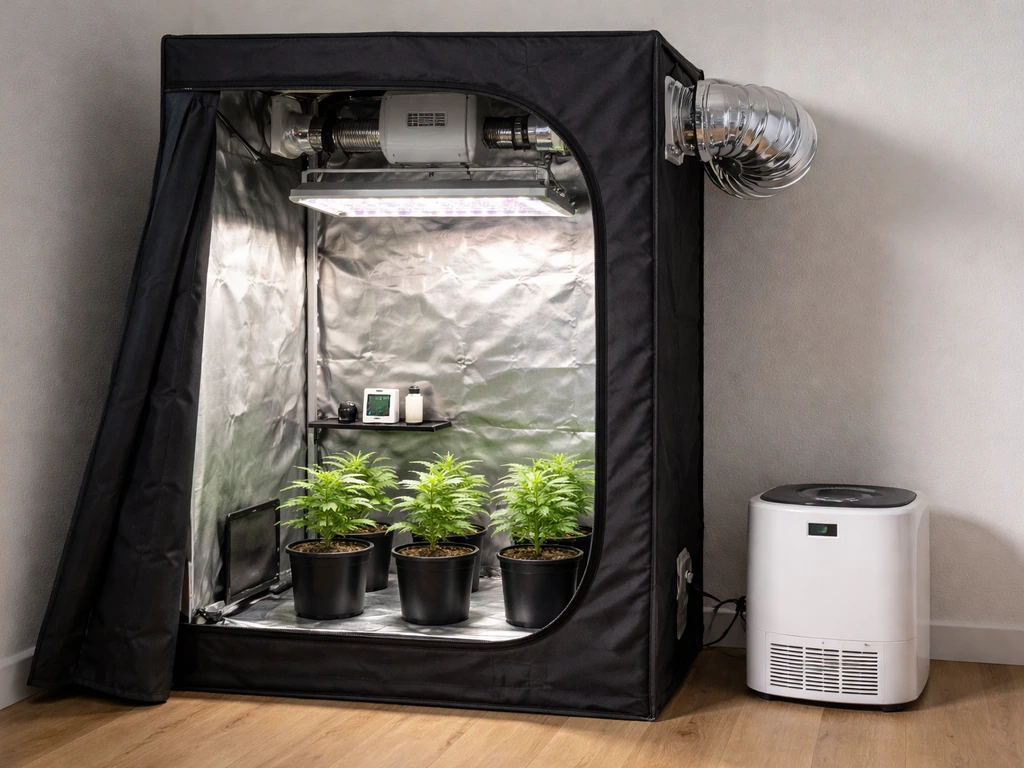
OG Kush is a rewarding strain to grow, but it demands respect. It can double in height during early flower, drop into bud rot faster than almost any other strain if humidity climbs, and punish you hard for pH drift. Get those three things right and you are most of the way there.
How to Grow OG Kush Step by Step Indoor and Outdoor Tips

Marcus Holbrook
4 Jun 2026
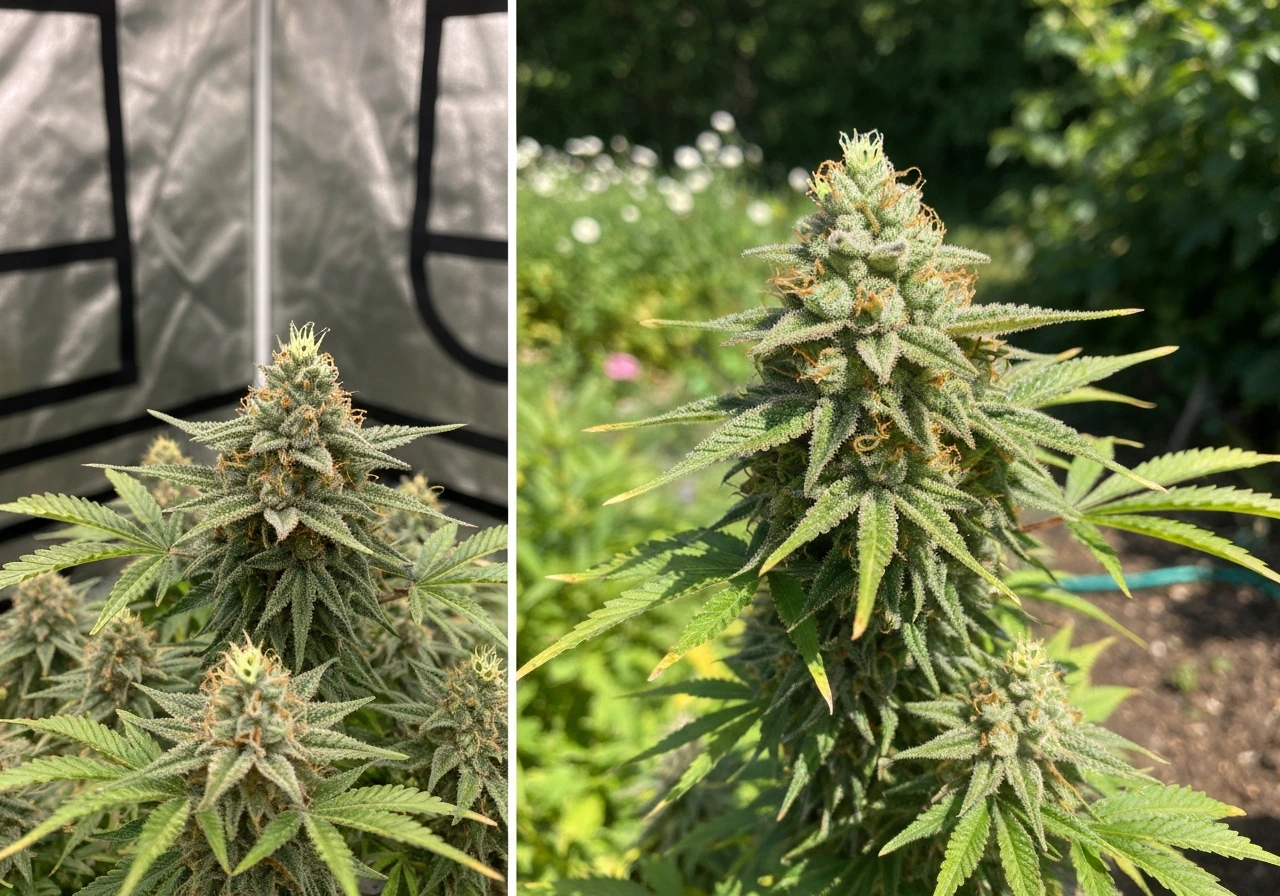
This guide walks you through every stage from picking your seeds or clones all the way to harvest, with real environment targets, feeding numbers, and troubleshooting for the problems OG Kush growers actually hit. If you are wondering how do you grow kush successfully, focus on environment control, pH stability, and bud-rot prevention from day one. Before you start, check your local laws.
Home cultivation rules vary enormously by country, state, and even city, and it is your responsibility to make sure your grow is legal where you live. If you are specifically aiming to grow kosher Kush, the same core OG Kush techniques for light, humidity, pH, and timing apply, with extra attention to your source and legal cultivation requirements how to grow kosher Kush.
Getting OG Kush: picking your phenotype, seeds, or clones
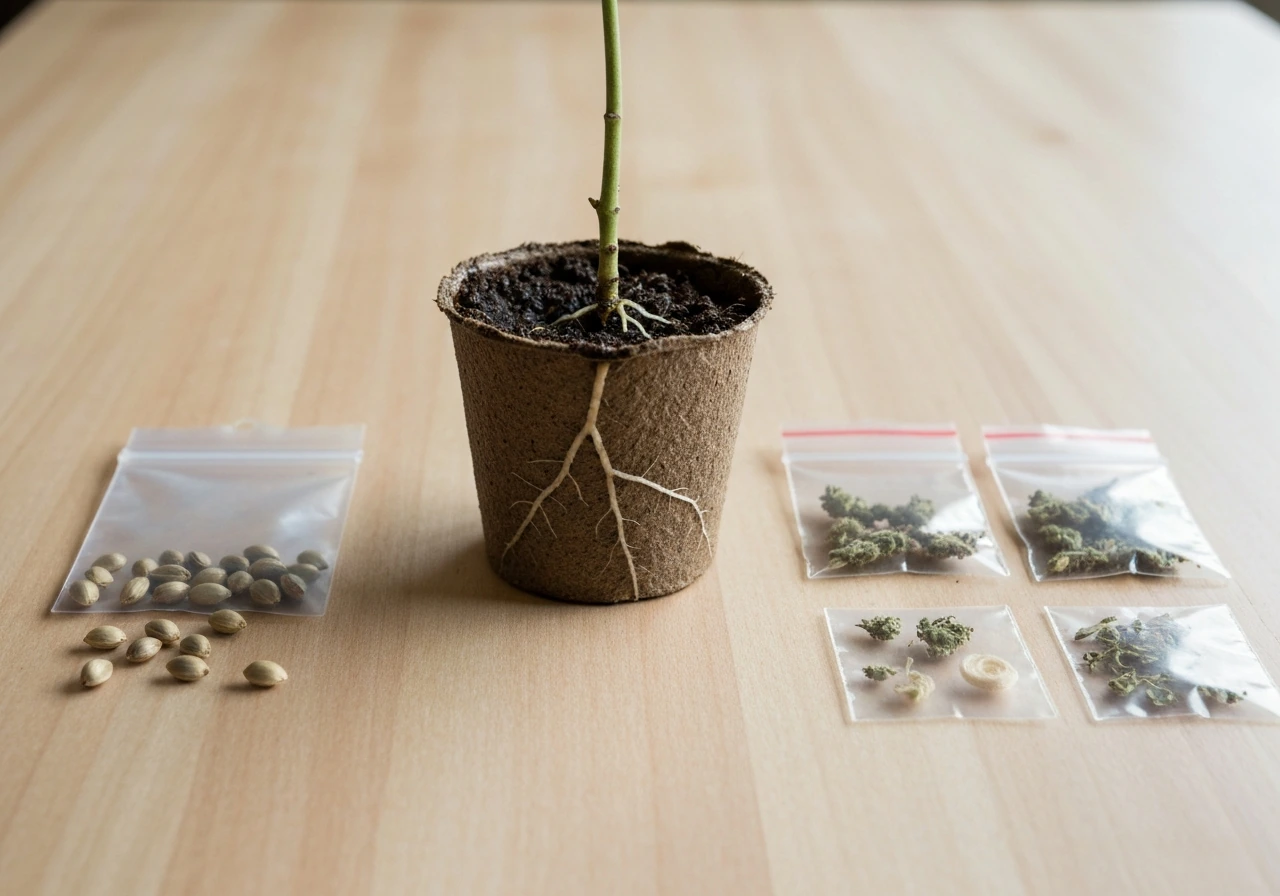
The first thing to understand about OG Kush is that it is not a single, genetically locked cultivar. The name covers a range of phenotypes that can behave pretty differently in your grow room. Some lean leaner and finish closer to 8 weeks. Others are fuller, heavier expressions that push 10 to 11 weeks. When you are buying seeds or sourcing a clone, ask about the specific lineage and expected finish time, because vague "OG Kush" can mean a lot of things.
For most beginners, feminized photoperiod seeds from a reputable breeder are the easiest entry point. You get consistent sex without worrying about males, and you have full control over the veg-to-flower flip. Autoflowering OG Kush versions exist, but they limit your training window significantly. Clones are a great shortcut if you can source them from a trusted local grower or dispensary (where legal), since you already know the sex and phenotype behavior. Just quarantine any clone for at least a week before it goes near your main grow to check for pests.
When comparing phenotypes, pay attention to reported stretch, node spacing, and finish time from whoever sold you the genetics. A "lanky, vine-like" OG will need more trellis planning than a compact one. Knowing this upfront saves a lot of reactive problem-solving later.
Set up for success: indoor, outdoor, or hydroponic
OG Kush works across all three main growing methods, and the best one is simply whichever fits your situation and legal setup. Each has a different baseline workflow.
Indoor
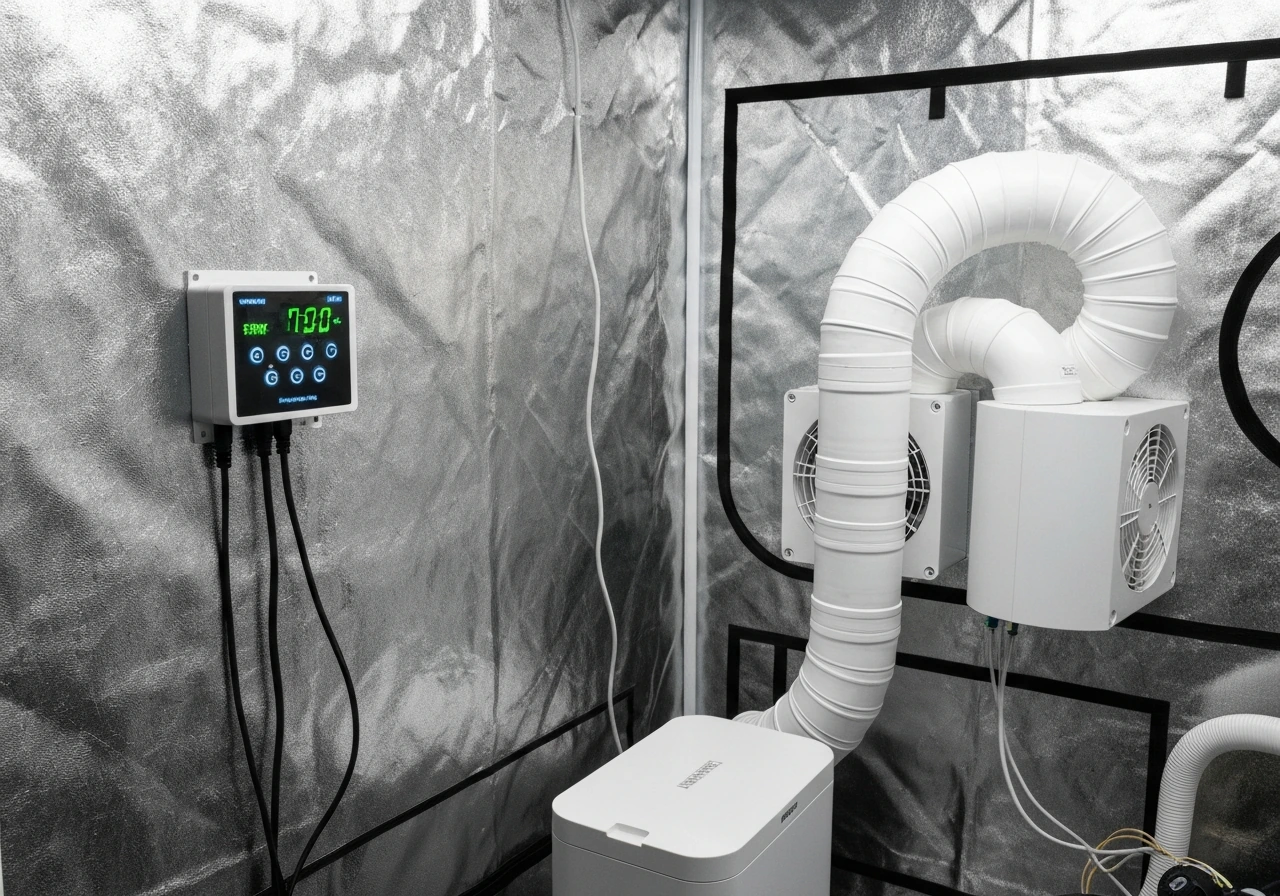
Indoor gives you the most control over environment, which matters a lot for OG Kush given its sensitivity to humidity and temperature swings. A grow tent with a quality inline fan, carbon filter, and a dehumidifier is basically your foundation. Plan your tent height around the fact that OG Kush blank" rel="noopener noreferrer">can roughly double in height during the first three weeks of flower. If you are in a 5-foot tent and you flip at 24 inches, you are going to be in trouble. Flip when the plant is around 40 to 50 percent of your maximum available height, accounting for pot and light distance.
Outdoor
Outdoor growing with OG Kush is viable in warm, dry climates, but this strain's dense bud structure makes it genuinely vulnerable to bud rot in humid or rainy late-season conditions. If you are in a humid region, plan to harvest on the earlier side of the trichome window and consider a light greenhouse or rain cover for the last few weeks of flower. OG Kush is a photoperiod strain, so outdoors it will flip to flower naturally as day length shortens in late summer, typically finishing in October in the Northern Hemisphere depending on your latitude.
Hydroponic
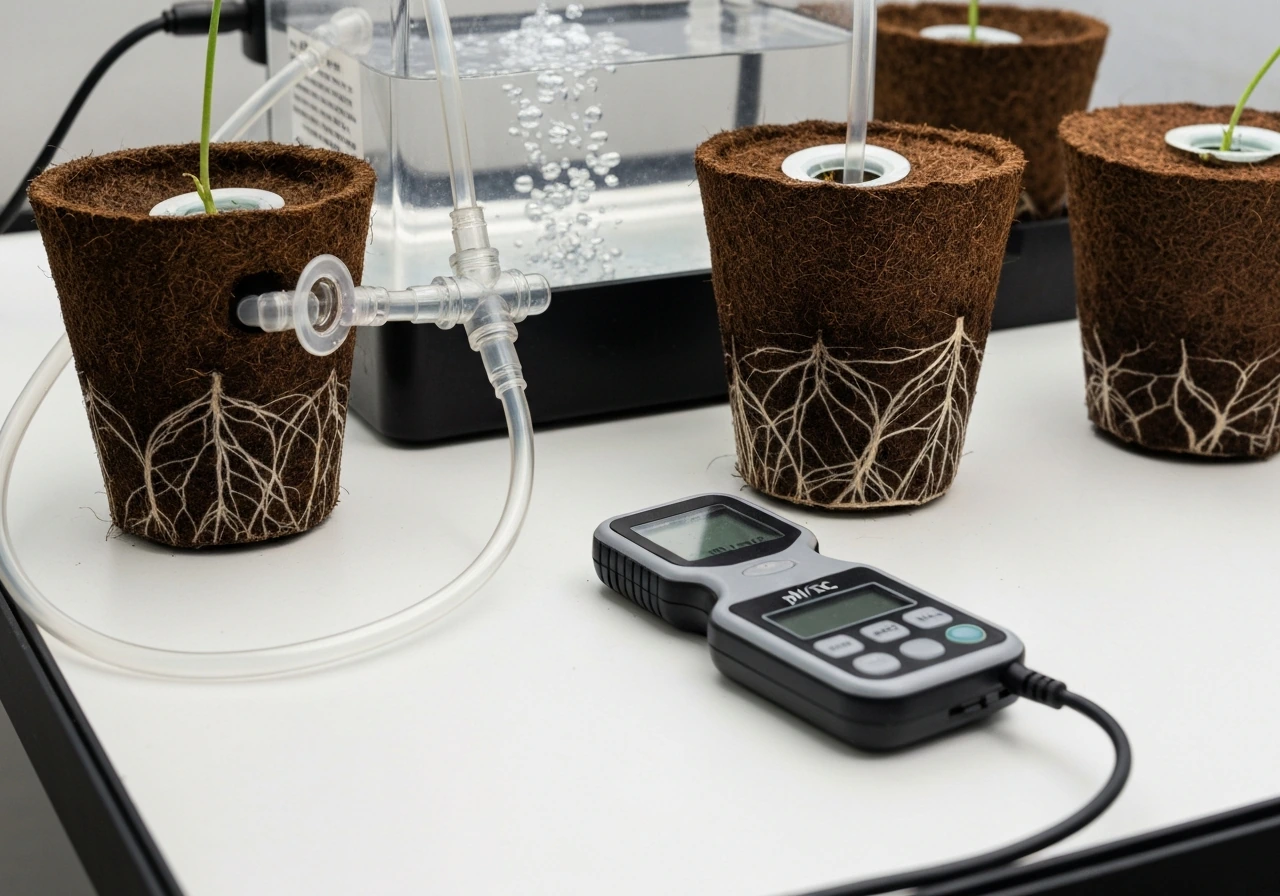
Hydro (DWC, NFT, or coco) accelerates OG Kush's growth noticeably but demands tighter pH and EC management. Coco coir sits between soil and full hydro in terms of forgiveness. In any soilless or recirculating system, pH control is non-negotiable because there is no soil biology to buffer mistakes. The upside is faster veg, potentially heavier yields, and more responsive feeding. More detail on growing OG Kush hydroponically is worth its own deep dive if that is your preferred method. If hydro is your preferred method, focus on the right reservoir setup, pH and EC targets, and consistent feeding routines growing OG Kush hydroponically.
Germination and seedling care
The paper towel method is the most reliable way to germinate OG Kush seeds at home. Moisten two paper towels (damp but not dripping), place your seeds between them, fold them into a plate or sealed container, and keep the setup somewhere warm and dark, ideally around 70 to 77°F (21 to 25°C). The seed needs moisture, warmth, and darkness to crack. Most seeds show a white taproot within 24 to 96 hours. Plant the seed once the taproot is about 0.25 to 0.5 inches long, pointing the taproot downward into your medium.
Most germination failures come down to four things: wrong temperature, medium that is too wet or too dry, seeds that were not viable to begin with, or handling the fragile taproot too much. Use tweezers rather than your fingers once the seed has cracked. If the seed has been sitting in wet paper towels for more than 24 hours without showing a taproot, check the moisture balance. The embryo can actually suffocate from lack of oxygen if it is sitting in pooled water.
Seedlings are more delicate than most new growers expect. Keep humidity high (65 to 70% RH) in the first week or two, use a dome or humidity tent if needed, and keep lights on the gentler end. A seedling does not need 800 µmol/m²/s yet. Overwatering is probably the single most common seedling killer. Water in a small circle around the stem to encourage root outreach, and let the medium partially dry between waterings.
For hydro and coco starts, seedling parameters are different from soil. Target a pH of 5.8 to 6.1 and an EC around 0.6 to 1.0 for seedlings and freshly rooted clones, using a mild nutrient solution around EC 0.8.
Vegetative growth: light, environment, training, and feeding
Light and environment targets in veg
During veg, OG Kush runs best under 18 hours of light per day. PPFD targets in veg sit around 400 to 600 µmol/m²/s depending on where the plant is in its development. Temperature should stay in the 70 to 82°F (21 to 28°C) range during lights-on, with night temps no more than about 10°F cooler. Relative humidity in veg should be around 60%, giving the plant plenty of transpiration capacity to drive nutrient uptake.
Training OG Kush
OG Kush has a vine-like, medium-stretch structure that responds well to low stress training (LST) and topping. Start LST when the plant has around 4 to 6 nodes and tie the main stem down and outward to open up the canopy. Top at the 4th to 6th node to create two main colas, then train those outward as well. The goal is a flat, even canopy that puts multiple tops at the same height before the flip.
Time your last high-stress technique (topping, fimming) so the plant has at least 1 to 2 weeks to recover before you flip to 12/12. Do not top after you have flipped, and avoid any major pruning or defoliation more than a light tuck and trim once flowering is underway. OG Kush can handle some defoliation in early flower to open up the interior, but go easy after week 6 of flower because open wounds become entry points for botrytis.
If you are growing in a shorter tent, flip when the plant is 40 to 50% of your maximum usable height. Remember: OG Kush can double in height in the first three weeks of flower. If stretch is getting out of hand, supercropping the tallest colas around week 2 of flower is a practical fix. Bend the stem firmly until it softens and folds rather than snapping, which brings the top down without removing it.
Veg nutrients
In early veg, start at a low EC around 0.8 to 1.2 (roughly 400 to 600 ppm on the 500 scale) and build from there based on how the plant responds. A standard 3-part or grow-forward formula with a higher nitrogen ratio is appropriate in veg. Watch leaf color closely. Deep green is fine; very dark, clawing leaves suggest nitrogen excess. Light green or yellowing between veins in veg usually points to pH drift rather than actual deficiency.
Flowering through harvest: timing, bud development, and knowing when to cut
Initiating flower and managing stretch
Flip your photoperiod OG Kush to a 12/12 light schedule when you are ready to flower. The plant will show the first pistils (white hairs) within about 1 to 2 weeks of the flip. Expect significant upward stretch for the next 2 to 3 weeks, with many OG phenos roughly doubling in height from where they were at flip. This is normal but must be accounted for in your space planning. Drop humidity to around 45 to 50% as flowering begins to reduce disease risk while the buds are forming.
Mid to late flower environment
PPFD can increase to 800 to 950 µmol/m²/s in flower (with CO₂ supplementation at 1,000 to 1,500 ppm, you can push higher). As buds develop and density increases, progressively lower humidity. In early flower aim for 45 to 55% RH, in mid flower drop toward 40 to 50%, and in late flower (weeks 6 and beyond) target 35 to 45% RH. Keep airflow moving through the canopy continuously. Your room sensor might read 45% while the microclimate inside a dense cola is 60%+. That interior moisture is what feeds botrytis.
OG Kush flower timeline
OG Kush generally flowers in 8 to 11 weeks from flip, and phenotype matters here. Leaner phenos often finish closer to 8 weeks. Fuller, heavier expressions can run 10 to 11 weeks. Strainpedia pegs the common indoor window at 56 to 63 days. Use that as your baseline, but always let trichomes be the final word.
Harvest timing: using trichomes
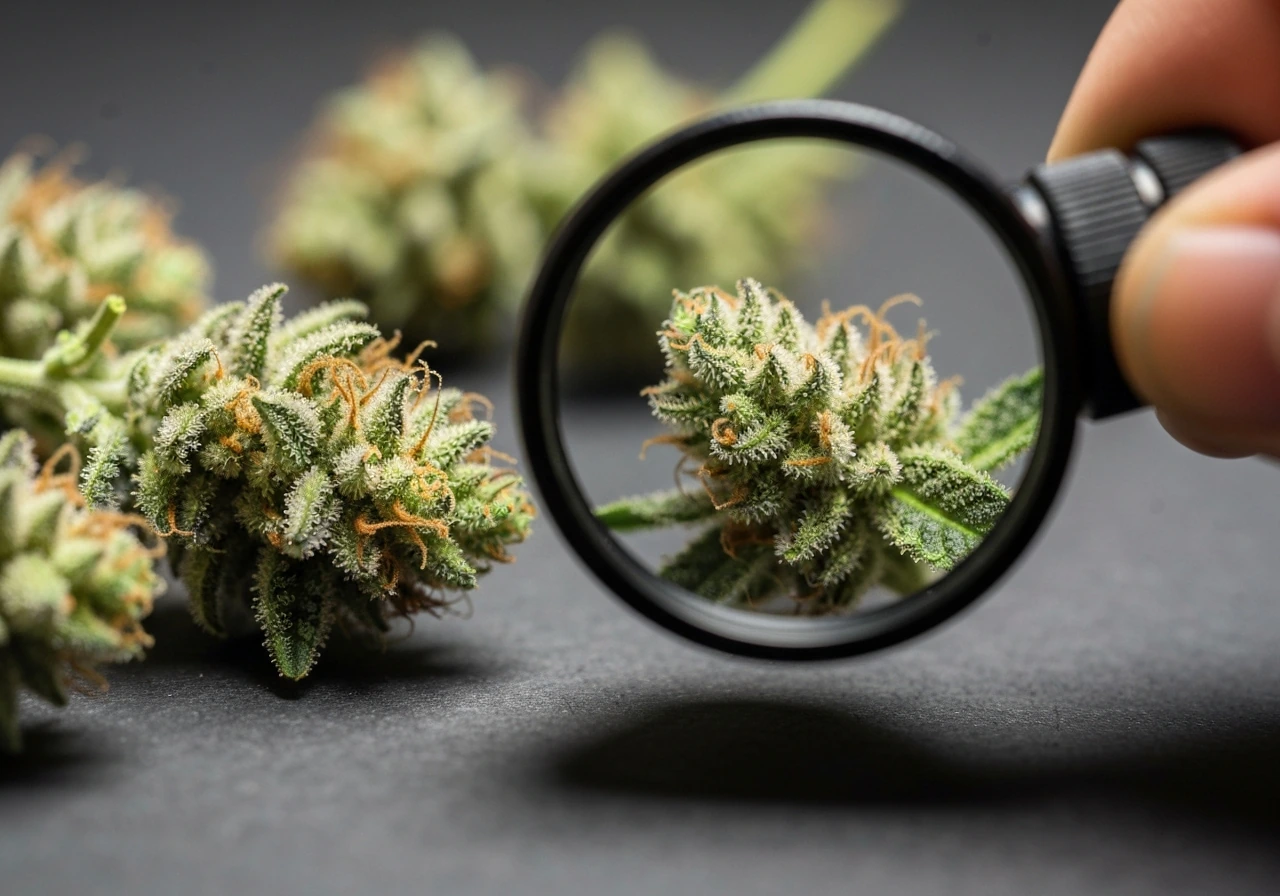
Get a jeweler's loupe (30 to 60x) or a digital microscope and check trichomes on both the buds and the small sugar leaves. Trichomes progress from clear (not ready) to cloudy/milky white (peak THC) to amber (THC degrading into more sedative compounds). For OG Kush's classic heavy body effect, harvest when roughly 70 to 80% of trichomes on the calyx heads and sugar leaves have turned amber. If you prefer a more cerebral, energetic effect, harvest earlier when trichomes are mostly cloudy with about 10 to 15% amber. Both are valid choices. What matters is having a plan before you start checking rather than second-guessing yourself daily.
After harvest, dry slowly at 60 to 65°F with 45 to 55% RH for 7 to 14 days, then cure in sealed glass jars, burping daily for the first 1 to 2 weeks. Rushing the dry is one of the most common ways growers ruin an otherwise great crop.
Nutrients, pH, and runoff management from start to finish
More OG Kush problems are caused by pH drift than by actual nutrient deficiency. When the root-zone pH moves outside the optimal range, nutrients become chemically unavailable even when they are physically present in the solution or soil. This is called nutrient lockout, and it looks like deficiency symptoms even though you have been feeding. Always diagnose pH before adding more nutrients.
| Stage | Soil pH target | Hydro/Coco pH target | EC target (500 scale) |
|---|---|---|---|
| Seedling | 6.0–6.5 | 5.8–6.1 | 0.6–1.0 |
| Early veg | 6.2–6.8 | 5.8–6.2 | 0.8–1.2 (400–600 ppm) |
| Late veg | 6.2–6.8 | 5.8–6.2 | 1.2–1.6 (600–800 ppm) |
| Early flower | 6.2–6.8 | 5.8–6.2 | 1.5–1.8 (750–900 ppm) |
| Mid flower | 6.2–6.8 | 5.8–6.2 | 1.8–2.0 (900–1000 ppm) |
| Late flower / flush | 6.2–6.8 | 5.8–6.2 | 1.0–1.2 or plain water |
In soil, check and log your runoff pH weekly. Water in at the correct pH (6. 2 to 6. For peat or soil-based runoff testing, the guide recommends aiming for runoff pH around 6.
0, 6. 5 so you can decide on irrigation and pH correction accordingly runoff pH weekly.
8 for soil), collect the water that runs out the bottom, and measure it. If runoff pH is drifting below 6. 0 or above 7. 0, adjust your input water pH to correct it over the next few waterings.
In coco and hydro, pH management is tighter. [Coco buffers less than soil, so maintain inflow pH between 5. ](https://www. cocoforcannabis.
com/adjustph/)5 and 6. 5, with a practical target of 5. 8 to 6. 2.
Check your reservoir or inflow pH before every feed in hydro.
Watch for nutrient antagonism in flower. Excess potassium can block calcium and magnesium uptake, so do not over-push bloom boosters high in K without monitoring for calcium deficiency signs (brown spots on mid-canopy leaves, tip die-off). Likewise, low soil pH locks out phosphorus, which shows as purple/red stems and darkening leaves. These symptoms look alarming but often resolve within a week of correcting pH.
Troubleshooting common OG Kush problems
Pests: spider mites, thrips, and fungus gnats
Spider mites leave tiny white stippling on leaves and fine webbing under leaves and between bud sites. They love hot, dry conditions, so keeping temps below 82°F (28°C) and humidity above 40% in veg reduces pressure. Neem oil is effective against spider mites and thrips when applied as a foliar spray in veg (do not spray in flower). Spinosad is a strong option for thrips specifically.
Fungus gnats are almost always a sign of overwatering or chronically wet media. The larvae live in the top inch of soil and damage roots. Let your medium dry out more between waterings and use yellow sticky traps to monitor adult populations. Neem oil or insecticidal soap drenches can help knock back larvae. In hydro or coco, fungus gnats are rare but root aphids and pythium (root rot) are the bigger threats.
Nutrient deficiencies vs. pH lockout
Before you buy another nutrient product, check your pH. Most "deficiency" symptoms that show up mid-grow are actually lockout from pH drift. Check runoff, correct your input pH, and wait 5 to 7 days before making any other changes. If symptoms persist after pH correction, then start looking at actual feeding levels. Nitrogen deficiency (yellowing from the bottom up) and calcium deficiency (random brown spots on mid-canopy leaves) are the most common true deficiencies in OG Kush.
Overwatering and leaf curl
Overwatered OG Kush plants have leaves that look firm and heavy, often drooping downward as if waterlogged. The soil or coco will feel wet even two or three days after your last watering. The fix is simple: water less frequently and let the medium dry down more before the next feed. Leaves curling upward ("canoeing" or "taco-ing") usually point to heat or light stress rather than overwatering. Check how close your lights are and whether canopy temps are spiking above 85°F (29°C). Both issues are common when OG Kush stretches upward and gets too close to the lamp.
Bud rot (Botrytis)
This is the OG Kush problem I genuinely fear most. Because of its dense bud structure, moisture gets trapped inside developing colas where no airflow can reach. Once botrytis is inside a bud, there is no spray or treatment that fixes it. You cut out the infected section and move on. Prevention is everything: keep late-flower RH at 40 to 50% day and night, run continuous airflow through the canopy (not just above it), and avoid heavy defoliation after week 6 of flower. If you spot gray or brown fuzzy growth inside a bud, remove the whole section immediately, seal it in a bag, and remove it from the grow space. Check surrounding buds carefully.
Your best-way checklist and next steps
Here is a practical summary of the highest-impact steps to get OG Kush from seed to harvest without the most common disasters. Treat this as a reference you come back to at each stage. Rainbow Kush is a distinct, colorful take on OG-style genetics, so once you understand OG Kush timing, you can dial in the specific environment and feeding it prefers.
- Know your phenotype before you flip: ask your seed bank or clone source about stretch and finish time so your tent height and training plan are ready.
- Germinate using the paper towel method at 70 to 77°F, plant once the taproot is 0.25 to 0.5 inches long, and avoid touching the taproot with bare fingers.
- In seedling stage, keep RH at 65 to 70%, water in a ring around the stem, and do not overwater. Hydro/coco starts need pH 5.8 to 6.1 and EC 0.6 to 1.0.
- In veg, maintain 60% RH, temps of 70 to 82°F, PPFD of 400 to 600 µmol/m²/s, and EC 0.8 to 1.6 depending on plant size. Start LST and topping at the 4th to 6th node.
- Finish all high-stress training at least 1 to 2 weeks before flipping to 12/12. Flip when the plant is 40 to 50% of your maximum usable tent height.
- Expect OG Kush to roughly double in height in the first 3 weeks of flower. Supercrop the tallest colas around week 2 if height is becoming a problem.
- Drop humidity to 45 to 55% in early flower, 40 to 50% in mid flower, and 35 to 45% in late flower. Run constant airflow through the canopy, not just over it.
- In flower, increase PPFD to 800 to 950 µmol/m²/s and raise EC to 1.5 to 2.0 in mid flower, then back down to 1.0 to 1.2 or plain water in the final 1 to 2 weeks.
- Check runoff pH weekly in soil (target 6.0 to 6.5 runoff), and check inflow pH before every feed in coco and hydro (target 5.8 to 6.2). Correct pH drift before adding nutrients.
- Use trichomes to time harvest. For OG Kush's heavy body effect, harvest at 70 to 80% amber trichomes on calyx heads and sugar leaves. For more uplift, harvest at 10 to 15% amber.
- Dry slowly at 60 to 65°F and cure in sealed jars, burping daily for the first 1 to 2 weeks.
- Always check and follow your local laws regarding home cultivation before starting or expanding your grow.
From here, your most useful next steps depend on your chosen method. If you are going indoor, dig into the specific lighting and dehumidification setup before you germinate. If you are planning an outdoor run, map out your local frost dates and late-season humidity patterns now. And if hydro is your path, spend real time on pH and EC calibration before anything else goes into the reservoir. OG Kush rewards preparation more than almost any other popular strain, and every issue you prevent on the front end is a problem you will not be scrambling to fix in week 8 of flower.
FAQ
How many OG Kush plants should I grow in one tent for best results?
Plan canopy space first, then count plants to match airflow and pot size. Because OG Kush forms dense, humidity-trapping buds, crowding reduces internal airflow, increasing botrytis risk. As a rule, start with fewer plants than you think you need, then use training to spread tops evenly so the center of the canopy stays reachable by direct airflow.
What’s the safest way to manage OG Kush stretching without wrecking my canopy plan?
Use a two-step approach: flip at the right starting height (so you have headroom for the first 2 to 3 weeks of stretch) and reserve supercropping for week 2 of flower on the tallest colas. Avoid topping or major pruning after flowering starts, because more wounds create entry points and worsen disease pressure inside dense buds.
If my trichomes look cloudy but my pistils are still white, should I harvest OG Kush anyway?
Use trichome color on calyx heads and sugar leaves as the decision tool, not pistil color. Pistils can remain white while trichomes are already moving from clear to cloudy, and waiting solely for all hairs to darken often pushes you into more amber than intended. If you want a more energetic effect, harvest on the trichome schedule you set, even if some pistils are still visible.
How can I tell the difference between pH lockout and real nutrient deficiency in OG Kush?
Lockout often shows as symptoms that do not match the nutrient you’re increasing, and correcting pH is followed by gradual improvement. For example, if leaf issues persist while you keep feeding, check runoff or reservoir pH before changing nutrient strength. Wait about a week after pH correction to evaluate, since chemistry and uptake take time to catch up.
Why do my buds feel dry on the outside but develop rot inside?
Dense bud structure and trapped humidity can make rot progress internally even when external surfaces seem fine. This is why continuous airflow through the canopy matters, not just exhaust above the plants, and why late-flower RH targets are stricter. If you ever find gray or brown fuzzy material, remove the entire infected section immediately, do not try to spot-treat.
What runoff pH target should I use for soil, and how should I adjust if it drifts?
Use your inflow pH to steer runoff back into range. In soil, input pH around 6.2 to 6.8 is a solid starting window, then log runoff weekly. If runoff moves below 6.0 or above 7.0, adjust inflow pH gradually across subsequent waterings rather than making big swings in one day.
In coco or hydro, how often should I check pH and when can I stop tinkering?
In coco and hydro, check inflow or reservoir pH before each feed because buffering is limited. If you correct pH, give the plant time, typically 5 to 7 days, before assuming the nutrient formula is wrong. Constantly changing multiple variables at once makes it harder to diagnose whether you actually corrected the lockout.
Can I use bloom boosters high in potassium for OG Kush, and what’s the risk?
You can, but overdoing potassium can interfere with calcium and magnesium uptake, leading to brown spots and tip die-off in flower. If you increase K, monitor mid-canopy leaves for calcium-type symptoms and do not assume the issue is just “more calcium later.” The safest approach is to avoid large, sudden bloom booster jumps without checking how the plant responds.
What’s the best way to prevent fungus gnats without constantly changing my whole routine?
Most infestations come from staying too wet. Let the top portion of the medium dry more between waterings, use yellow sticky traps to track adults, and handle watering consistency as the main control lever. In soil, expect fungus gnat larvae to live near the surface, so drenches or soaps that target larvae can help, but correcting overwatering is the long-term fix.
How do I know if I’m watering too much versus just dealing with heat or light stress?
Overwatering tends to keep the medium wet and produces heavy, drooping leaves that stay waterlogged even a couple days later. Heat or light stress more commonly causes upward curling (canoeing or tacoing) along with canopy temperatures spiking near the lamp. If you see leaf curl, check lamp distance and canopy temps before changing your watering schedule.
Is it okay to germinate OG Kush seeds with the paper towel method for more than a few days?
It’s better not to let seeds sit wet for too long. If you don’t see a taproot within roughly 24 hours, reassess moisture and oxygen, because embryos can suffocate if the towels stay pooled-wet. Aim for a typical crack window (often within 24 to 96 hours), and once the taproot is about 0.25 to 0.5 inches, plant promptly to reduce damage risk.
When should I start training OG Kush, and what training is risky in flower?
Start low stress training around 4 to 6 nodes and keep the goal as an even, flat canopy before the flip. After flowering begins, avoid major pruning and heavy defoliation, especially after about week 6, because fresh wounds and open interiors increase botrytis risk. Supercropping is the main higher-risk technique that can help with stretch, and it’s best around week 2 of flower on the tallest colas.
Next Article
How Do You Grow Kush at Home A Beginner Guide
Beginner step-by-step guide to growing Kush at home, covering Critical Kush tips, setup, nutrients, training, harvest, a