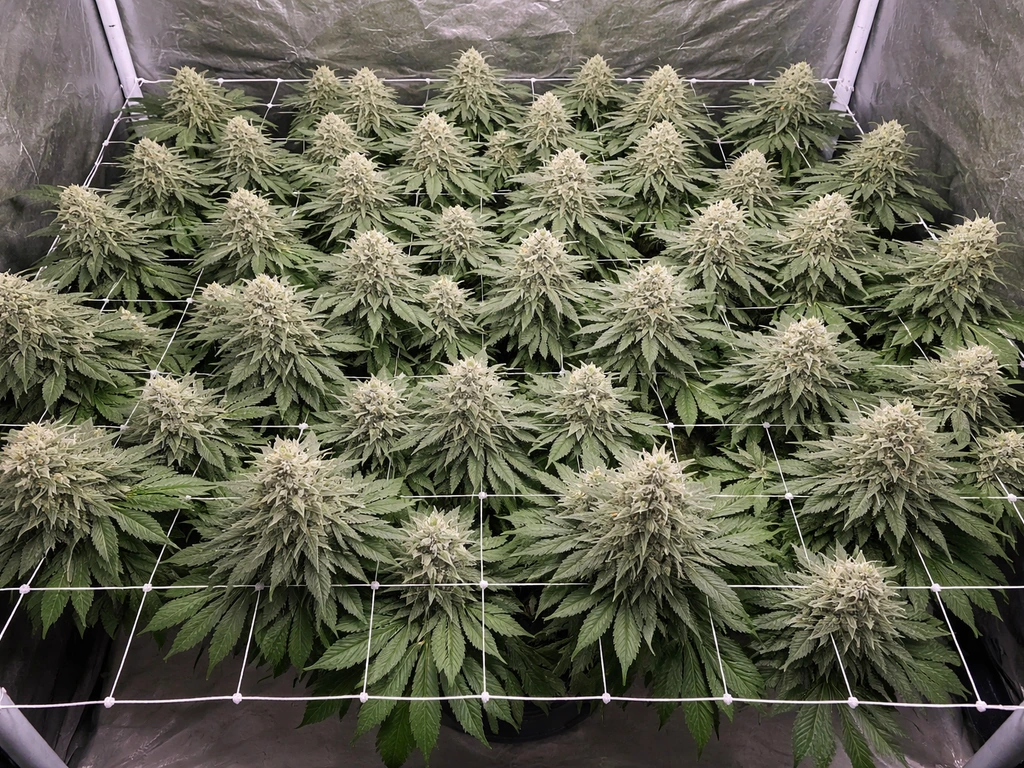
You can absolutely grow cannabis outdoors in Arizona, and the climate actually works in your favor for most of the season. If you are looking for Washington-specific guidance on timing and local rules, see our guide on how to grow weed in Washington. Arizona gives you intense sun, a long frost-free window, and dry air that keeps fungal problems manageable, as long as you plan around the summer heat spike and the monsoon humidity that arrives in July and August. Grow up to 6 plants per adult (12 per household with two or more adults 21+), keep them out of public view, and you are working within the state's adult-use framework under Proposition 207.
How to Grow Weed in Arizona Outdoors: Beginner Guide

Marcus Holbrook
10 Jun 2026
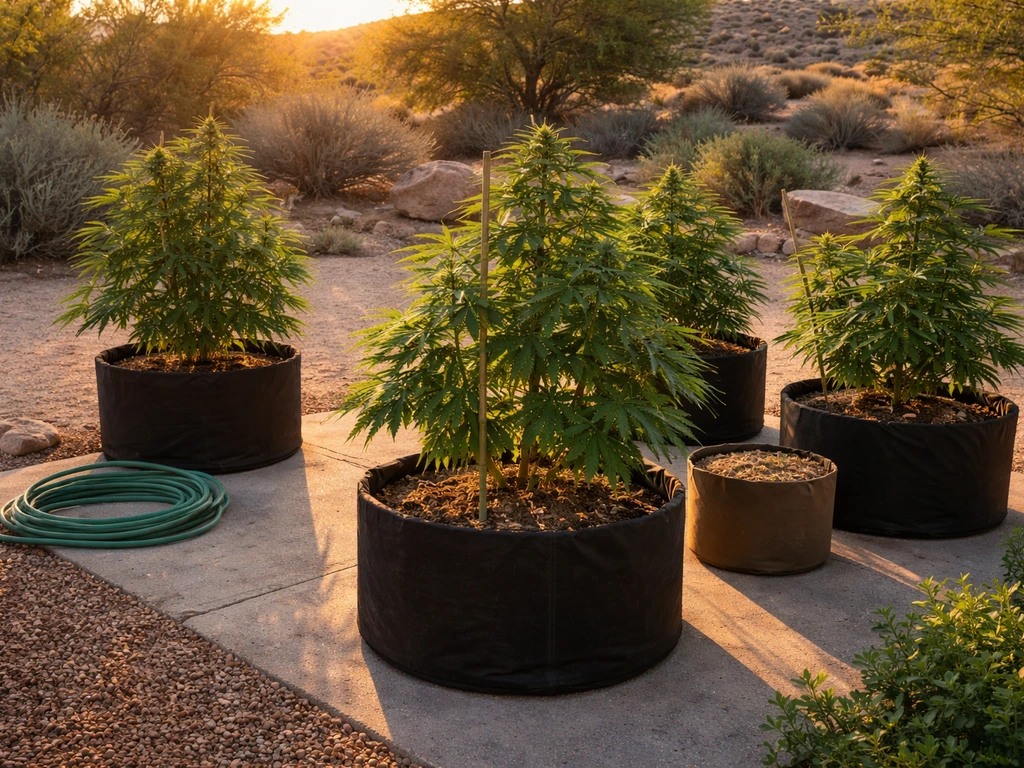
Arizona's rules before you plant a single seed
Arizona's Smart and Safe Arizona Act (Proposition 207) allows adults 21 and older to cultivate cannabis at home. The plant limits are straightforward: up to 6 plants per qualifying adult, capped at 12 plants total for households with two or more adult members. Medical patients operating under Title 36, Chapter 28.1 have a separate pathway that allows up to 12 plants in an enclosed, locked facility, if you are on the medical side, check your specific authorization paperwork.
The single most important legal requirement to understand is visibility. Under Arizona statute 36-2852, your plants cannot be visible from public view without the use of binoculars, aircraft, or other optical aids. That means no plants visible from the street, a neighbor's yard at eye level, or a public sidewalk. This is not just a technicality, it also protects you from unwanted attention. Plan your site with that requirement as the first filter, not an afterthought.
One more thing: Prop 207 sets statewide parameters, but local municipalities can layer on their own rules around where and how cultivation happens. Before you transplant, take 20 minutes to check your city or county code. Phoenix, Scottsdale, Tucson, and Mesa each have their own local context. The state law is your floor, not your ceiling.
Picking the right strains and seeds for Arizona conditions
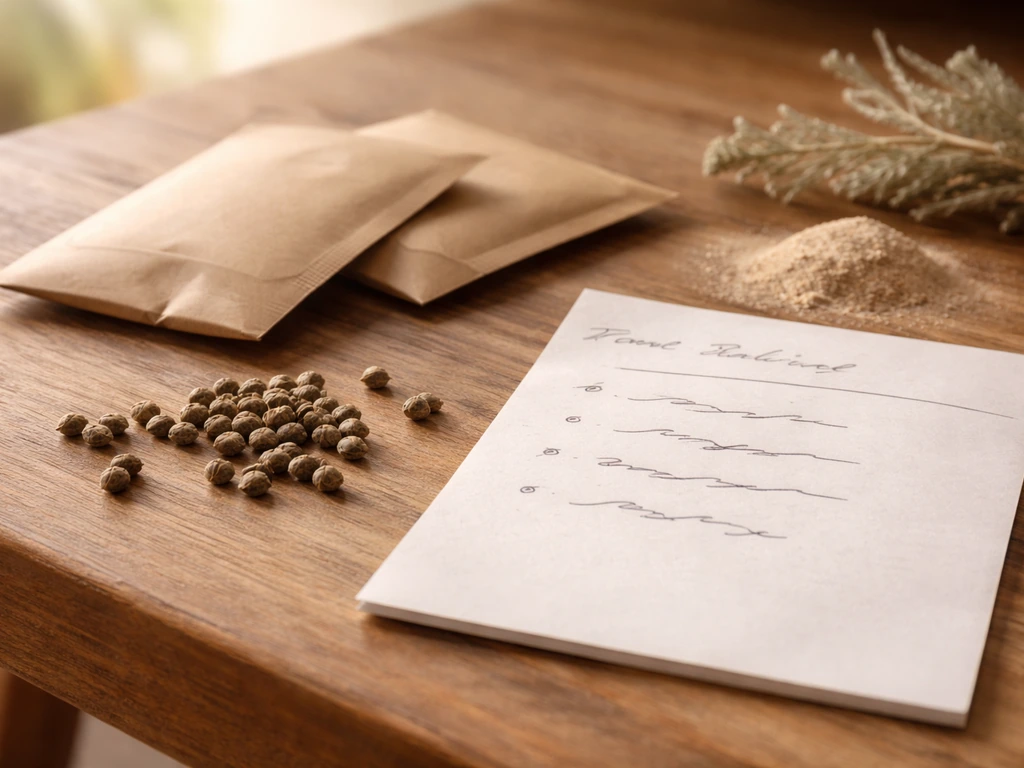
Not every strain survives an Arizona summer, and that is where a lot of new growers go wrong. If you are specifically trying to learn how to grow weed in the desert, focus on heat-tolerant strains, careful watering, and strong mold prevention during the monsoon Not every strain survives an Arizona summer. You need genetics that can tolerate sustained heat above 100°F, finish flowering before the weather turns in late October, and ideally show at least moderate mold resistance for the monsoon window. Indica-dominant and hybrid strains that originated in hot, dry climates tend to handle Arizona better than pure sativas bred for equatorial humidity.
When you are browsing seed banks, look for these traits in the product specs: flowering time of 60–70 days, outdoor harvest window listed as September through early October, and any mention of mold or mildew resistance. A 60–70 day flowering strain started outdoors in late April will finish in September, well ahead of the monsoon tail-off and any early frost risk. Strains with longer flowering times (90+ days) are risky because they push harvest into October or November, where you are fighting shorter days, potential dew, and temperature swings.
- Heat-tolerant genetics: look for strains described as performing well in hot, dry, or Mediterranean climates
- Flowering time: target 60–70 days for a clean September harvest
- Mold resistance: at least moderate resistance is important for the July–August monsoon period
- Autoflowers: a solid option for Arizona because they flower on age rather than light cycle, letting you time harvests more precisely and run two crops in one season
- Feminized seeds: strongly recommended for beginners so you are not pulling males mid-season
- Clones from a licensed dispensary: if available locally, clones skip the seedling stage and can be a great shortcut — just make sure they are pest-free before introducing them to your garden
If you want a comparison point, growing in other hot-climate states like Georgia or the desert Southwest shares many of these strain selection principles. If you are thinking about a different climate entirely, you can use the same idea when planning how to grow weed outdoors in michigan, where timing and humidity control change the strategy. The core logic is the same: match the genetics to the climate window you actually have, not the one you wish you had. If you are asking how to grow weed outside in GA, you will still want the same core approach, but you will plan around Georgia's warmer, more humid summers and different frost timing.
Setting up your grow site: location, containers, drainage, and privacy
Arizona outdoor grows need full sun, but that does not mean the most exposed corner of your yard is automatically the best spot. You want at least 6–8 hours of direct sun daily, with some natural afternoon shade protection if possible, late afternoon sun in Phoenix in July is brutal, and even heat-tolerant genetics will show stress above 105°F for extended periods. The east-facing side of a structure, a spot that gets full morning sun but catches shade from a wall around 2–3 PM, can genuinely outperform a fully exposed location in the hottest months.
Containers vs. in-ground growing

| Factor | Containers | In-Ground |
|---|---|---|
| Root temperature control | Can get extremely hot in direct sun; use light-colored or fabric pots | More insulated; soil temperature stays more stable |
| Drainage | Excellent with proper mix; easy to manage | Depends heavily on native soil quality; caliche layers can trap water |
| Mobility | Can be moved to shade or indoors if needed | Fixed — no adjustment possible |
| Water retention | Dries out faster in AZ heat; requires more frequent watering | Retains moisture longer; can help in peak summer |
| Root volume | Limited by pot size; 15–25 gallon minimum recommended for outdoor plants | Unlimited; plants can get very large |
| Privacy | Easier to reposition for screening | Harder to adjust placement |
My recommendation: use large fabric pots (at least 15 gallons, ideally 25+ for big photoperiod plants) if you want flexibility and control. Fabric pots air-prune roots, prevent overwatering, and you can move them during a heat wave or an unexpected dust storm. If you go in-ground, check for caliche (hardpan) before planting. In many Arizona yards, there is a dense calcium carbonate layer within a few feet of the surface that blocks drainage and traps roots. Break through it with a post hole digger or amendment before planting, or your plant will drown in its own pocket of standing water after a monsoon downpour.
For privacy and legal compliance, use the natural structure of your yard: block walls, shade structures, dense shrubs, or garden trellising with privacy screening. A 6-foot block wall common in Arizona backyards provides excellent concealment. If your wall is shorter or you have gaps, bamboo fencing or shade cloth panels work well and also filter harsh afternoon sun. Run through the visibility test yourself: stand at the street, at your neighbor's likely viewpoint, and check whether any part of the plants would be visible to someone at a normal standing height.
Arizona planting calendar: when to start and when to harvest
Arizona's long frost-free season is one of its best advantages for outdoor growing. If you are wondering how to grow weed outside in PA, your start time and harvest timing will depend on Pennsylvania's frost dates rather than Arizona's long window Arizona's long frost-free season. In low-elevation areas like the Phoenix metro, the average last frost is as early as February 7 in central Phoenix, though outlying areas like Mesa see last frosts as late as April 3. Tucson runs slightly cooler. Use your specific zip code's frost data as a baseline, not a generic Arizona average.
- Late February to early March (Phoenix metro / low elevation): Start seeds indoors. Give them 4–6 weeks to develop before transplanting outdoors. Keep them under lights or in a sunny window.
- Late March to mid-April: Harden off seedlings by gradually increasing outdoor exposure over 7–10 days. Start with 1–2 hours of morning sun, work up to full days outdoors over the week.
- Mid-April to early May: Transplant outdoors once nighttime lows are consistently above 50°F. Seedlings sustain real damage at temperatures below 50°F, and a frost will kill them. Do not rush this step.
- May through June: Plants are in active vegetative growth. Long days and intense sun drive fast growth. This is your window to train, top, and shape the canopy.
- July through August: Photoperiod plants begin transitioning to flower as days shorten. Monsoon season arrives — monitor humidity, watch for pests, adjust irrigation.
- September through early October: Peak flowering and harvest window for most 60–70 day strains. Trichome checks begin in September. Most AZ outdoor photoperiod plants finish before the first frost risk.
- Tucson and higher elevations: Shift the whole calendar 2–3 weeks later due to cooler spring temperatures, but the harvest window is essentially the same.
Autoflowering strains give you even more flexibility. You can start autos in March for a July harvest, then start a second round in July for an October finish. Two crops per season is very realistic with autos in Arizona's climate, and it is worth trying once you have a season under your belt.
Watering and heat management in Arizona's outdoor conditions
Water is the most demanding part of growing outdoors in Arizona, full stop. Phoenix's average daily highs in July sit well above 100°F, and container plants can lose significant moisture within hours in that heat. During peak summer, large plants in fabric pots may need watering daily or even twice daily. In-ground plants hold moisture longer, but you are still looking at every 2–3 days at minimum during the hottest weeks.
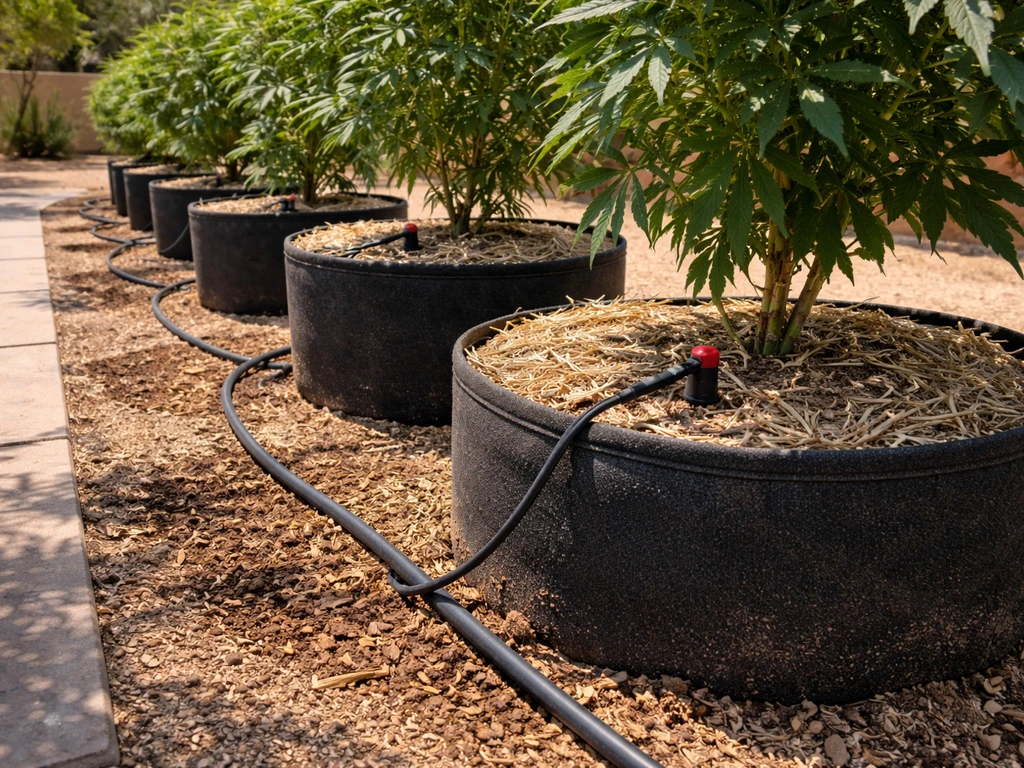
Drip irrigation is the most efficient approach and cuts your workload dramatically. A simple drip system with two emitters per plant, running on a timer set for early morning, reduces evaporation losses and keeps foliage dry (which reduces fungal risk). To check whether water is actually penetrating deep enough, use a soil probe or a wooden dowel: push it 6–8 inches into the root zone after watering. If it comes out dry below 3 inches, you are underwatering or need to increase emitter run time. Root zone moisture, not surface dampness, is what matters.
For heat management beyond watering, a few approaches genuinely help. White or light-colored containers reflect radiant heat and keep root-zone temperatures lower than black pots, which absorb heat and can cook roots above 80°F substrate temperature. Shade cloth rated at 30% over plants during the 1 PM to 4 PM window in July and August reduces canopy temperature significantly without cutting too much light for growth. Mulching the soil surface in fabric pots or in-ground beds with straw or wood chips slows moisture evaporation dramatically. On extreme heat days (above 110°F), misting the area around plants (not the foliage itself) can lower ambient temperature a few degrees.
The monsoon season (roughly mid-July through mid-August) adds a complicating variable: humidity. If you want the same basics for North Carolina, focus on choosing strains with a solid outdoor harvest window for NC’s spring-to-fall weather and plan for humidity and rain how to grow weed outside in nc. After months of dry heat, relative humidity can spike significantly during monsoon events, creating conditions that favor powdery mildew and bud rot (Botrytis) once plants are in flower.
After heavy monsoon rain, shake excess water off dense colas, improve airflow around plants, and reduce irrigation immediately since the soil is already saturated. If you are growing in a very humid microclimate or a greenbelt area that retains moisture, mold prevention becomes your top priority in late flower.
Soil, pH, and feeding from veg through flower
Arizona's native soil is generally alkaline, low in organic matter, and poor at water retention. Do not plant directly into caliche-heavy native soil without serious amendment. For containers, use a quality cannabis-specific potting mix or a blend of coco coir, perlite, and compost (roughly 40/30/30). For in-ground beds, dig out a large volume and refill with amended soil: compost, perlite or pumice for drainage, and a handful of dolomite lime to buffer pH.
pH is something a lot of beginners skip, and it consistently causes mysterious nutrient problems. For soil grows, keep your root-zone pH between 6.2 and 6.8. For coco coir, aim for 5.8 to 6.2. Outside these ranges, nutrients lock out and become unavailable to the plant even if they are physically present in the medium. Test your water source's pH first, Arizona tap water is often slightly alkaline (around 7.5–8.0) and will drift your soil pH over time. A simple pH meter and pH down solution (phosphoric acid) solves this cheaply.
Feeding schedule by growth stage
| Growth Stage | Primary Nutrient Focus | Notes for AZ Outdoor |
|---|---|---|
| Seedling (weeks 1–3) | Very light feeding or none | Most quality mixes have enough nutrients; overfeeding seedlings is a common beginner mistake |
| Vegetative (weeks 4–8) | High nitrogen (N), moderate phosphorus (P) and potassium (K) | AZ's intense sun drives fast veg growth; watch for nitrogen deficiency (yellowing lower leaves) if growth slows |
| Pre-flower / transition (weeks 9–10) | Reduce nitrogen, increase P and K | Switch to a 'bloom' formula; continuing high-N into flower delays transition and reduces yield |
| Early flower (weeks 11–14) | Moderate N, high P and K | Phosphorus drives bud development; potassium improves density and resin production |
| Mid-to-late flower (weeks 15–harvest) | Very low N, high K, boost calcium-magnesium | Heavy potassium feeding in this stage; calcium-magnesium supplementation helps prevent blossom-end issues in AZ's hard water areas |
| Flush (final 1–2 weeks) | Plain pH-adjusted water only | Removes excess salt buildup; important in AZ's alkaline water environment |
For beginners, a simple two-part nutrient line (grow formula and bloom formula) plus a cal-mag supplement covers most of what you need. Follow the manufacturer's dosing schedule at 50–75% of recommended strength and adjust based on how the plant looks. Yellowing older leaves during veg usually means nitrogen deficiency. Yellowing that starts at the tips and margins during flower often points to potassium excess or a pH issue. Fix pH first before chasing deficiencies, I have wasted money on supplements that could not be absorbed because the pH was wrong.
Training your plants and preventing problems before they start
Simple training for beginners
Training outdoor Arizona plants during the vegetative stage pays off significantly at harvest. The goal is to create a wide, flat canopy rather than a single Christmas tree shape, so more bud sites receive direct sun and airflow improves through the plant. Two techniques work well for beginners without risking major plant damage.
- Low-stress training (LST): Gently bend the main stem and side branches outward and tie them down with soft plant ties or pipe cleaners. Do this incrementally over 1–2 weeks during veg. The plant responds by growing upward from the bent branches, creating multiple tops. This is the safest technique for beginners.
- Topping: Cut the main growing tip cleanly just above the 4th or 5th node. This causes the plant to develop two main colas instead of one and dramatically increases bud sites. Wait until the plant has at least 4–5 nodes before topping, and only do it during healthy vegetative growth — never during heat stress or the first week after transplant.
- Trellising and staking: As plants enter flower and buds get heavy, strong Arizona afternoon winds can snap branches. Add bamboo stakes or a simple trellis net above the canopy before buds fully develop. This is easier to install early than to retrofit around a fully flowered plant.
Pest and disease prevention: what to actually watch for in Arizona
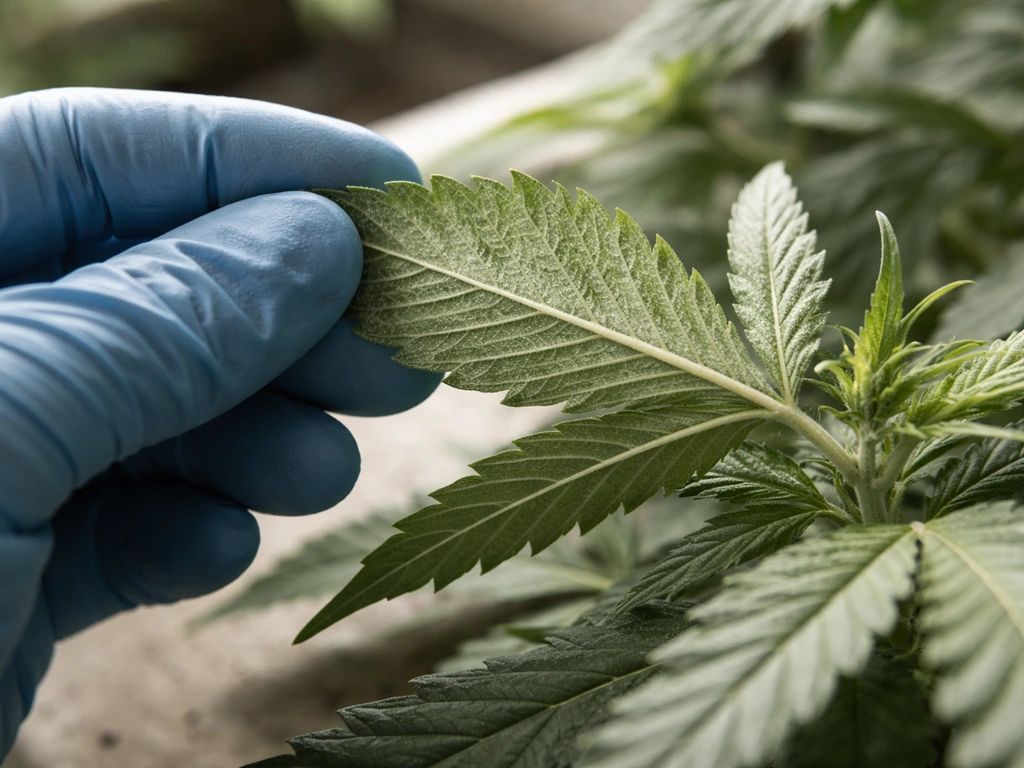
Regular scouting is the core of pest management. UA Cooperative Extension materials emphasize pest management monitoring as part of integrated pest management (IPM), which supports regular scouting in Arizona backyard conditions Regular scouting is the core of pest management.. Walk your plants every 2–3 days and look at the undersides of leaves, around new growth, and at soil level. Catching problems at 5 bugs is much easier than at 500 bugs. Arizona's warm, dry conditions favor specific pests.
- Spider mites: The most common and destructive Arizona cannabis pest. First signs are tiny white or yellow speckles (stippling) on upper leaf surfaces and fine webbing on the undersides. They thrive in hot, dry conditions. Treat early with neem oil spray or insecticidal soap, targeting the undersides of leaves. Introduce predatory mites if the infestation is heavy.
- Aphids: Clusters of small soft-bodied insects on new growth and stems. Leave sticky residue and attract ants. A strong water spray dislodges them; neem oil or insecticidal soap handles active infestations. Ladybugs (available at garden centers) are a biological control worth trying.
- Caterpillars / budworms: These bore into buds and leave frass (dark specks of excrement) behind. Check bud interiors when you see unusual damage or frass on leaves. Bacillus thuringiensis (BT) is an organic option that is very effective and safe to apply.
- Powdery mildew: White or gray powdery patches on leaf surfaces. Favored by temperature swings and poor airflow. In Arizona it is most common after monsoon humidity spikes. Remove affected leaves, improve airflow, and apply potassium bicarbonate or diluted hydrogen peroxide spray.
- Bud rot (Botrytis): Gray-brown mold that appears inside dense colas, often starting at the stem. Highest risk during late flower when monsoon humidity is still present and temperatures begin dropping at night. Inspect bud interiors weekly from August onward. Any infected material must be cut out with clean scissors and removed from the garden immediately — it spreads fast.
Troubleshooting heat stress and other Arizona-specific problems
Heat stress shows up as upward-curling leaf edges (taco-ing), bleaching of the upper canopy, and slowed growth during the hottest part of the day. If you see this, check that your watering is adequate, move containers to afternoon shade if possible, and add shade cloth. Wilting in the morning before you water is a watering issue; wilting mid-afternoon with moist soil is almost always heat stress. The fixes are different, so diagnose before reacting.
Hermaphrodite plants (plants that develop both male pollen sacs and female flowers) are a stress response that can ruin an otherwise healthy garden. Extended heat stress, light interruptions, root damage, and nutrient extremes all trigger it. Prevention is mostly about minimizing stress: stable watering, appropriate feeding, and avoiding any light pollution at night during the flowering stage. If you find pollen sacs on a female plant, remove them immediately with tweezers before they open. If a plant is heavily hermaphrodited, remove it from the garden to protect your other plants from unwanted pollination.
Knowing when to harvest and how to cure your buds
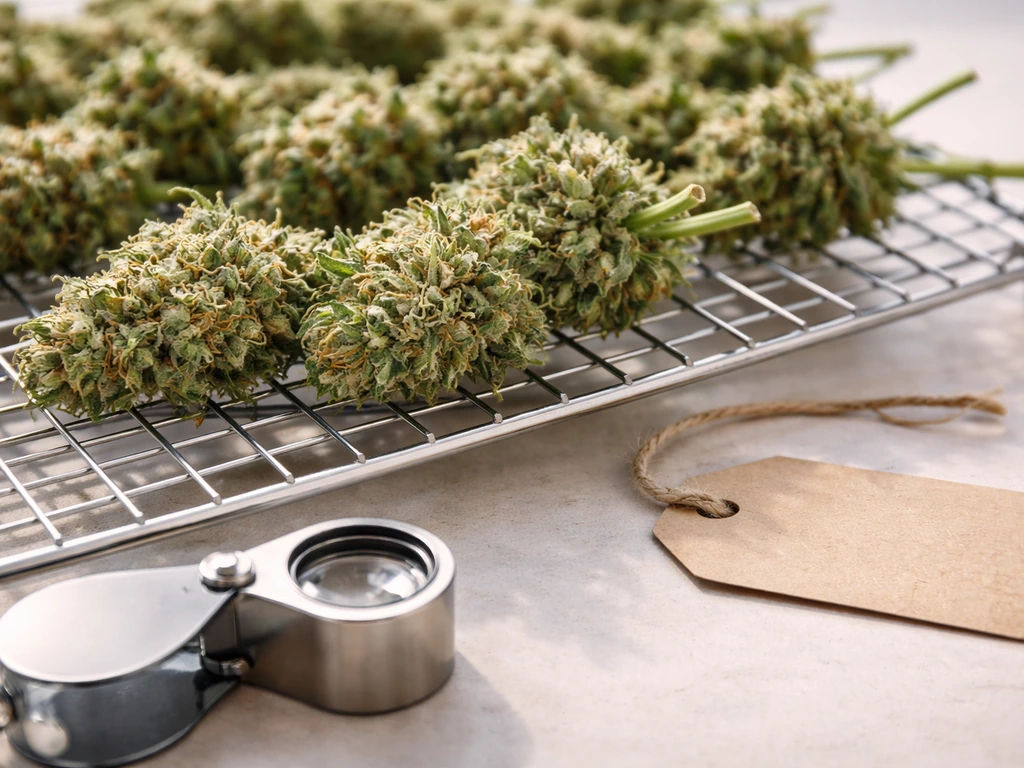
Most outdoor Arizona photoperiod plants reach harvest between mid-September and mid-October, depending on the strain's flowering time and when you transplanted. The most reliable way to determine harvest readiness is a jeweler's loupe or digital microscope (30x–60x magnification) to examine trichomes. Fresh trichomes are clear. As they mature they turn milky white. When 70–80% of trichomes are milky and 10–20% have begun to turn amber, most strains are at peak potency. Waiting for mostly amber trichomes produces a heavier, more sedative effect.
Secondary indicators that support trichome checks: pistil color (hairs on buds turning from white to orange-red, usually 70–90% change), calyx swelling and resin production, and the natural yellowing and senescence of fan leaves. Do not rely on pistil color alone, it is not precise enough. Trichome inspection is the method worth learning.
Harvest in the early morning after a dry night, when resin content is highest. Cut the plant at the base or harvest branch by branch if ripeness is uneven across the canopy. Remove large fan leaves before hanging. Hang whole branches or the whole plant upside down in a dark, ventilated space at around 60–70°F and 45–55% relative humidity. Arizona's fall air is often very dry, which speeds drying too fast and can lead to harsh smoke. Use a humidifier in your drying space if the humidity drops below 45%. Slow drying over 10–14 days preserves terpenes and smooth flavor significantly better than a fast 4-day dry.
After drying, cure your buds in airtight glass jars at 62% relative humidity (Boveda packs are an easy tool for this). Open the jars once or twice daily for the first two weeks to release moisture and refresh oxygen, this is called burping. After two weeks, burp every few days. A 4–8 week cure produces noticeably smoother, more flavorful cannabis than freshly dried flower. It is one of the most underrated steps in the whole process, and it costs nothing but time.
FAQ
How can I prevent light pollution from causing hermaphrodites during outdoor flowering in Arizona?
If your plants will be outside at all, you need to manage both sunlight and light leaks. Start flowering based on natural day length, and in late summer and early fall protect plants from any nighttime light sources like porch lights, headlights, or reflective glare from white surfaces near the grow. Even a short period of unexpected light interruption can trigger stress and hermaphroditing, especially during early flower.
What should I check first if my outdoor plants show heat stress symptoms even though I’m watering?
Arizona sun can overheat containers even when the schedule says you watered enough. Use a soil probe or dowel test at the root zone after watering, but also check container temperature midday. If the soil stays hot and the plant shows taco-ing or bleaching, add temporary afternoon shade and switch to lighter-colored fabric pots or wrap the pot in reflective material to reduce radiant heating.
Can I grow in a backyard spot that collects runoff during monsoon storms?
Yes, but only if you can keep the plants out of public view and avoid runoff problems. For containers, place pots on saucers or a catch tray to prevent monsoon runoff from carrying soil or nutrients into neighbors’ areas. For in-ground, be careful not to create a low spot that collects water, caliche zones often turn that into standing water after heavy rain.
How do I adjust nutrients through veg to flower without causing lockout in alkaline Arizona water?
You should plan fertilizer differently from the early stages. During veg, modest nitrogen supports leaf growth, then dial back as flowering begins to avoid excess foliage and nutrient burn. Because Arizona tap water can be alkaline, test your runoff or medium pH periodically, then adjust feeding strength first by lowering doses, pH correcting second, and adding cal-mag only if you confirm a deficiency rather than guessing.
How do I know my drip irrigation is watering deep enough, not just the top layer?
If you’re using drip, don’t assume emitter count equals correct watering. Run a short test during a hot week, water on the timer, then check depth with a dowel 6 to 8 inches down. Aim for wetness in the root zone, not just damp topsoil, and adjust run time in small increments rather than changing everything at once.
Should I harvest the whole plant at once, or rely on trichome timing across different buds?
For outdoor flowering, the safest approach is to use magnification for trichomes on multiple buds across the canopy. Some lower buds ripen faster or slower due to shade, so inspect samples from different areas, then harvest branch by branch if needed. Waiting for one cluster only often means the rest will be over- or under-ripe.
What can I do if my strain’s harvest keeps slipping later than October in Arizona?
If you missed the window or a strain has a longer flowering time, you can reduce risk by choosing a less risky backup method next season rather than trying to force an overgrown crop. Options include switching to strains with a shorter outdoor harvest window (commonly around 60 to 70 days), starting earlier, or running autoflowers for a second round. Late-season rescues outdoors are limited because shortening days and temperature swings control ripening.
Where should I scout for pests in an Arizona outdoor grow beyond doing quick leaf checks?
Start checking for pests immediately after transplant, but also anticipate where they hide. Arizona pests often show up on the underside of leaves, around new growth, and near the soil line. If you can, use a simple rotation of inspection days and look after windy or dusty days, since stressed plants attract more attention.
How much pruning or training is safe to do outdoors in Arizona, and when should I stop?
Use pruning and training gently and consistently during veg, then stop major shaping once flowering is fully underway to avoid added stress. The goal is a broad, flat canopy, so you may focus on topping or low-stress training early and rely on airflow and targeted defoliation later only if humidity or airflow is clearly poor. If you see heavy heat stress, do not add extra stress by pruning during the hottest part of the day.
My buds are drying too fast in Arizona. What humidity target should I use and what’s the fix?
Drying is the step most likely to go wrong in Arizona because fall air is often very dry. If humidity in your drying area drops below 45%, drying can finish too fast, leading to harsh smoke and weaker terpene character. Add a humidifier or slow airflow and monitor daily with a hygrometer, aiming for roughly 45 to 55% during drying.
Next Article
How to Grow 1 Pound Per Plant: Yield Guide for Beginners
Step-by-step plan to grow ~1 lb per plant using strain choice, light, training, feeding, and troubleshooting for beginne