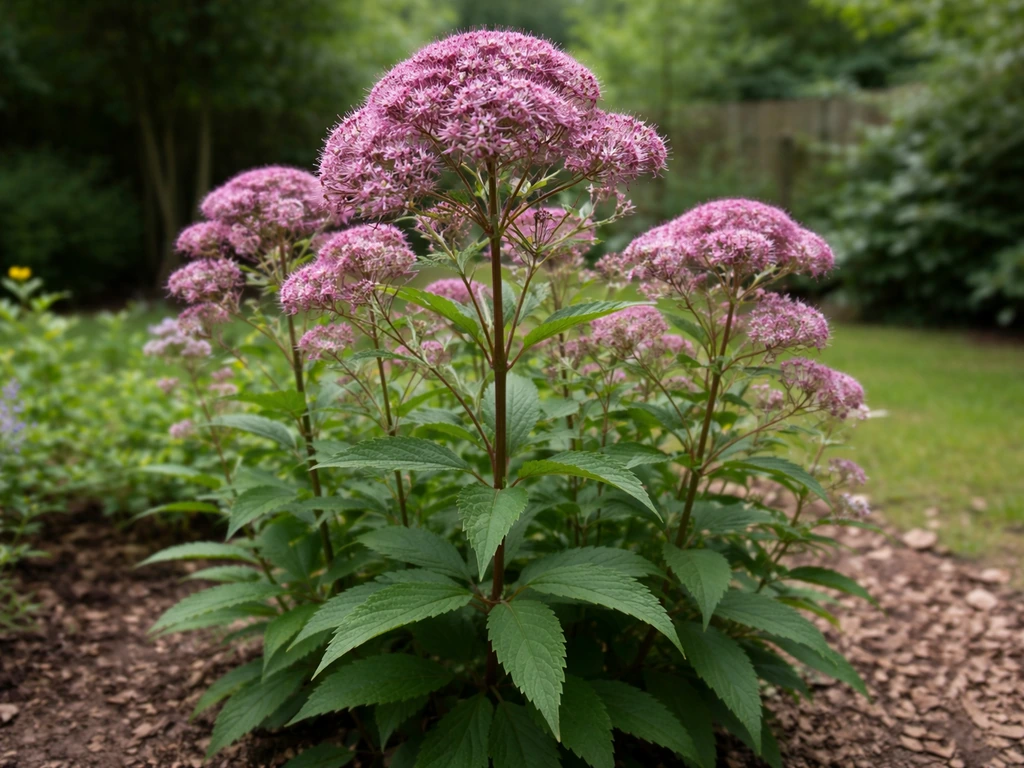
Joe-Pye weed (Eutrochium spp., formerly sold as Eupatorium) is a tall, tough, native North American perennial that blooms in mid-to-late summer with dusty pink-purple flower clusters that pollinators absolutely love. Plant it in a spot with full sun to part shade and consistently moist soil, start it from a division or nursery transplant for fastest results, keep it watered through its first season, and you'll have a reliable 5–10 ft bloomer that comes back stronger every year with almost no fussing. Seeds work too, but expect to wait until year two for flowers.
How to Grow Joe-Pye Weed: Step-by-Step for Beginners

Marcus Holbrook
11 May 2026
What Joe-Pye Weed Actually Is (and What to Know Before You Plant)
Joe-Pye weed isn't actually a weed in any problematic sense. It's a group of native North American perennial wildflowers. The name covers several Eutrochium species, most commonly blank" rel="noopener noreferrer">spotted Joe-Pye weed (Eutrochium maculatum), sweet Joe-Pye weed (Eutrochium purpureum), and coastal plain Joe-Pye weed (Eutrochium dubium). You'll still find them sold under the old genus name Eupatorium at some nurseries, so don't be confused if you see both names on labels.
Here's what you're signing up for: these plants get big. Standard species top out around 5–10 ft tall, and under ideal conditions spotted Joe-Pye can push 10–12 ft. If that sounds like too much for your space, look for compact cultivars like 'Little Joe' (Eutrochium dubium, typically 3–5 ft) or 'Baby Joe' (which stayed around 5 ft in trials). Most species are cold hardy across USDA zones 3 or 4 through 8 or 9, so they handle hard winters well. They're long-lived perennials, meaning once established they'll return reliably every season, spreading slowly by seed and clump expansion.
One thing to set expectations on: plants grown from seed typically don't flower until their second season. If you want blooms this year, start from a division or a nursery-grown transplant. If you're planning ahead and enjoy the propagation process, growing from seed is completely doable and I'll cover the details below.
Picking the Right Spot: Sun, Soil, Drainage, and Spacing
Joe-Pye weed performs best in full sun to part shade. It will grow in shadier conditions, but full sun drives the best flowering and the most compact, upright growth. In hotter climates, a little afternoon shade can help prevent the leaf scorching that happens when the soil dries out, but the plant still wants as much morning sun as it can get.
Soil moisture is the most important site factor. If you’re in Colorado, aim for full sun and keep the soil consistently moist during the growing season so your Joe-Pye weed establishes well despite the drier conditions. These plants evolved in moist meadows, wet thickets, and stream edges. They want consistently moist to wet soil and will tolerate soggy ground that would kill most perennials. That said, they're more adaptable than their reputation suggests: Eutrochium tolerates a range of soils from acidic to calcareous (alkaline), and from wet to occasionally dry. What they won't forgive is dry soil for extended periods. If your soil dries out quickly, leaf scorch and wilting follow fast.
For drainage, if you're in a low spot that holds water after rain, Joe-Pye weed is actually an excellent choice. It's commonly used in rain gardens for exactly this reason. If your site drains fast, you'll need to water more frequently or amend with compost to improve moisture retention.
For spacing, give standard-size species at least 3–4 ft between plants. Compact cultivars like 'Little Joe' can be spaced 18–24 inches apart. These plants spread into clumps over time and need airflow between stems to reduce the powdery mildew issues we'll talk about later.
Starting From Seed vs. Divisions: Which One Is Right for You
Both methods work. The choice comes down to how quickly you want results and how much effort you want to put in upfront.
Growing From Seed
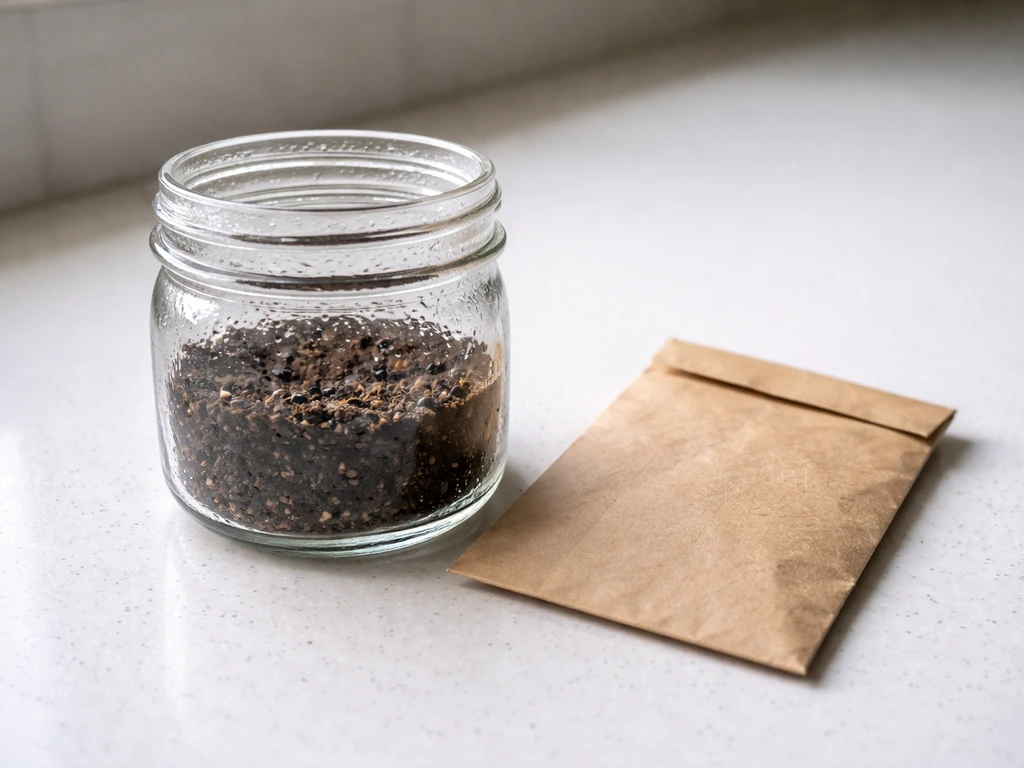
Joe-Pye weed seed requires cold moist stratification before it will germinate. Eutrochium purpureum specifically needs about 90 days of cold, moist stratification. This mimics the natural process of seeds overwintering in cold, damp soil before sprouting in spring. You can do this by mixing seeds with barely moist potting mix or peat, sealing them in a plastic bag, and storing them in your refrigerator for about three months before your last frost date. Alternatively, you can direct sow outdoors in fall and let nature handle the stratification over winter.
When sowing, scatter seeds on the surface of prepared soil and cover very lightly (just barely covered) since they need light to germinate. Keep the seedbed consistently moist. Indoors, you can start seeds in a cold frame in spring after stratification. Don't expect flowers the first year. Plants grown from seed typically put their energy into root development in year one and bloom reliably in year two.
Growing From Divisions or Root Cuttings
Division is the faster, more reliable option for most home growers. The best times to divide an existing clump are in fall after flowering as the plant goes dormant, or in early spring just as new growth begins to emerge. Both windows work well, but spring division gives you a full season of establishment before winter. Fall division is useful if you want to skip ahead and have the plant well-rooted before the following spring's growth push.
To divide, dig up the clump and use a sharp spade or garden fork to separate it into sections, each with healthy roots and at least a few stems or buds. Replant divisions at the same depth they were growing originally. Mulch around them and water thoroughly right after planting. Divisions typically establish quickly and often bloom in their first full season, which is a major advantage over seed.
| Method | Time to First Bloom | Effort Level | Best Starting Time | Success Rate for Beginners |
|---|---|---|---|---|
| Seed (stratified) | Year 2 | Moderate (stratification needed) | Fall sow outdoors or spring after cold stratification | Good if stratification is done correctly |
| Division from existing clump | Often Year 1 | Low to moderate | Spring (emerging) or fall (dormant) | Very high |
| Nursery transplant | Year 1 | Low | Spring after last frost or early fall | Highest |
Step-by-Step Planting: Timing and Methods for In-Ground and Containers
Planting In-Ground
- Choose your timing: Spring planting (after your last frost) works well for transplants and divisions. Fall planting (6–8 weeks before hard frost) gives roots more time to establish before the plant's first active spring growth season.
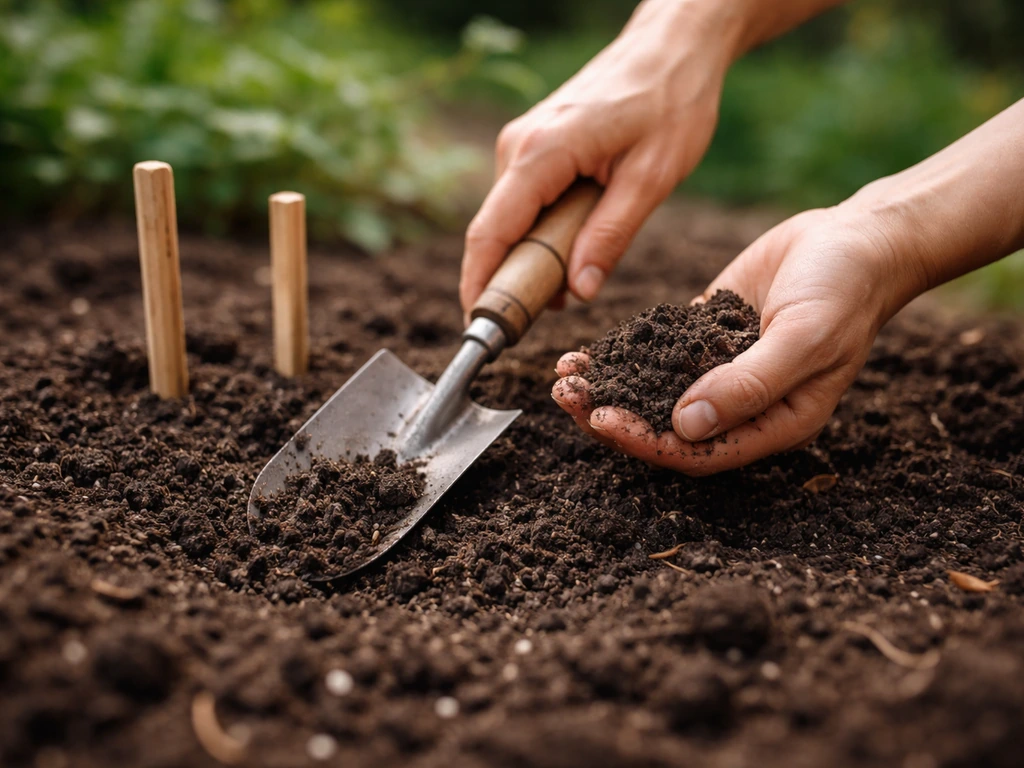
- Prepare the soil: Loosen the planting area to at least 12 inches deep. Mix in a generous layer of compost to improve moisture retention, especially if your soil drains quickly. Joe-Pye weed isn't fussy about pH, but it wants organic matter.
- Dig the hole: Make it wide enough to accommodate the root ball without cramping. For a transplant or division, the hole should match the depth of the root system so the plant sits at the same level it grew before.
- Set the plant and backfill: Place the plant in the hole, fill in with soil, and firm it gently around the roots to remove air pockets.
- Water deeply: Water thoroughly right after planting to settle the soil. This first watering is important for root-to-soil contact.
- Mulch: Apply a 2–3 inch layer of compost, pine bark, or pine straw around the base of the plant (not touching the stems). This holds moisture, moderates soil temperature, and reduces weed competition.
- Mark it: Joe-Pye weed is slow to emerge in spring. Mark the spot so you don't accidentally dig it up.
Planting in Containers
Containers work for smaller cultivars like 'Little Joe' or 'Baby Joe,' but standard-size Joe-Pye weed really wants to be in the ground. If you go the container route, choose a large pot (at least 15–20 gallons for compact varieties) with drainage holes. Use a high-quality potting mix amended with extra compost, and be prepared to water much more frequently than you would in-ground because containers dry out fast. The biggest challenge with containers is moisture consistency, and Joe-Pye weed is unforgiving when containers go dry. Consider self-watering containers or reservoir-style planters if you can.
Watering and Fertilizing: What the Plant Actually Needs
Watering
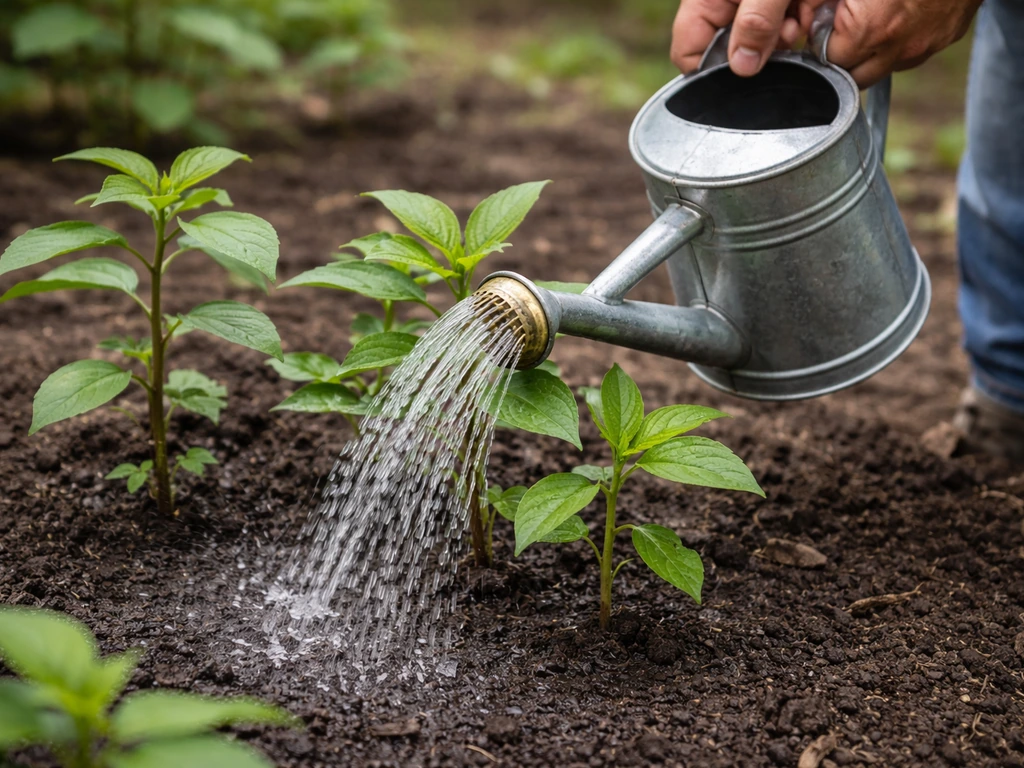
In the first season, keep the soil consistently moist. This is the most critical period. The plant is building its root system and can't tolerate extended dry spells. Once established (after a full growing season), Joe-Pye weed becomes more drought-tolerant, but it still does best when you water deeply during dry spells rather than letting the soil crack. A general rule: water when the top inch or two of soil is dry, and water deeply when you do. Soaker hoses or drip irrigation are ideal because they deliver water directly to the root zone without wetting the foliage, which reduces the risk of fungal disease.
If you're in a naturally rainy or humid region, established Joe-Pye weed planted in a moist site may need very little supplemental watering. If your site is on the drier side, plan on watering once or twice a week during dry stretches in summer. Watch the leaves: wilting or scorching at the leaf edges is the plant's way of telling you it's too dry.
Fertilizing
Joe-Pye weed isn't a heavy feeder. If you've amended the soil with compost before planting, you may not need to fertilize at all in the first year. For established plants in average soil, a single application of a balanced fertilizer like 10-10-10 in early spring (around 1 lb per 100 sq ft of bed space, following label directions) is plenty. Avoid high-nitrogen fertilizers, which will push leafy growth at the expense of flowers and can make stems leggy and prone to flopping. Compost top-dressing each spring is honestly the simplest and most beginner-friendly approach.
Caring for Joe-Pye Weed Through the Seasons
Spring
Don't panic if your Joe-Pye weed is slow to emerge. It's one of the later perennials to wake up in spring, sometimes not showing much until late spring depending on your zone. Once you see new growth, top-dress with compost and refresh your mulch layer if it has thinned. If the plant has gotten too large in previous years and you want to keep it more compact, cut stems back by about halfway no later than mid-June. This is the cutback window: if you wait too long, you'll delay or reduce flowering.
Summer
Most species bloom in mid-to-late summer, roughly July through September depending on your climate and the specific species. Standard spotted Joe-Pye weed tends to bloom July through August; coastal plain Joe-Pye weed extends into September. The flowers are magnets for butterflies, bees, and other pollinators. This is when your plant earns its space. Keep up with watering during dry spells and enjoy the show.
After Flowering: Deadhead or Let It Go?
This is a choice you get to make based on your goals. Deadheading (removing spent flower heads before seeds fully mature) can encourage the plant to put energy into additional blooms or a stronger root system. However, if you leave the seed heads in place, they provide visual interest through fall and winter, and the seeds attract birds. If you want to limit self-seeding and prevent the plant from spreading around your garden, cut the heads before the seeds fully ripen and disperse. If you want more plants or like the naturalistic look, leave them. Either approach is valid.
Fall and Winter
After the first hard frost, the stems will die back. You can cut them to the ground in late fall, or leave the dried stalks and seed heads standing through winter for wildlife value and visual structure, then cut back in late winter or early spring before new growth emerges. Joe-Pye weed is cold hardy through zones 3 or 4 (depending on species), so it needs no special winter protection in most of its range. In the coldest zones, a light layer of additional mulch over the crown after the ground freezes can provide extra insurance.
Troubleshooting Common Problems
Plant Isn't Growing or Is Growing Very Slowly
Slow establishment is completely normal, especially in the first season. Joe-Pye weed follows the classic perennial rule: sleep, creep, leap. Year one it sleeps (roots develop underground), year two it creeps (more visible growth), year three it leaps (full size, full flowering). If you're in year one, patience is the answer. If growth seems stalled in year two or three, check moisture levels first, then soil nutrition. Dry soil is almost always the culprit.
Leggy Stems That Flop Over
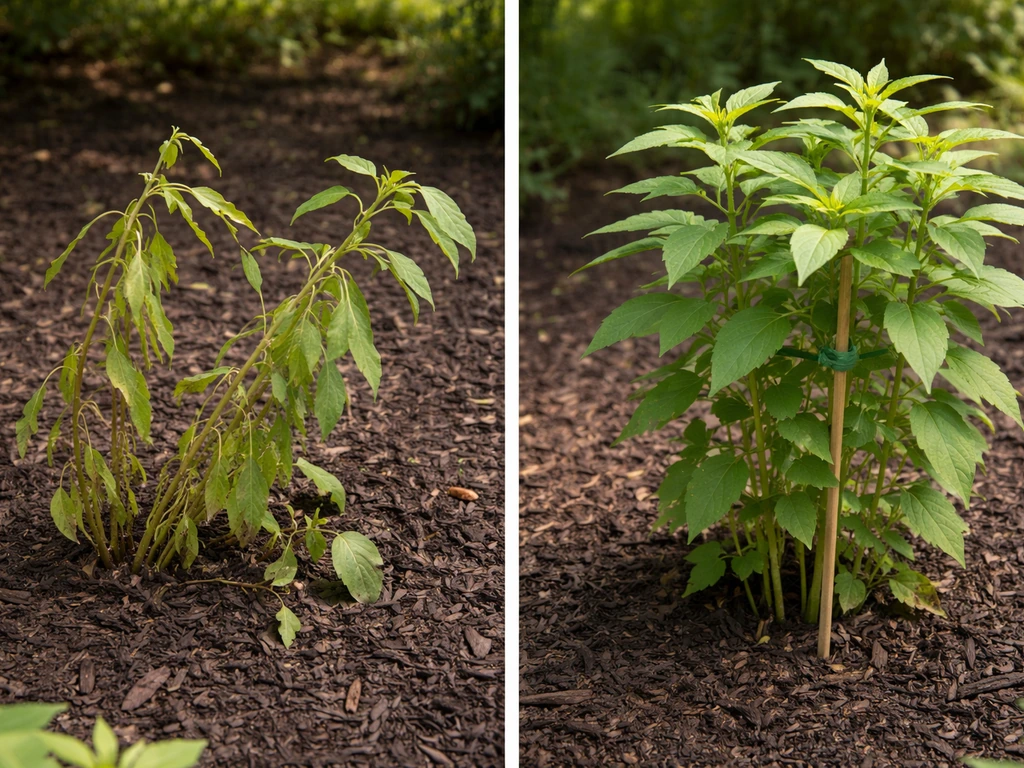
Floppy stems usually mean one of two things: not enough sun, or too much nitrogen. Joe-Pye weed in too much shade stretches toward light and loses the structural rigidity that makes it stand upright. Assess your light levels honestly. If the site is shadier than part sun, consider moving the plant in fall. If light isn't the issue, cut back on fertilizer (especially high-nitrogen formulas). You can also do the mid-June cutback, reducing stem height by half, which produces a more compact, self-supporting plant.
Wilting or Scorched Leaf Edges
Both symptoms point to inadequate soil moisture. Joe-Pye weed communicates water stress quickly through its foliage. If you see wilting during a heat wave even though you've been watering, you may need to water more deeply and less frequently (to encourage deep root growth) rather than light and often. Check that your mulch layer is intact, as it dramatically slows moisture loss from the soil surface. In containers, check that the root ball itself isn't drying out even if the top of the soil seems damp.
Powdery Mildew and Leaf Diseases
Powdery mildew is the most common disease issue with Joe-Pye weed, showing up as a white or grayish coating on leaves, usually in late summer. Rust and Cercospora or Septoria leaf spots can also appear. The good news is that these diseases are generally more cosmetic than harmful. The plant will continue to flower and return next year even with leaf disease. To reduce the likelihood of mildew: improve airflow by not overcrowding plants, water at the base rather than overhead, and consider disease-resistant cultivars (some have been specifically selected for mildew resistance). If mildew is a recurring problem in your garden, selecting one of those resistant cultivars is the most practical long-term fix.
Spreading More Than You Want
Joe-Pye weed spreads in two ways: clump expansion from the root system (slow and manageable) and self-seeding (faster and potentially more widespread if you let all the seed heads mature and drop). If you want to keep the plant contained, cut the seed heads before they fully ripen and disperse in fall. You can leave a few if you want natural recruitment, but cutting most heads before seed drop gives you easy control. If the clump itself is getting too large, divide it in fall or spring. Divisions can be replanted elsewhere or shared with other gardeners.
No Flowers
If a mature plant (year two or older) isn't flowering, the most common causes are insufficient sun, excessive nitrogen fertilizer, or cutting stems back too late in the season (past mid-June), which removes the developing flower buds. Check all three. First-year plants from seed almost never flower, so that's expected. Transplants and divisions from healthy stock should flower in their first or second season.
Your Next Steps: A Quick-Start Checklist
Whether you're planting this week or planning ahead for next season, here's how to put everything above into action.
- Choose your species or cultivar based on available space: standard species (5–10 ft) for a naturalistic planting or rain garden; compact cultivars like 'Little Joe' or 'Baby Joe' (3–5 ft) for smaller borders or containers.
- Identify your site: full sun to part shade, with moist to consistently damp soil. Low spots or rain garden areas are ideal.
- Decide on your starting method: nursery transplant for instant results, division from an existing clump for fast and free plants, or seed if you're planning ahead for year-two blooms.
- If starting from seed, begin cold stratification now (90 days in a moist, sealed bag in the refrigerator) or plan to direct sow outdoors in fall.
- Prepare the planting bed: loosen soil 12 inches deep, amend with compost, and plan for 3–4 ft spacing between full-size plants (18–24 inches for compact cultivars).
- Plant at the correct depth (same level as it was growing), water in deeply, and apply a 2–3 inch mulch layer.
- Water consistently through the first season, keeping soil moist. Set up drip or soaker irrigation if possible.
- Skip heavy fertilizing unless soil is poor. A spring compost top-dress is usually enough.
- Plan your cutback strategy: mid-June for size control, post-frost for winter cleanup, and decide in fall whether to deadhead for containment or leave seed heads for birds and winter interest.
- Select mildew-resistant cultivars if you're in a humid climate or have had powdery mildew problems with other plants.
Joe-Pye weed rewards patient, low-intervention growing. Once it's settled in after that first season, it becomes one of the most self-sufficient plants in a garden. The main thing to get right upfront is moisture. Nail that, give it enough sun, and you'll have a towering, pollinator-packed showpiece that earns its place in the landscape every single summer.
If you're specifically wondering how to grow bush weed, focus on the same essentials: the right light, consistently moist soil, and patience through the first growing season. If you're interested in exploring other unique plant varieties that suit unconventional growing approaches, topics like how to grow bishop's weed or how to grow bush weed offer similarly practical guidance for distinctive plants with their own site and care requirements.
You might also be interested in how to grow mini weed plants, which focuses on keeping a smaller size and meeting moisture and light needs how to grow bishop's weed. If you want a very different kind of challenge, you can also learn how to grow a bonsai weed plant using miniature-container care and consistent pruning.
FAQ
My Joe-Pye weed is growing but not flowering, what should I check first?
It is usually a moisture and timing issue. In year one, focus on consistently moist soil, then in year two make sure it gets at least part sun and avoid late cutbacks. If it still doesn’t bloom in year two or three, check that you are not overfeeding with high-nitrogen fertilizer and that you did not cut stems after the mid-June window, since that can remove forming flower buds.
Can I grow Joe-Pye weed in a container, and how do I prevent drought stress?
Yes, but only if you maintain a steady moisture routine. Use a very large container (15 to 20 gallons for compact types, more for larger ones), and expect to water far more often than in-ground. Mulch the surface helps, and consider a self-watering or reservoir-style planter because Joe-Pye weed wilts quickly if the root ball dries even briefly.
What’s the better time to divide Joe-Pye weed, fall or early spring?
Start with spring for easiest establishment if you can keep it watered during warm weather. Spring division gives the plant a full season to build roots before winter, while fall division can skip ahead to more established growth but may be riskier if your winters are dry or your soil drains too fast. Either way, replant at the original depth and water thoroughly right after dividing.
How much mulch should I use, and should I protect the crown in winter?
The best mulch strategy is to keep it consistent, not heavy. Apply a 2 to 3 inch layer (more if you need winter insulation in the coldest zones), and refresh it in spring. If mulch gets too deep or you mound it against the crown, it can stay wet and contribute to leaf disease and crown issues.
How often should I water, and what’s the right way to tell if it’s getting too dry?
If the soil dries after planting, leaf scorch and wilting can show quickly. Water deeply, so you encourage roots to grow downward, then let the top inch or two of soil dry before watering again. In containers, check the root ball, not just the surface, because the top may feel damp while the inside dries.
What can I do about powdery mildew without harming the plant’s flowering?
Treat mildew as a spacing and watering problem first. Don’t overcrowd plants, water at the base to keep foliage dry, and remove the worst-diseased leaves if needed to reduce spread. If you have recurring mildew year after year, switch to cultivars selected for better disease resistance.
How can I limit Joe-Pye weed spreading through self-seeding?
Choose a sterile or controlled approach if self-seeding is unwanted. Cut seed heads before they fully ripen, especially in late summer and fall. If you want a natural look but less spread, leave only a few heads to mature while cutting the rest.
My stems are flopping, is it fertilizer or light (or both)?
Provide strong light and correct feed timing. Too much nitrogen can create leafy, floppy growth, and deep shade can cause stretching. If stems are flopping, verify you’re getting enough sun first, then reduce fertilizer (compost top-dressing is often enough) and consider the mid-June cutback of about halfway to promote a sturdier, more compact form.
I cut it back too late and now I have fewer flowers, will it recover?
Often, it’s too little sun or delayed pruning, rather than a soil fertility problem. Make sure the plant is in full sun to part shade, and remember the cutback window ends by mid-June so flower buds aren’t removed. In addition, avoid high-nitrogen feeds that can suppress blooms even if the plant looks lush.
Why aren’t my Joe-Pye weed seeds sprouting or flowering yet?
Check the soil temperature and moisture, and don’t expect fast results. Seed-grown plants commonly take about two seasons to bloom, and indoors you still need the full cold, moist stratification period before attempting germination. If you direct sow in fall, keep the bed consistently moist until winter and expect emergence in the next spring.
Next Article
How to Grow 1 Pound Per Plant: Yield Guide for Beginners
Step-by-step plan to grow ~1 lb per plant using strain choice, light, training, feeding, and troubleshooting for beginne