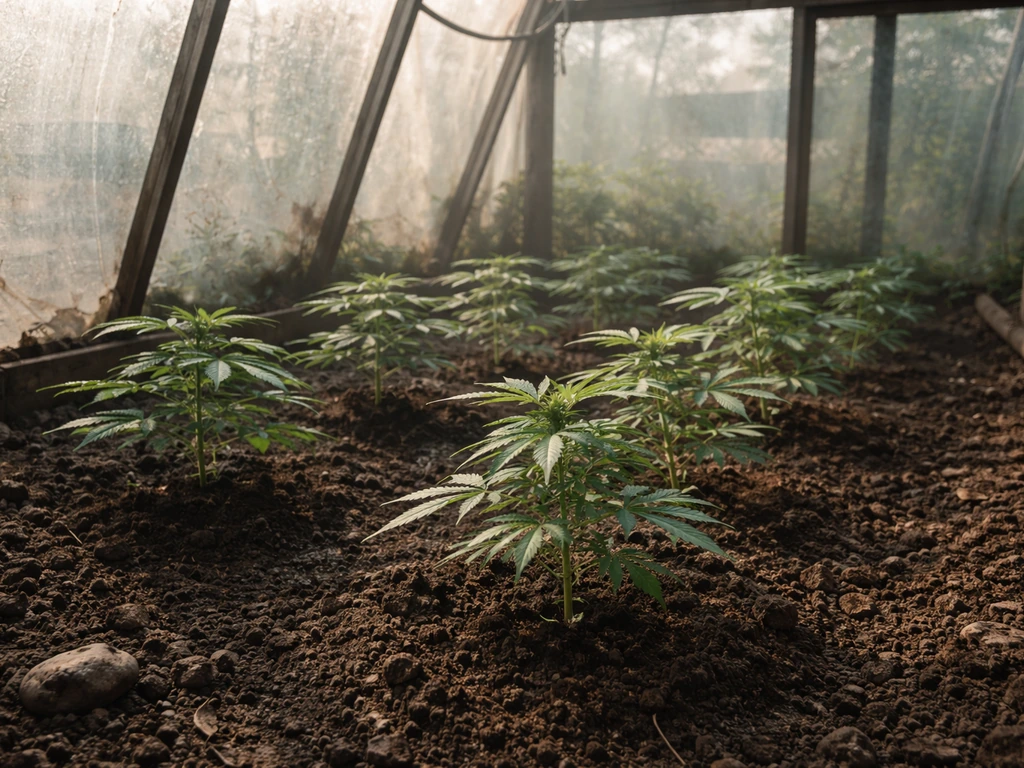
You can absolutely grow what people call 'Zaza weed' at home, but the first thing you need to do is figure out what genetics you actually have. In DayZ, learning the correct steps to grow weed starts with meeting the game requirements and setting up a safe, reliable grow location how to grow weed in DayZ.
How to Grow Zaza Weed: Beginner Step by Step Guide

Marcus Holbrook
28 Jun 2026
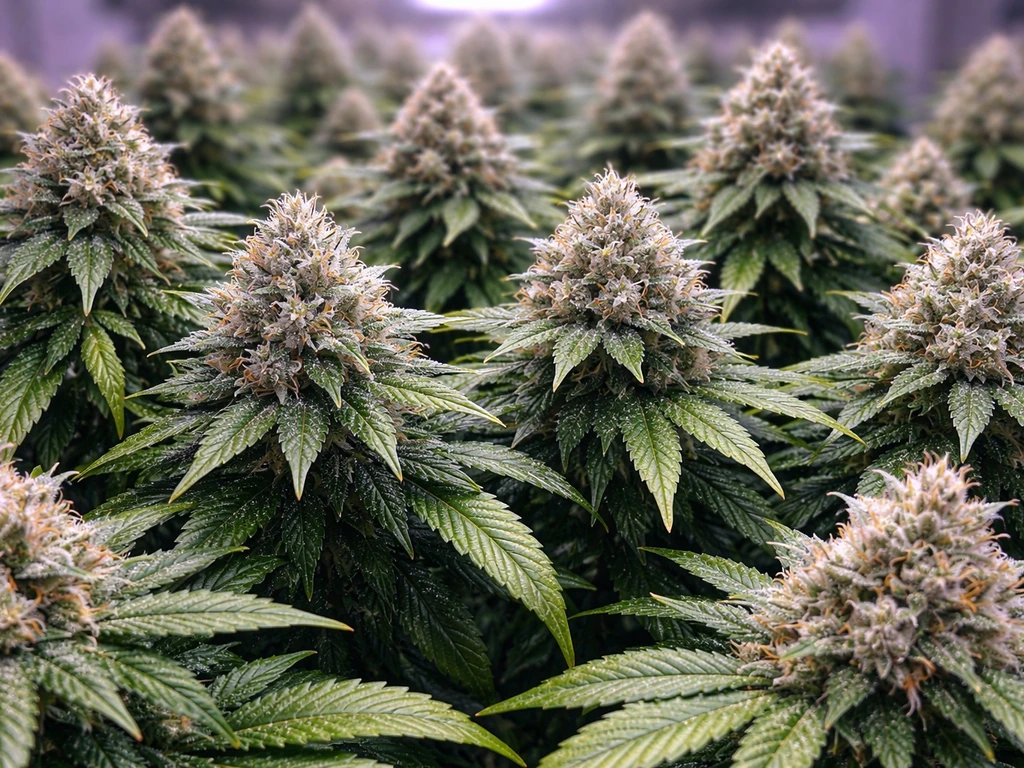
'Zaza' means two different things in cannabis culture: it refers to a specific named strain (Scotts OG x Gas Station Bob, bred by South Bay Genetics, an indica-dominant hybrid running about 70% indica / 30% sativa with THC typically around 19–21%), but it's also widely used as slang for any top-shelf or 'exotic' flower. That confusion matters for growing, because if you don't know the exact genetics you're working with, you can't dial in the right setup.
So before anything else, get the actual strain data from whoever is selling you the seeds or clones.
What 'Zaza' actually means, and why legality comes first
Let's deal with the legal side straight away, because it matters and it's not worth skipping. Cannabis with THC above 0. 3% on a dry weight basis is classified as marijuana and remains a Schedule I controlled substance at the federal level in the United States under the Controlled Substances Act. That means growing it is only legal where your specific state, territory, or country explicitly allows it.
Rules vary enormously: some states allow adults to grow a limited number of plants at home (Ohio, for example, requires cultivation in a secured, enclosed area not visible from public spaces and off-limits to anyone under 21), while others prohibit all home cultivation entirely. Washington State has its own plant limits and authorization framework. Before you germinate a single seed, look up the rules for your jurisdiction specifically.
If you’re in Australia, make sure you follow your state or territory’s cannabis laws before you plan any home growing look up the rules for your jurisdiction specifically. If you're outside the US, check national and local laws. Grow legally, grow responsibly.
On safety: cannabis smoke carries real health risks. The American Lung Association warns that marijuana smoke can harm lung health, and secondhand smoke is a concern for people living with you, especially children, pregnant people, and anyone with respiratory conditions. If you're growing indoors, plan for proper ventilation, not just for your plants but for the people in your home. The CDC and NCCIH both document adverse health outcomes associated with high-potency cannabis, so whatever you grow, use it responsibly and keep it stored securely away from minors.
Back to the strain question: the named Zaza strain (Scotts OG x Gas Station Bob) is a photoperiod indica-dominant hybrid, meaning it flowers based on light schedule changes rather than age. But because 'Zaza' also floats around as a generic term for premium cannabis, someone might hand you seeds or a clone labelled Zaza that has completely different genetics. When you're sourcing, ask your seed bank or clone provider directly: Is this photoperiod or autoflower? What's the expected flowering time? How tall does it get? What's the typical yield? Get those answers in writing if you can. The rest of this guide will assume you're working with a photoperiod plant unless noted otherwise.
Pick your setup: indoor, outdoor, or hydro
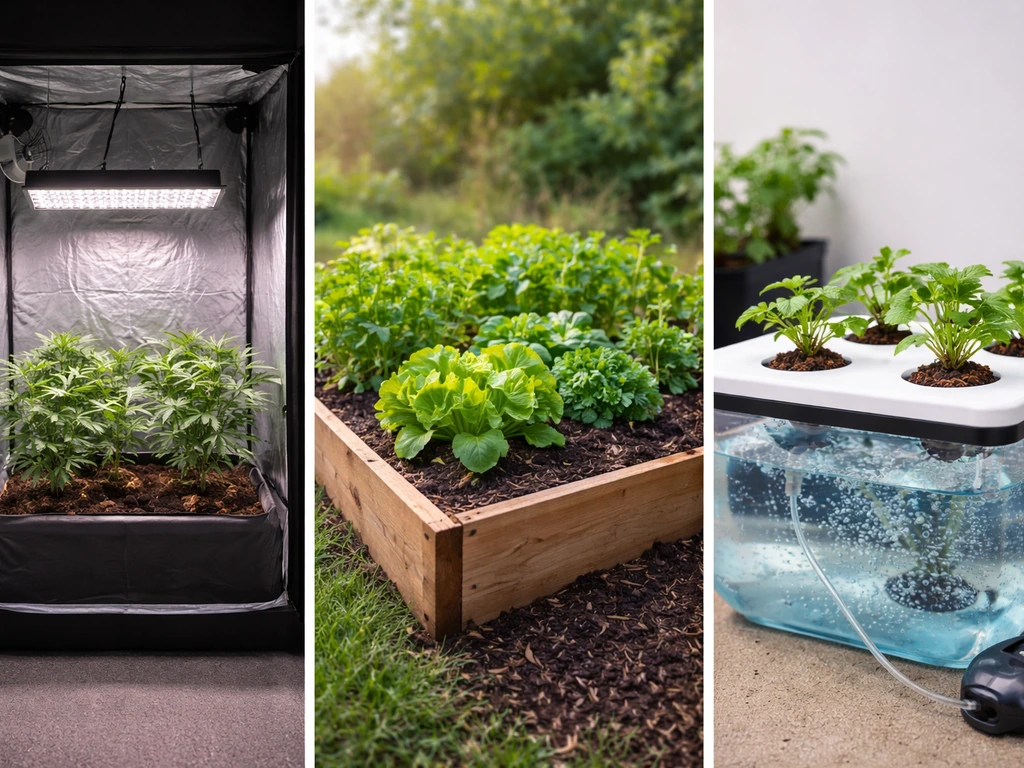
There's no single 'best' way to grow. Each method has real advantages depending on your situation. Here's an honest breakdown to help you choose.
| Method | Best for | Cost to start | Control level | Main challenge |
|---|---|---|---|---|
| Indoor (soil or coco) | Beginners wanting full control year-round | Medium ($300–$800+) | Very high | Upfront equipment cost, electricity |
| Outdoor (soil) | Low-cost growing in legal, warm climates | Low ($50–$150) | Low to medium | Weather, pests, privacy, seasonal limits |
| Hydroponic (DWC or NFT) | Faster growth, experienced beginners | Medium-high ($400–$1000+) | Very high | pH/EC monitoring is unforgiving |
For a true beginner, indoor growing in soil gives you the most forgiveness. Soil buffers pH and nutrient swings better than coco or hydro, and you don't need to monitor EC daily. A simple 2x4 grow tent with a quality LED panel, an inline fan with carbon filter, and a pH meter will get you through a full cycle. Outdoor growing is the cheapest path if you live somewhere warm (ideally 12+ weeks of frost-free weather in your growing season) and your local laws allow visible plant cultivation. Hydroponics produces fast, heavy results but is genuinely less forgiving for beginners. I'd suggest saving hydro for your second or third grow once you understand how cannabis responds to nutrients and environment.
Seeds, clones, germination, and early veg
Feminized vs autoflower: what to choose
The true Zaza strain is a photoperiod feminized plant. Feminized seeds are bred to produce only female plants (the ones that make buds), which eliminates the risk of males pollinating your crop. If someone sells you a Zaza autoflower, that's a cross using autoflowering genetics, not the original South Bay Genetics line, so manage your expectations on effects and growth behavior. Autoflowers run on an internal clock regardless of light schedule, making them faster (seed to harvest in 70–90 days) but with smaller yields and less flexibility. For Zaza specifically, go feminized photoperiod if you can find it from a reputable source.
Germination step by step
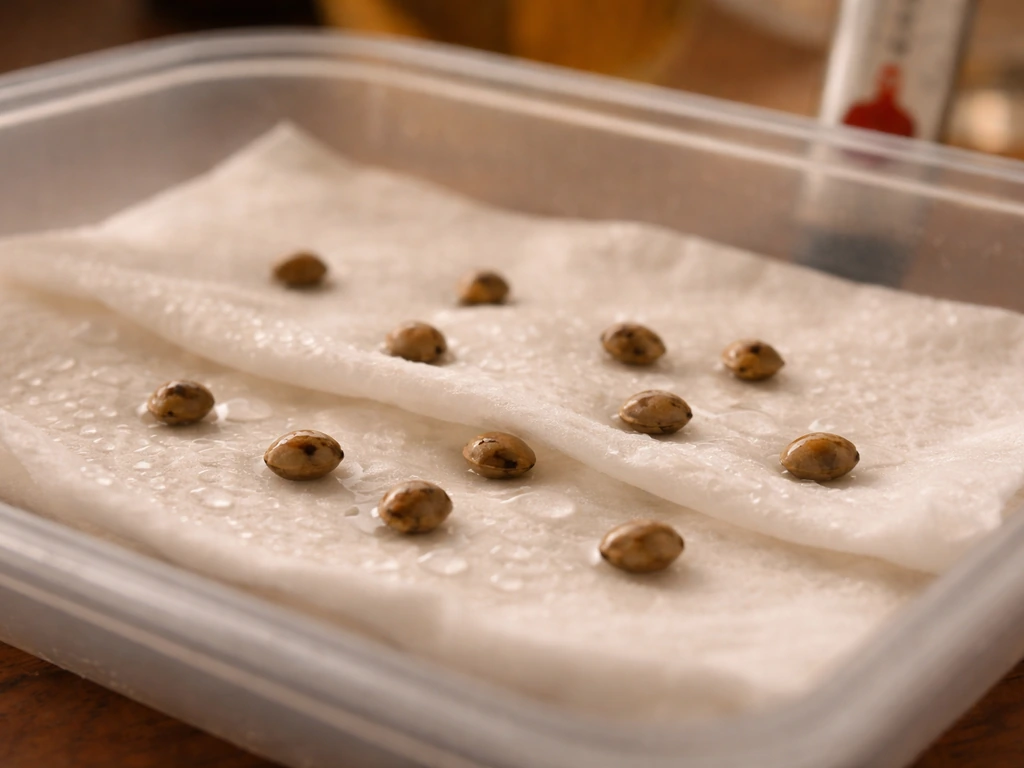
- Soak seeds in a glass of plain water (pH ~6.0) for 12–18 hours. If seeds are older or have hard shells, extend to 24 hours.
- Place seeds between two damp (not soaking wet) paper towels on a plate, fold them over, and keep in a dark spot at 70–85°F (21–29°C).
- Check every 12 hours. Most seeds crack and show a taproot within 24–72 hours.
- When the taproot is 0.5–1 inch long, transfer to your growing medium, taproot pointing down, about 0.5 inches deep.
- Keep humidity high (70–80% RH) and temps at 75–80°F during the seedling stage. A humidity dome over a solo cup works perfectly.
If you're working from clones instead of seeds, your target environment is 65–75% RH and 72–78°F. Clones need to stay humid while they're rooting, usually 7–14 days. Once roots poke out of the plug or you see vigorous new leaf growth, you can drop humidity and treat them like a young plant in veg. Clones save you 2–3 weeks compared to seeds, and since they come from a female mother, you already know the sex.
Vegetative light schedule and PPFD targets
For a photoperiod strain like Zaza, run an 18-hours-on / 6-hours-off light schedule during veg. This long day period keeps the plant in vegetative growth mode indefinitely. Your light intensity target during veg is 400–600 PPFD (micromoles per square meter per second). Seedlings can start lower, around 200–400 PPFD, and ramp up as they develop. Most quality LED panels can be dimmed or raised to hit these numbers without burning young plants. Veg for 4–8 weeks depending on how large you want the plant to get before flowering. A Zaza indica-dominant plant will typically stay medium height, but confirm expected height with your specific seed source.
Growing conditions and your nutrient plan
Environmental targets by stage
| Stage | Temp (°F) | RH target | PPFD target |
|---|---|---|---|
| Seedling | 75–80°F | 70–80% | 200–400 μmol/m²/s |
| Vegetative | 70–85°F | 50–70% | 400–600 μmol/m²/s |
| Flowering (early) | 68–78°F | 40–50% | 600–900 μmol/m²/s |
| Flowering (late) | 65–75°F | 35–45% | 600–800 μmol/m²/s |
Humidity in flowering is critical. Mold (specifically botrytis, or bud rot) is your biggest enemy once you have dense buds developing. Keeping RH between 40–50% during early flower and dropping it toward 35–45% in the final weeks significantly reduces that risk. An inline fan and carbon filter combo does double duty: it controls smell and pulls in fresh air that manages temperature and humidity. Good airflow through the canopy, not just above it, is something beginners underestimate. I learned this the hard way losing a late-flower plant to bud rot that started deep inside a cola I couldn't see.
pH and EC basics by medium
pH controls whether your plant can actually absorb nutrients. Get this wrong and you'll see deficiencies no matter how much you feed. Here are your target ranges by medium:
| Medium | Feed pH target | Runoff/root-zone pH | EC range (mS/cm) |
|---|---|---|---|
| Soil | 6.0–7.0 | 6.0–7.0 | 0.8–2.0 (stage dependent) |
| Coco coir | 5.8–6.2 | 5.5–6.5 | 1.2–2.2 |
| Hydro (DWC/NFT) | 5.5–6.5 | 5.5–6.5 | 1.0–2.5 |
EC (electrical conductivity) measures how strong your nutrient solution is. Start low (around 0.8–1.2 mS/cm) during early veg and ramp up to 1.8–2.2 mS/cm during peak flowering. If your runoff EC is climbing much higher than your input EC, salts are building up in the medium and a flush or feeding adjustment is needed. In coco especially, always pH your water before feeding, every single time. Coco is less forgiving than soil because it doesn't buffer nutrients the way soil does.
Watering fundamentals
Overwatering kills more beginner plants than almost anything else. The rule for soil and coco is: water when the top inch of medium is dry, or lift the pot and water when it feels noticeably lighter. Always water until you get 10–20% runoff out the bottom, which flushes salts and confirms the root zone is fully saturated. In hydro, your reservoir management replaces this cycle, but you still need to check EC and pH daily and top off with pH-corrected water between reservoir changes. Feed schedule specifics will come from your nutrient brand's chart, but always start at half the recommended dose and work up based on how the plant responds.
Flipping to flower: timing, training, and canopy management
When and how to flip
For a photoperiod Zaza plant, you trigger flowering by switching the light schedule to 12 hours on / 12 hours off. Do this when the plant is roughly half the height you want at harvest. Why half? Because most cannabis plants (and especially indica-dominant hybrids like Zaza) will stretch 50–100% in height during the first 2–3 weeks of flowering, called the 'flower stretch.' If you flip at 24 inches, expect the plant to end up somewhere between 36–48 inches. Plan your vertical space accordingly. Make sure your light cycle is perfectly consistent: any light leaks during the dark period can confuse the plant and cause stress or hermaphrodism.
Basic training techniques
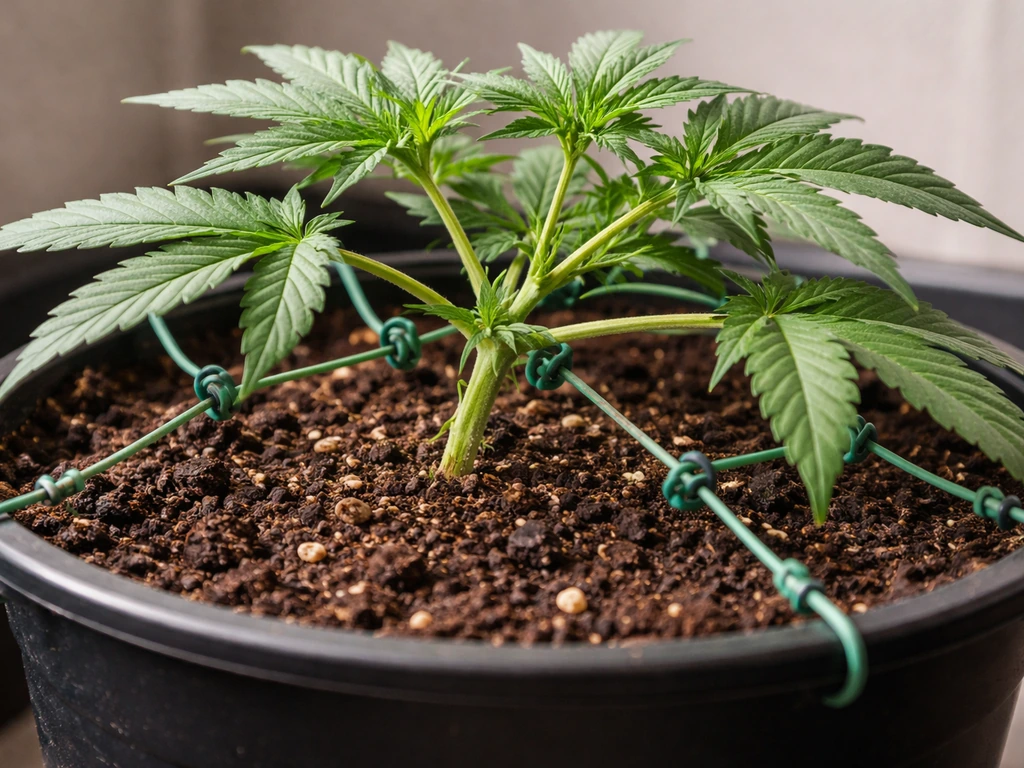
Training your plant improves light penetration and gives you more bud sites, which means better yield. Two methods work well for beginners: Azarius' LST guide describes low stress training as the lowest-risk training method and cautions against forcing a harsh bend, suggesting you tie branches over time and avoid bunching them tightly.
- LST (Low-Stress Training): Bend young branches outward and downward using soft garden wire or plant ties, securing them to the pot rim or a trellis. This creates a flatter, wider canopy where more branches get direct light. LST is the safest technique for beginners and can be used on both photoperiod and autoflower plants. Bend gradually over time, never force a harsh snap.
- Topping: Cut the main stem just above a node to split one main cola into two. This creates a more even canopy and reduces height. Topping works well on photoperiod plants but should not be used on autoflowers, since the recovery time eats into their fixed lifecycle. Only top during veg, not after you've flipped to flower.
- Defoliation: Removing large fan leaves that block light from bud sites below. Do this conservatively, taking no more than 20–30% of leaves at a time during early flower. Don't strip the plant bare.
Supporting buds as they develop
Dense indica buds can get heavy enough to bend or snap branches. Use bamboo stakes or a trellis net (SCROG) to support branches from week 3 of flower onward. Keep your light intensity in the 600–900 PPFD range through peak flowering, pulling back slightly toward 600–800 in the last 1–2 weeks. Bump your EC up to around 1.8–2.2 mS/cm during peak flower and then taper off in the final week or two, flushing with plain pH-corrected water if you're growing in coco or hydro to clear residual salts before harvest.
Harvest, drying, curing, and quality checks
When to harvest
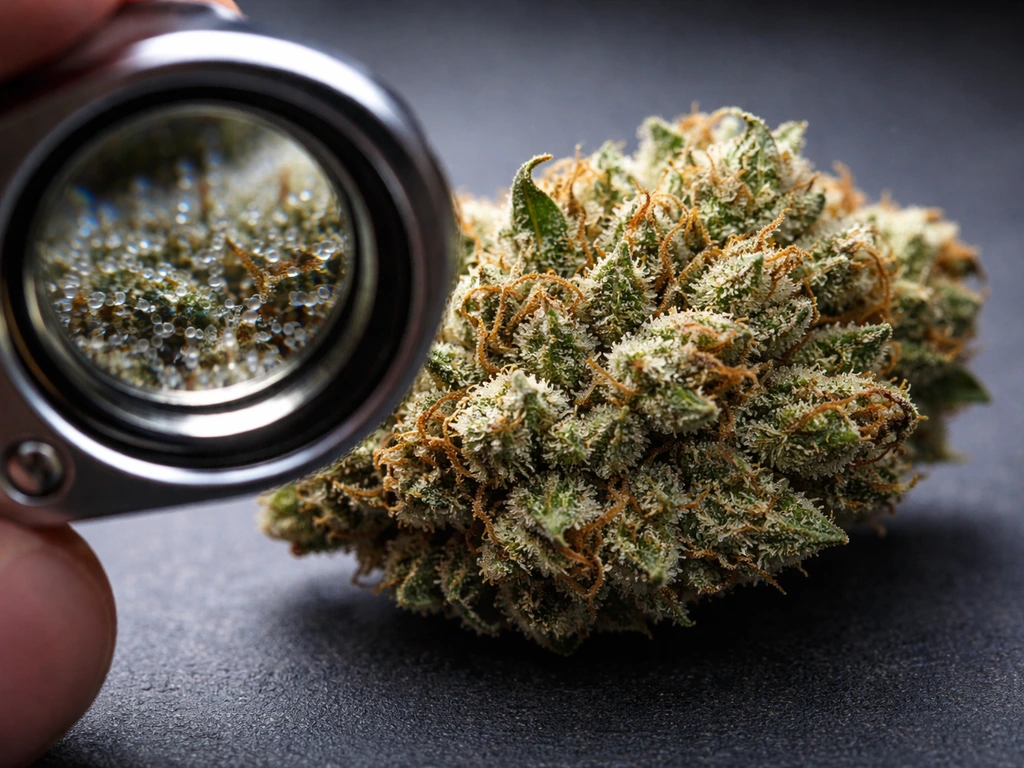
The most reliable harvest indicator is trichome color, checked with a jeweler's loupe (30–60x) or a digital microscope. Trichomes go from clear (too early) to milky/cloudy (peak THC) to amber (THC degrading into CBN, more sedative effect). For Zaza's indica-heavy profile, harvesting when most trichomes are milky with 10–20% showing amber is a good target. You can also watch the pistils (the little hairs on buds): when 70–90% have darkened and curled in, you're in the harvest window. Most indica-dominant photoperiod plants finish flowering in 8–10 weeks. Zaza's parentage (Scotts OG x Gas Station Bob) leans toward the 8–9 week range, but confirm with your specific seed source.
Drying your harvest
- Hang whole branches or trimmed buds upside down in a dark, well-ventilated room. Temperature should be 60–70°F and RH 45–55%.
- Maintain gentle airflow (a small fan circulating air in the room, not blowing directly on buds).
- Dry for 7–14 days. Buds are ready to jar when small stems snap rather than bend and the outside feels dry but not crispy.
- If you dry too fast (below 45% RH or above 70°F), terpenes degrade and you lose flavor. Slow and steady wins here.
Curing for quality
Curing transforms adequately dried buds into genuinely excellent flower. Pack loosely trimmed buds into sealed glass jars, filling each about 75% full. For the first 1–2 weeks, 'burp' the jars daily: open each jar for 15–30 minutes to release moisture and exchange air. The goal is to stabilize jar humidity at 60–63% RH.
If you have a hygrometer that fits in a jar (Boveda and Integra make small ones), use it. If jar RH is above 68%, leave the lid off for a few hours before resealing. If the buds smell like ammonia when you open the jar, they weren't dry enough before jarring and anaerobic bacteria are active: spread the buds out, dry more, and re-jar. Mold risk spikes above 65% RH inside the jar.
The ASTM standard for cannabis water activity targets 0.55–0.65 aw for safe, shelf-stable flower. You don't need a water activity meter as a home grower, but the underlying principle is the same as what your hygrometer tells you: too wet invites mold and bacteria, too dry destroys terpenes. After 2–4 weeks of curing you'll notice a marked improvement in smell and smoothness. Most premium-quality Zaza sits in jars for at least 4 weeks before it hits its peak. For ongoing storage after curing, 62% RH packs (Boveda or similar) inside sealed jars in a cool, dark place keep buds in ideal condition for months.
Quick quality checks before you're done
- Smell: Properly cured Zaza should have a pronounced terpene profile reflecting its OG lineage. No ammonia smell, no hay smell (hay = dried too fast), no mold/mildew odor.
- Visual: Dense trichome coverage, orange-to-rust pistils, no visible mold spots (white fuzz, grey patches). Indica-dominant buds from Zaza genetics should be compact and resinous.
- Burn: A clean white-to-light-grey ash in a bowl or joint means nutrients were flushed properly. Black, harsh ash suggests residual salts.
- Texture: Buds should spring back slightly when gently squeezed, not crumble to powder (too dry) or stay compressed (too wet).
- Storage: Keep in sealed glass jars, away from heat, light, and minors. Label with strain, harvest date, and cure start date.
A few final things worth knowing
Pest management is part of every grow. If you need to treat for pests, use only products that are legally registered for use on cannabis or food crops in your area. The EPA is clear that pesticides must be registered and used according to label directions. Avoid unregistered pesticides entirely, both for your safety and the quality of what you're consuming. Integrated pest management (keeping a clean grow room, inspecting plants regularly, using beneficial insects like ladybugs for aphids) is a better long-term strategy than waiting for an infestation and reaching for chemicals.
If you're interested in other cannabis cultivation paths, the same core principles in this guide apply whether you're growing specific named strains, working with seed sources from different communities (like those discussed in seed-sharing forums), or adapting these techniques to different climates and legal environments. The fundamentals of pH, light, humidity, and nutrient balance don't change between strains; only the specific targets and timing shift based on genetics. Whatever Zaza genetics you end up with, verify the growth traits at the source, build your environment around those specs, and you'll have a strong foundation for every grow after this one. If you specifically mean how to grow weed cheese, the same fundamentals here apply, but you should double-check the genetics, flowering time, and target conditions for that exact strain.
FAQ
If someone says their “Zaza” seeds are the real Scotts OG x Gas Station Bob, how can I verify what I’m actually getting before I grow?
Ask for the exact breeder and line information (parentage, whether it is feminized photoperiod or autoflower), plus the claimed flowering time and expected height. If they cannot provide those traits up front, treat it as a generic “Zaza” label and plan for unknown stretch and yield, rather than assuming the guide’s timing will match.
What should I do if my plant starts showing pre-flowers early, before I’m ready to flip to 12/12?
Do not force-flower by changing the light again and again. For photoperiod plants, early pre-flowers usually happen due to stress (light leaks, inconsistent schedule) or running too long under uneven conditions. Keep the veg schedule consistent (18/6 or your chosen veg) and eliminate any light interruptions during the dark period.
Can I grow Zaza in a small space like a closet without a full tent?
Yes, but you need equivalent control of light leaks and airflow. The critical constraints are uninterrupted dark hours, temperature stability, and enough ducting or internal circulation to prevent humidity pockets. If you cannot run an inline fan with carbon filtration, you may still grow, but you should expect odor control to be the limiting factor.
How do I tell whether my problem is pH/EC, overwatering, or nutrient burn during early veg?
Check timing and runoff. Overwatering typically causes droop plus consistently wet medium and delayed recovery, nutrient burn often shows “crispy” leaf tips shortly after feeding and with higher EC in runoff, and pH issues usually show deficiencies that worsen even when you feed lightly. Measure pH and EC of input and runoff, then adjust only one variable at a time for 3 to 5 days.
Do I need to flush before harvest, and does it matter for coco or hydro?
Flushing is not about “making it clean” so much as managing salt buildup. If your runoff EC has been climbing above your input, a short period of plain, pH-corrected water or a reduced-nutrient taper can help stabilize the root zone. In soil, some growers skip it, but in coco or hydro you should be more deliberate because residue accumulates faster.
How can I reduce bud rot risk beyond just lowering humidity?
Humidity targets help, but airflow and bud structure matter just as much. Use gentle defoliation only if needed for ventilation, avoid stacking dense colas tightly together, and keep the canopy evenly lit. Also inspect inside thick buds weekly with a flashlight, because rot often starts where airflow is worst.
What’s a practical way to confirm I’m actually in the harvest window if pistils and trichomes disagree?
Use trichomes as the tie-breaker, and sample multiple bud sites (top, middle, bottom). If most trichomes are mostly milky with some amber but pistils still look mostly white, you are usually close but slightly early, adjust harvesting by trichome majority rather than relying on a single cola’s pistils.
How long should I dry, and what if my buds dry too fast?
Aim for a steady dry that maintains terpenes, not a quick “crisp” dry. If your buds feel dry and brittle within a couple days, you likely dried too fast, which can mute aroma and harshen smoke. In that case, curing will not fully fix it, so slow the next run by lowering airflow intensity and improving humidity control in the drying area.
Do I need a jar hygrometer, or can I do curing without one?
A jar hygrometer makes it much easier to hit stable RH, especially if your indoor humidity swings. Without one, rely on jar behavior and careful technique: burp consistently early in curing, and if you see RH staying high (condensation, persistent damp smell), extend drying before resealing rather than repeatedly “hoping it will work out.”
How should I store jars long-term to keep Zaza tasting fresh months later?
After the initial cure, keep jars sealed, store in a cool, dark location, and avoid frequent temperature cycling (like near windows or heat sources). If you notice odor fade or the jar feels dry quickly, add fresh humidity packs rather than over-drying, because repeatedly opening jars can reintroduce moisture and oxygen.
What pest issues are most common late in flower, and what can I do without ruining the harvest?
Late-flower pests can include mites and fungus-related problems worsened by dampness and poor airflow. Avoid last-minute chemical treatments unless they are specifically labeled for cannabis and appropriate for the harvest timing. The safer first steps are targeted removal of affected leaves, improved ventilation, and addressing the environmental cause (humidity and airflow) before trying any product.
Next Article
How to Grow Weed in DayZ: Seeds, Planting, Care, Harvest
Learn the real in-game steps to grow weed from seeds in DayZ, with planting, care, harvest, and troubleshooting.